Last updated November 17, 2026
 Sliding glass doors
 Single hung
 Double hung
 Horizontal roller
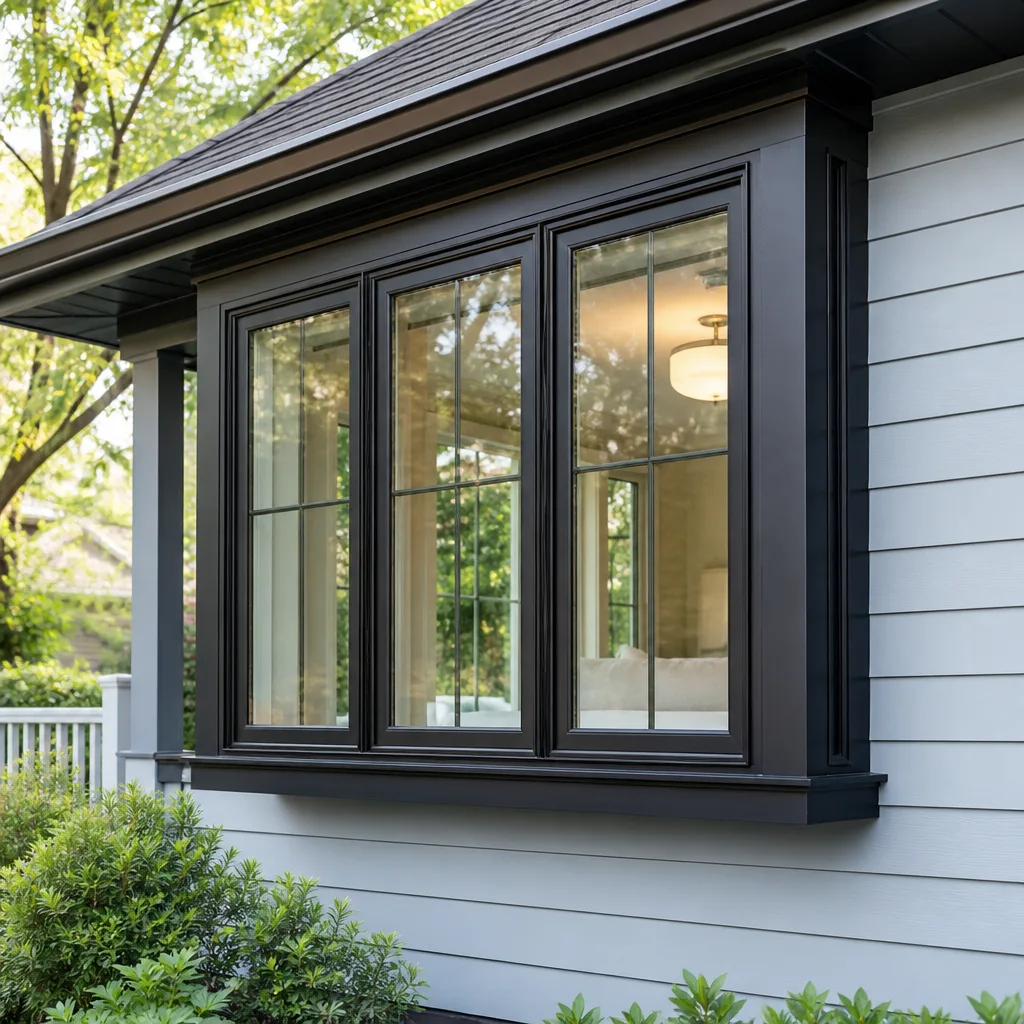 Casement
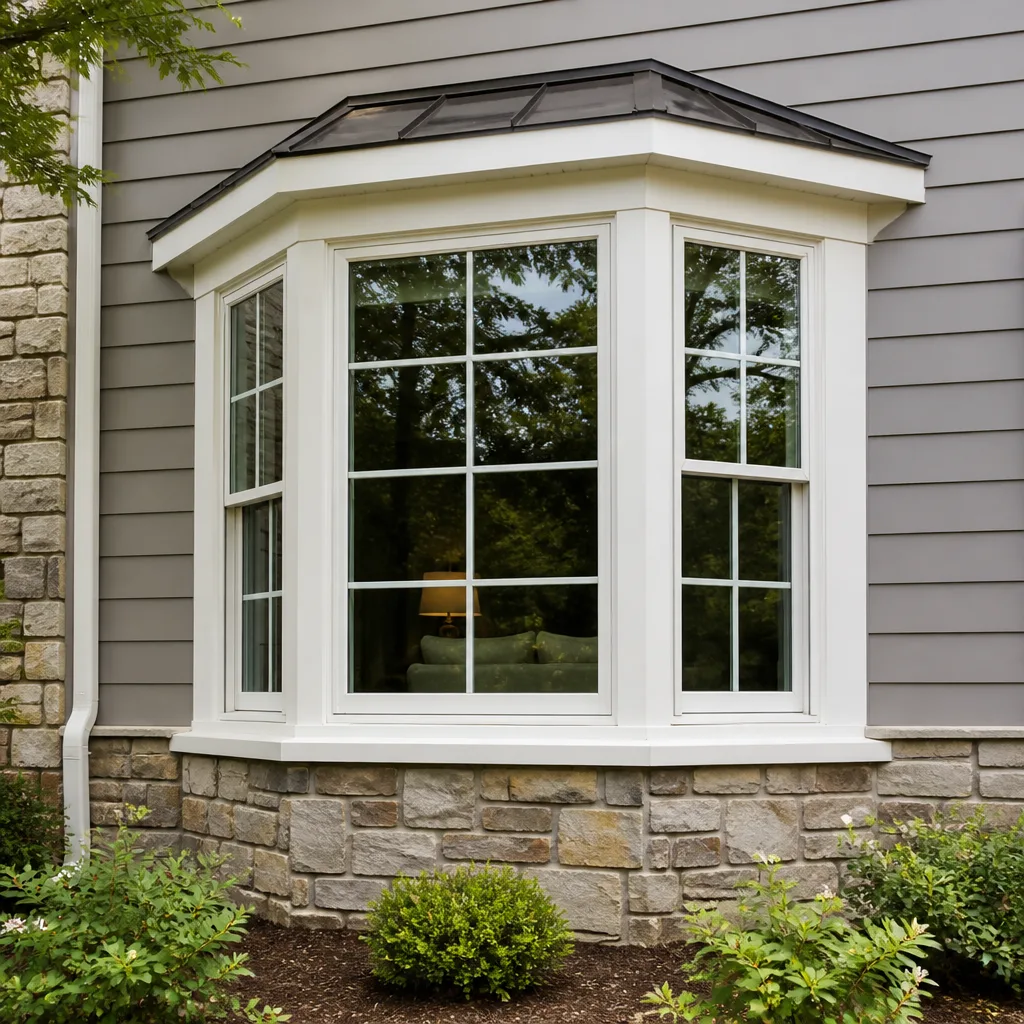 Bay & bow
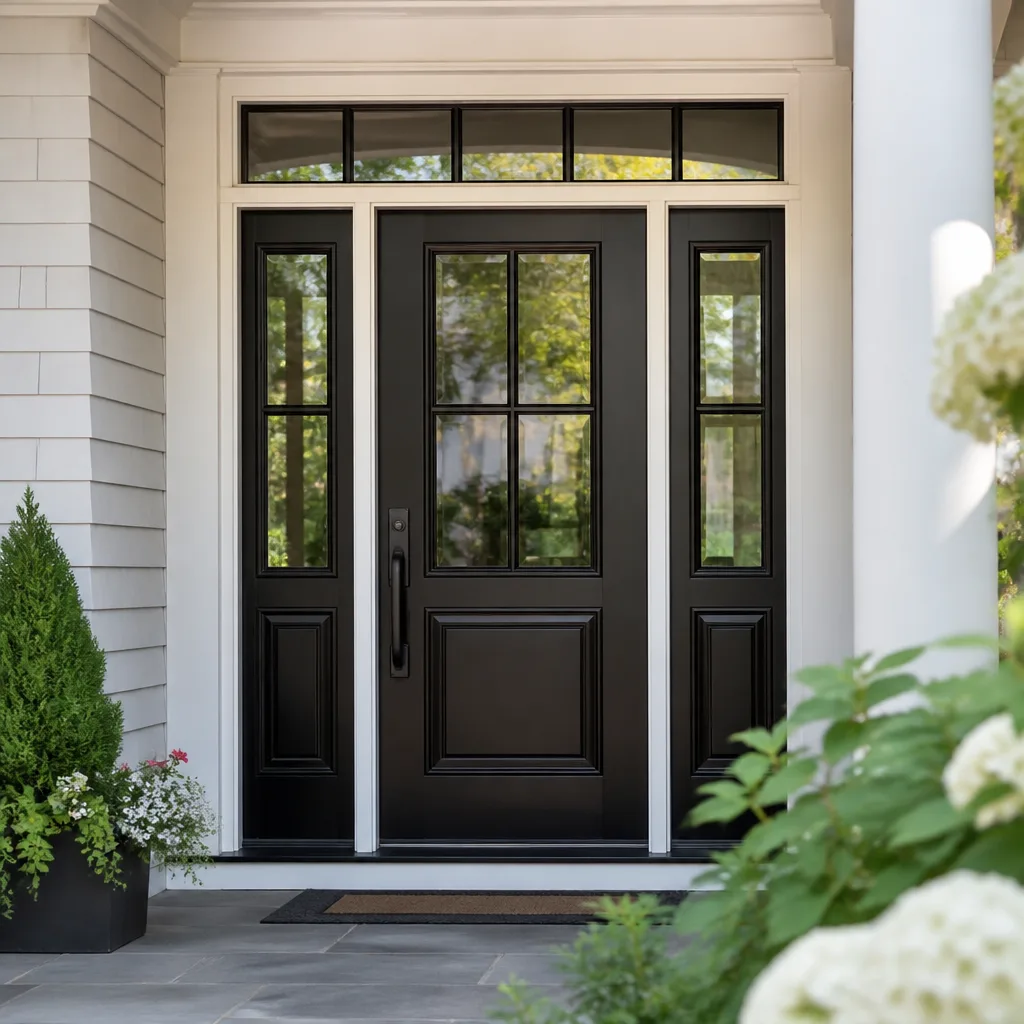 Entry doors
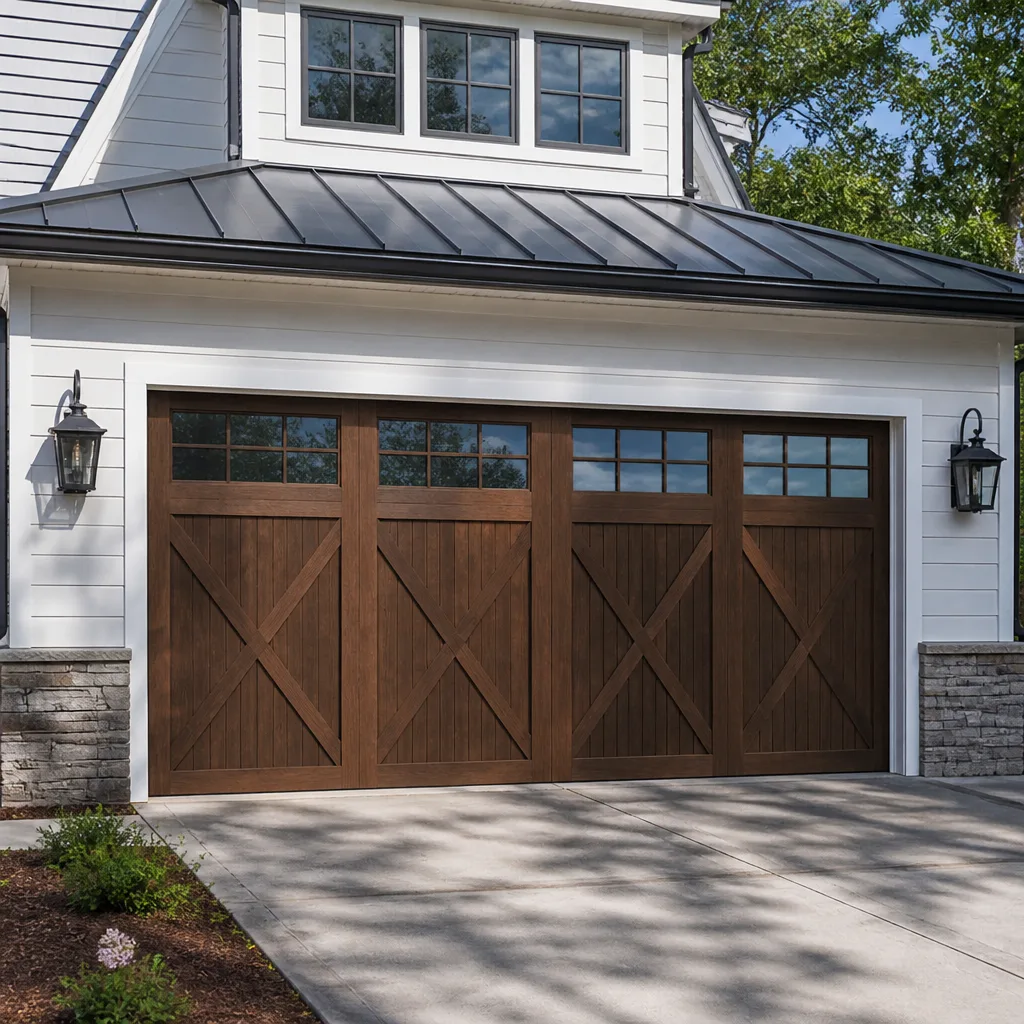 Impact garage doors
 PGT
 CGI
Free in-home measure and quote - PGT, CGI and CWS impact lines compared on your actual openings, style by style
Get your free estimateWindows & Doors Warning Signs: A Summerlin Homeowner’s Reference Guide
A window that makes a soft popping sound on a hot afternoon isn’t just annoying. It’s the frame and glass expanding at different rates, a sign the original installation tolerances were too tight for Nevada’s thermal range. Most Summerlin homeowners catch a failed window seal only after the fogging becomes obvious. By then the desiccant is saturated and the unit is beyond saving. But the desert climate produces earlier, subtler warning signs. Caught at the right stage, some of them still allow for repair rather than full replacement. This guide walks through what to look for, in what order, and what each sign actually tells you about your windows and doors in Summerlin.
Quick Answer
The earliest warning signs of window and door trouble in Summerlin are popping or clicking sounds in the frame, condensation between panes before visible fogging, hairline stucco cracks radiating from window corners, and doors that stick only in summer but clear in winter. Each of these points to a different root cause – thermal stress, a compromised IGU seal, flashing failure, or slab movement – and the distinction determines whether you’re looking at a repair, a reseal, or full replacement.
Styles & brands we work with
- Single hung
- Double hung
- Horizontal roller
- Casement
- Bay & bow
- Sliding glass doors
- Entry doors
- Impact garage doors
- PGT
- CGI
Table of Contents
- The IGU Seal Failure Sequence in a Hot Climate
- Stucco Cracks at Window Corners: Cosmetic vs. Structural
- Door Alignment: Summer Stick vs. Year-Round Stick
- Reading Condensation Patterns on Interior Glass
- Installation Defects vs. Product Defects
- Popping, Clicking, and Creaking Frames
- Glass, Hardware, and Weatherstripping Warning Signs
- A Room-by-Room Walkthrough You Can Do This Week
The IGU Seal Failure Sequence in a Hot Climate
An insulated glass unit fails in a predictable order in Summerlin’s climate, and fogging is actually the late stage. Here’s the sequence most homeowners miss:
- Thermal pumping begins. The sealed cavity between panes expands and contracts with daily temperature swings. In summer, exterior glass can get hot enough to stress the perimeter seal far more than in a mild climate.
- The perimeter seal degrades at one corner first. Moisture vapor begins entering the cavity through that single weak point. Nothing is visible yet.
- Desiccant saturation. The drying agent inside the spacer absorbs moisture until it can’t absorb any more.
- Haze or a faint “dirty” look on the inside of the glass. This is the stage most Summerlin homeowners misdiagnose as a cleaning problem. You cannot clean it, because the film is inside the sealed cavity.
- Visible fogging or water droplets. The unit has failed completely. Replacement is the only fix.
The operational takeaway: if you see haze between panes, you’ve caught it after the seal has already failed but likely before moisture has caused permanent staining or a full double-image distortion. At that stage you still have time to compare products rather than rush a decision. That’s when a specialist’s brand range matters. We carry impact-rated and energy-efficient IGU options across multiple manufacturers, so you compare performance instead of being handed the one unit a general contractor happens to stock.
If a pane has fogged or hazed, the fix is a window replacement of the affected unit, not a cleaning or a reseal of the existing glass. We tell Summerlin homeowners this plainly because seal repairs on a failed IGU rarely hold.
Stucco Cracks at Window Corners: Cosmetic vs. Structural
Not every crack near a window is a problem. Summerlin homes sit on expansive desert soils, and some hairline cracking is normal settling. The distinction matters because the wrong diagnosis sends you either into an expensive repair you didn’t need or past a real flashing failure.
Cosmetic settling cracks
- Hairline, under roughly the width of a credit card.
- Run vertically or diagonally away from the corner and stop within a foot or two.
- Don’t change width with the seasons.
- Show no staining, no bubbling, no soft stucco around them.
Warning-sign cracks
- Radiate diagonally out from the top or bottom corners of a window opening in a matching pattern on more than one window.
- Widen noticeably in summer heat and narrow in cooler months. That’s thermal movement transferring into the wall, often from tight installation tolerances or a frame that’s shifting in its opening.
- Show water staining, efflorescence, or bubbling stucco alongside the crack, which points to flashing failure allowing moisture behind the wall.
- Step horizontally along a mortar joint above the window, which can indicate a header or lintel issue.
A flashing or frame-shift problem is not a window swap alone. It’s a proper diagnostic first, then a fix that addresses both the opening and the water management. This is one reason a trade specialist is worth the call. Summerlin Windows & Doors handles windows and doors only, so the diagnostic conversation stays focused on the opening rather than pulling in a general remodeler who may or may not read the flashing correctly.
If a crack is wet, stained, or moving with the seasons, treat it as a warning sign. Get it looked at before the next summer heat cycle.
Door Alignment: Summer Stick vs. Year-Round Stick
A door that sticks in summer but clears in winter is a different problem than one that sticks all year. The first is thermal and moisture movement in the frame or slab. The second is hardware, settling, or a hinge issue that’s been building for a while.
Summer-only sticking
When a door swells or drags against the jamb only during the hot months, the likely culprits are:
- Wood-framed doors absorbing seasonal humidity swings, even in a desert climate, because interior moisture sources like showers and evaporative coolers vary season to season.
- A steel or fiberglass frame expanding at a different rate than the slab. This is normal, but if the sticking causes actual scraping, the rough opening tolerances may have been set too tight at installation.
- Settling in the threshold or slab under a heavy entry door, particularly if the same door made no contact in cooler weather a season or two ago.
Year-round sticking
If the door drags all year, thermal movement isn’t the cause. Look at:
- Hinge wear or loosened screws.
- A slab that was never properly sized or sealed at installation.
- Sagging framing from foundation movement.
- Warped slab or frame from water intrusion.
The distinction determines what you’re fixing. A seasonal stick can often be corrected with hardware adjustment, weatherstripping, or a proper rehang. An all-year stick can signal a slab replacement or a framing issue that needs attention from the threshold up. When replacement is the answer, a fiberglass or steel entry from Therma-Tru is one of the most durable choices for a Summerlin home facing this kind of thermal cycling, and it pairs naturally with a window project if you’re replacing both at once. From the frame to the slab, your home’s openings, handled completely.
Reading Condensation Patterns on Interior Glass
The layer the condensation appears on tells you which failure you’re dealing with. This is one of the most useful diagnostics and one that almost no homeowner applies.
- On the room-side surface of the inner pane: interior humidity is high. That’s an airtightness or ventilation issue, not necessarily a window failure. Check bath and kitchen exhaust first.
- Between the panes: the IGU seal has failed. No amount of dehumidifying or cleaning will remove it. This is a replacement.
- On the exterior surface of the outer pane in early morning: the unit is holding its seal well and the outer glass is doing its job. This is normal and not a sign of failure.
- On the exterior face on a triple pane: the outer pane behaves like a single sheet of insulated glass. Brief condensation is expected in a desert morning temperature swing, but persistent wetness across the whole surface points to a different issue.
In Summerlin, the humidity range swings from single digits to monsoon-season moisture, so intermittent condensation on the exterior is normal. Persistent interior or between-pane condensation is not. Take a photo at the same time each morning for two weeks before calling. That record tells any specialist more than a description over the phone ever could, and it helps separate a real failure from a ventilation fix.
Installation Defects vs. Product Defects
This distinction determines who pays for the fix, and it’s the reason a proper diagnostic comes before a quote. The two categories look similar to a homeowner but lead to different remedies.
Signs of an installation defect
- Fogging appears in one unit only, in a matched set installed at the same time.
- Popping or clicking sounds start within the first summer after installation.
- Stucco cracks radiate from the corners of the new window only, while neighboring original windows show none.
- Doors stick or rub only in the units that were replaced, not the ones that weren’t.
- Water staining or efflorescence at a freshly installed window.
Signs of a product defect
- Fogging in a random pattern across multiple units installed at different times.
- Hardware failure on a door with no visible signs of installation damage or misalignment.
- Haze or chemical film on the interior surface of the glass with no seal breach pattern.
- A door slab that warps or delaminates uniformly with no frame-movement evidence around it.
- Consistent weatherstripping failure across a matched set from the same manufacturer batch.
Installation defects typically fall on the installer’s workmanship warranty. Product defects fall on the manufacturer’s warranty. The single best protection is a written, itemized quote at the start that names both the products and the installation scope, and a photograph record before, during, and after the work. Keep the original quote and the warranty cards. If you didn’t get them, ask now. When it’s time to compare, the fact that Summerlin Windows & Doors carries PGT, CGI, CWS, ES Windows, ECO Window Systems, Mr-Glass, Therma-Tru, and ViewLux means the conversation isn’t steered toward one supplier’s warranty. Recommendations come from your performance and budget needs, not a single-source relationship.
If you’re facing a repair decision and want the sequence laid out for your specific openings, a free estimate in Summerlin will do more than any phone conversation. Call (844) 797-6754 to schedule it.
Popping, Clicking, and Creaking Frames
Popping or clicking in a window frame during a Summerlin heat wave is usually thermal movement. Frame and glass expand at different rates, and when the rough opening was cut too tight at installation, there’s nowhere for that movement to go. The result is a pop, a click, or a creak at the moment the frame contacts the framing. It sounds like the glass is cracking. It isn’t, but it’s a warning sign.
What to listen for
- Popping on the hottest afternoons only. Thermal movement. Often tolerances. Usually the least urgent but worth documenting for warranty.
- Popping year-round, especially at sunrise and sunset. The frame is likely moving in its opening. That can mean a fastening or shimming issue, which needs more investigation.
- Creaking that follows interior door openings and closings. The wall assembly may be moving more than the frame can tolerate. This can indicate a header or framing issue above the window.
- Clicking followed by visible cracking or a widening stucco crack. This is a change that needs a professional look within the week.
None of these sounds are emergencies. All of them are useful data. Start a log with the date, time of day, outdoor temperature, and which window made the sound. A specialist can compare that log against the installation details and give you a real answer on whether this is tolerance, hardware, or framing.
Glass, Hardware, and Weatherstripping Warning Signs
Not every warning sign is thermal. Some of the earliest indicators come from the hardware and seals, and they’re easy to check yourself.
Glass warning signs
- Small chips or “bullseyes” within a few inches of the frame edge, which will stress faster in summer heat and can grow into a crack across the pane.
- Scratches on an impact-rated exterior pane, which can compromise the laminate’s ability to hold the unit together on impact.
- Distortion looking through the pane, which can indicate stress at the spacer or a bad seal.
- Any existing crack that isn’t already extending, which on a summer day in Summerlin can grow dramatically between morning and afternoon. Don’t wait on a cracked window in July.
Hardware and weatherstripping warning signs
- Weatherstripping that’s compressed flat, hardened, or peeling. In a desert climate it dries and shrinks faster than in a humid one.
- Locking handles that need extra force, or a slider that won’t latch in one position.
- Rollers on sliding doors that jump or drag, especially at the end of the track.
- A door sweep that stops sealing, letting hot air and dust into the home. That’s an energy cost with a fix that’s usually simpler than replacing the door.
- Hinge screws that back out of their holes or spin without biting. This is often the first sign of a heavier entry door that needs a longer screw and shim.
Some of these are five-minute adjustments. Others need a new slab, new hardware, or a replacement window. A free estimate tells you which, and it comes with a written, itemized quote. That’s the difference between guessing and knowing whether you need a $50 fix or a full unit swap.
A Room-by-Room Walkthrough You Can Do This Week
Spend twenty minutes on each room in your Summerlin home and you’ll build a full picture across every opening. Do it on a hot afternoon so the thermal signs are active, and again on a cooler morning so you can compare.
- Walk each room and mark each opening on a notepad. One line per window and door.
- Look at the glass first. Check for haze, fogging, or droplets between the panes. Look from an angle, not straight on.
- Check the perimeter. Look for stucco cracks radiating from the corners, water staining, efflorescence, and soft or bubbling stucco near the sill.
- Test the operation. Open, close, and latch each window and door. Note any drag, pop, or resistance. For sliding doors, test the roller at both ends of the track.
- Test the seal. Slide a piece of paper between the sash and frame at four points. If it pulls out freely, the weatherstripping has failed at that spot.
- Note the condensation. Check the glass soon after waking, before the interior dries out. Note which side of the pane fogs first.
- Photograph everything. Same time of day, same lighting. Date the photos. If you ever need warranty or a professional opinion, this record is the fastest path to an accurate answer.
You now have a map of which openings need attention and in what order. Most Summerlin homes will have two or three problem openings and a few that need nothing at all. That’s normal. The point isn’t to find fault with every window. It’s to separate the units that need real work from the ones that just need a $20 weatherstrip swap. If a homeowner is planning a window installation anyway, this same walkthrough is where that project starts, because it tells you which openings are worth upgrading and which can wait.
Common Mistakes to Avoid
- Treating fogging as a cleaning problem. By the time you can see it, the desiccant is saturated and the IGU has already failed. Cleaning the glass won’t help and wastes the cooling-season window when it’s easier to plan a replacement.
- Assuming every stucco crack is settlement. Cracks that radiate from window corners in a matching pattern across multiple openings, or that widen in summer, often point to a frame-tolerance or flashing issue. A general handyman who patches the stucco without investigating the opening is a missed diagnosis, not a fix.
- Ignoring summer-only door sticking. It’s tempting to live with a summer drag. Over multiple seasons, the same doors often begin to wear the finish off the jamb and eventually lose their latch alignment entirely. Address the adjustment before it becomes a replacement.
- Assuming a quoted “same brand” match solves everything. Two units from the same manufacturer can perform very differently depending on installation tolerances, expansion allowance, and shimming. Ask for the installation scope in writing, not just the product line.
- Replacing one unit in a matched set when the seal failure pattern points to a shared installation problem. If three of six matched windows have failed, the remaining three are likely on the same curve. Planning together is more efficient than calling out three times.
- Buying from a single-brand contractor when you’re comparing impact-rated performance. Impact-rated options from multiple manufacturers let you compare performance specs and not just price. A specialist should show you both, not steer you to the only product they can install.
- Waiting until a crack through a summer-heated pane is already half an inch long. In Summerlin, a chip can become a full crack in one hot afternoon. On a cracked window, call the same week. On a fogged unit, you have more planning time.
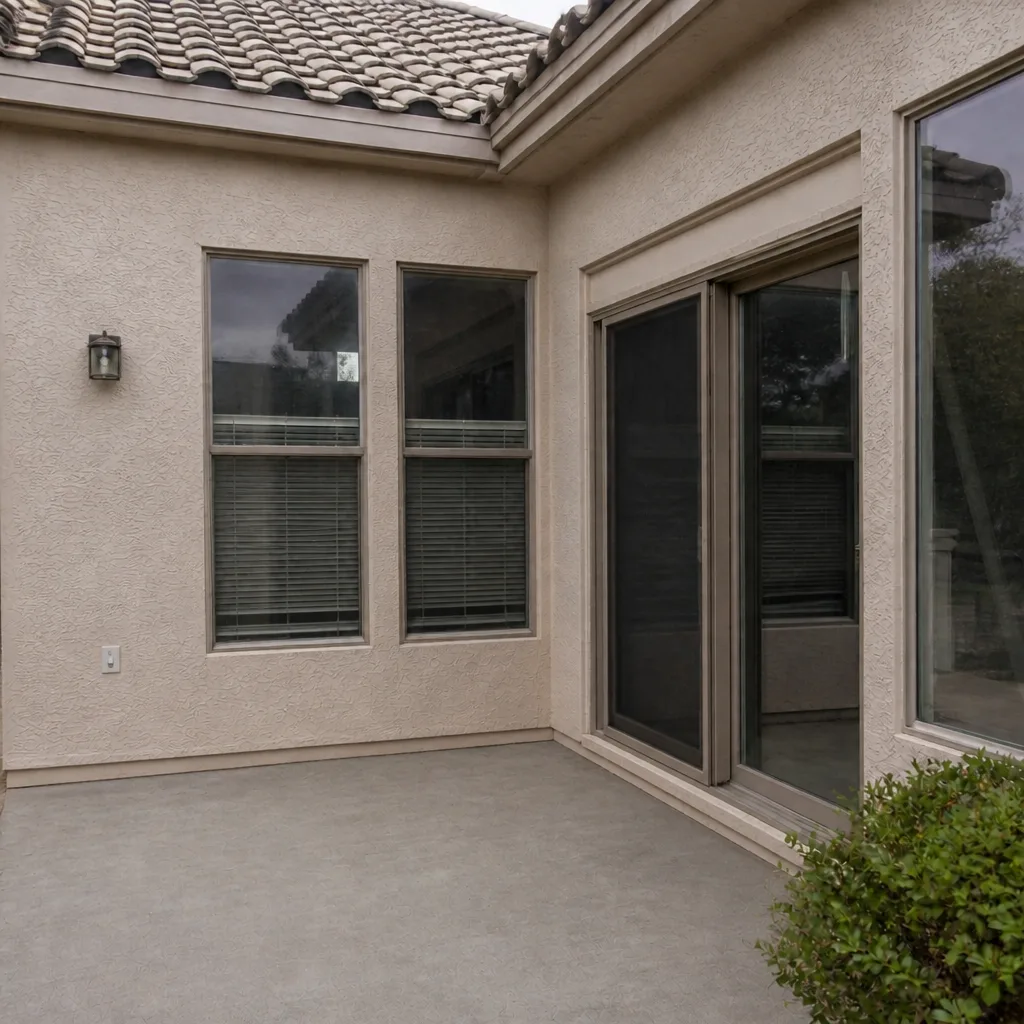
See the difference
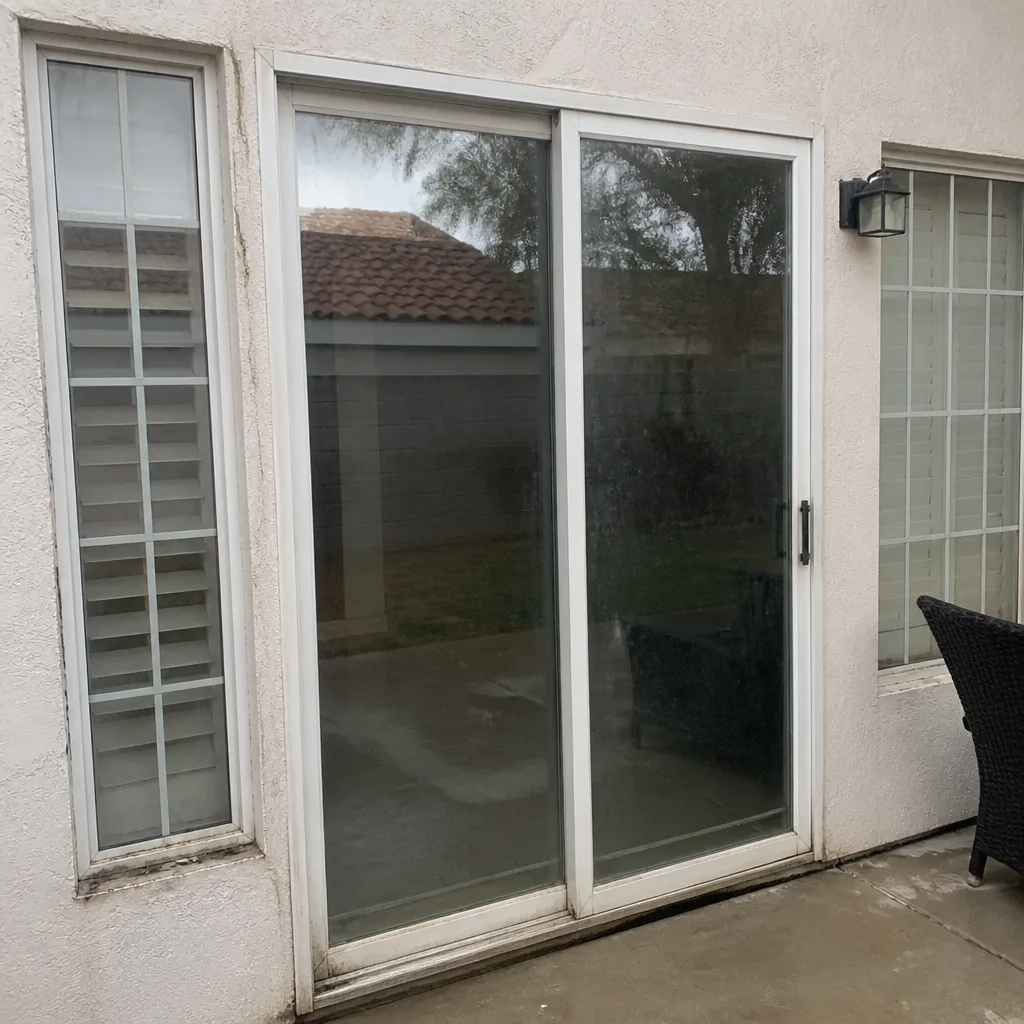 Before
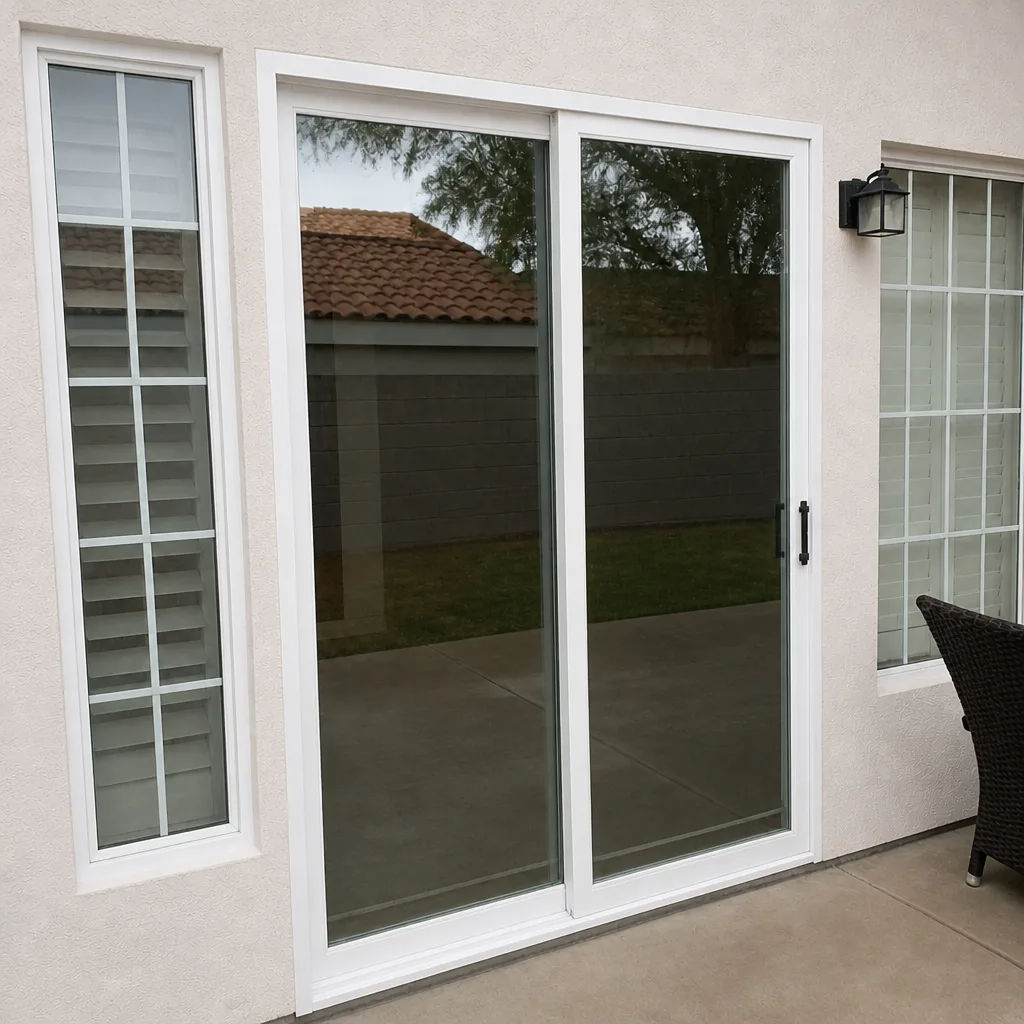 After
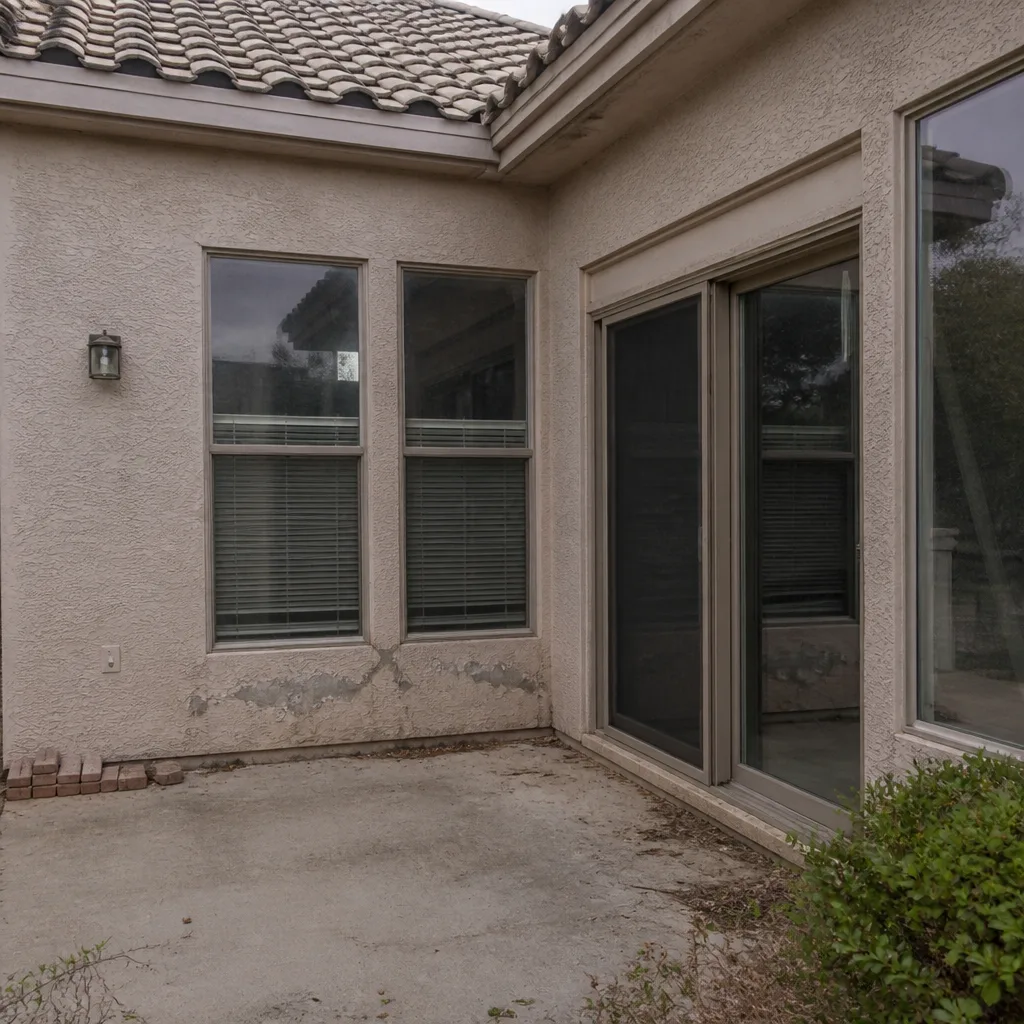 Before
 After
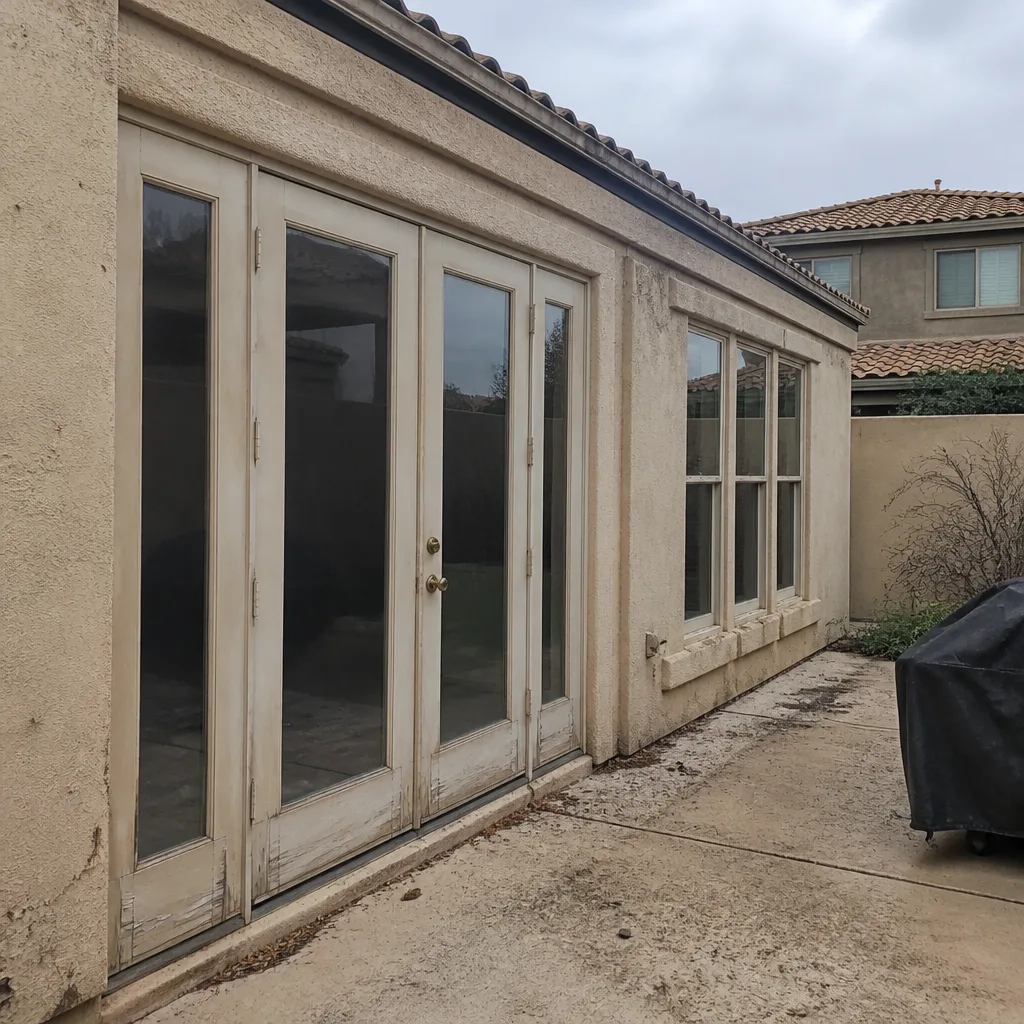 Before
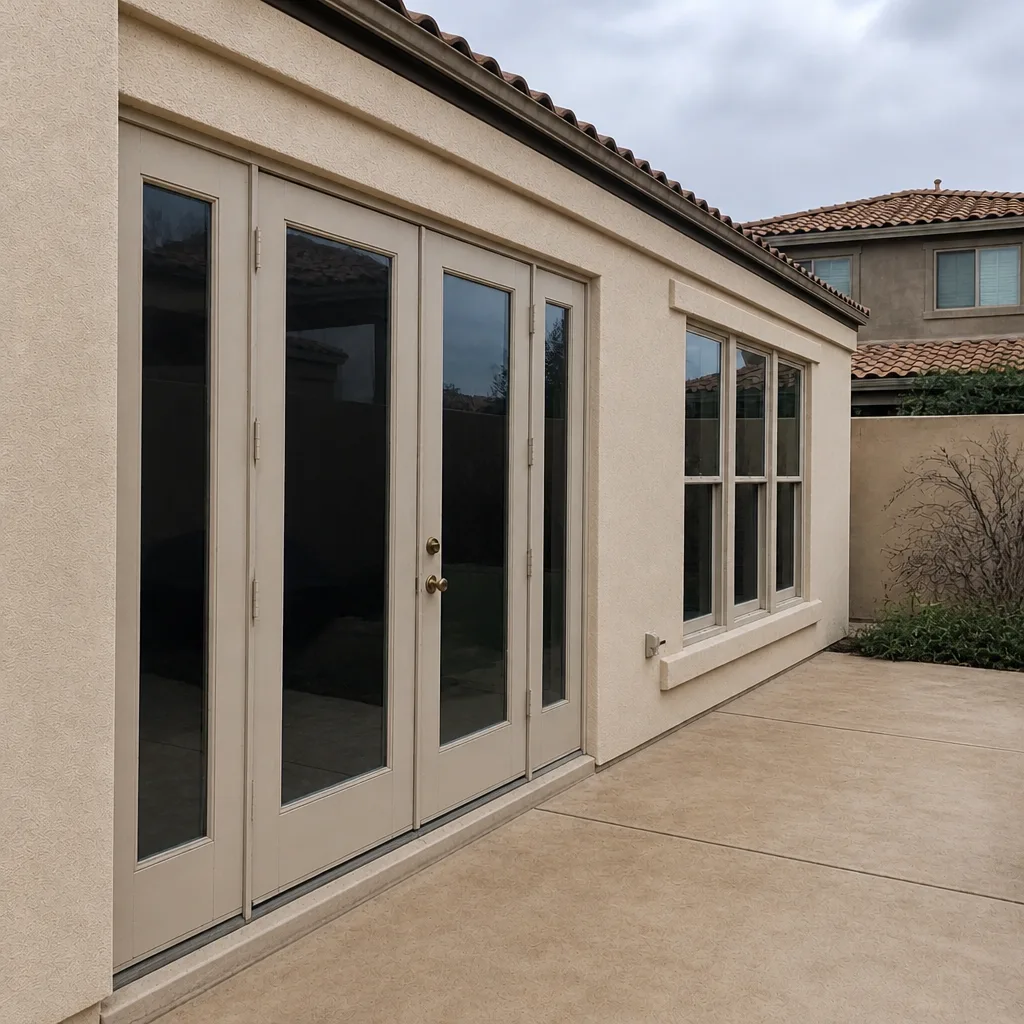 After
When to Call a Professional
Call a professional for any failed IGU (visible fogging, haze, or water between the panes), for a stucco crack that’s wet, stained, or moving with the seasons, for a door that sticks year-round despite a simple hinge adjustment, for any window with a crack or a chip within a few inches of the frame, and for a popping or clicking sound that’s been present for more than one season. Call sooner for any warning sign that’s accompanied by water intrusion. Summerlin Windows & Doors offers free estimates in Summerlin. Call (844) 797-6754. We answer 24/7. Fast dispatch from 7am to 7pm, Sunday through Friday. Our technicians have up to 12 years of experience, and we specialize in windows and doors only, so the diagnostic stays focused on what’s actually wrong with the opening.
Frequently Asked Questions
A popping or clicking sound in the frame during hot afternoons is often the earliest sign. It means the frame and glass are expanding at different rates, which in a Summerlin home usually points to original installation tolerances that were too tight for Nevada’s thermal range. Fogging or haze between the panes comes later, after the seal has already failed. Call (844) 797-6754 for a free estimate to diagnose what stage you’re at.
Yes. Once moisture has entered the sealed cavity and the desiccant has saturated, the unit can’t be resealed reliably. A window replacement of the affected IGU is the standard fix. If you’re seeing the earliest haze stage without visible droplets, it’s a good window to plan rather than rush.
That’s thermal and moisture movement, not a hardware failure. Wood-framed doors swell and contract with seasonal humidity swings, and steel or fiberglass frames expand at a different rate than the slab. If the door also drags in winter or won’t latch cleanly, the cause is more likely a hinge issue or settling. Call (844) 797-6754 for an exact quote; estimates are free.
Cracks that radiate in a matching pattern from multiple window corners, change width with the seasons, or show water staining are the ones to call about. Hairline cracks that run vertically and stop within a foot or two are usually cosmetic settling. In Summerlin, the seasonal width change is the key tell – it points to thermal movement in the frame or opening.
An installation defect shows up in one unit of a matched set and appears within the first summer after install. A product defect shows randomly across units of different ages and isn’t tied to a single fitting. The distinction determines who pays: the installer’s workmanship warranty or the manufacturer’s product warranty. A written, itemized quote and a dated photo record are your best protection either way.
Not always, but pairing them is efficient when both are aging together on the same thermal cycle. A matching entry door from a line like Therma-Tru alongside new impact-rated windows unifies the home’s exterior envelope in one project instead of two. Call (844) 797-6754 to talk through whether your openings are on the same replacement timeline. We carry eight brands across impact-rated, energy-efficient, and architectural lines, so the right window for your home is chosen from your needs, not from a single-supplier shelf.
The Bottom Line
Most window and door failures in Summerlin give months of warning before they’re obvious. Popping frames on hot afternoons, haze between panes before fogging, stucco cracks that widen with the seasons, and summer-only door sticking are all early signals. Read them in the right order, and the difference between a repair and a replacement stays in your hands. The other useful distinction is install versus product. A written, itemized quote and a dated photo record settle most of those questions. When you’re ready to compare options, a free estimate from a Summerlin windows-and-doors specialist gives you a real answer in about an hour. Call (844) 797-6754. We answer 24/7. Fast dispatch from 7am to 7pm, Sunday through Friday. For more on the local picture, see our Summerlin page.
Written by the team at Summerlin Windows & Doors.