Last updated November 17, 2026
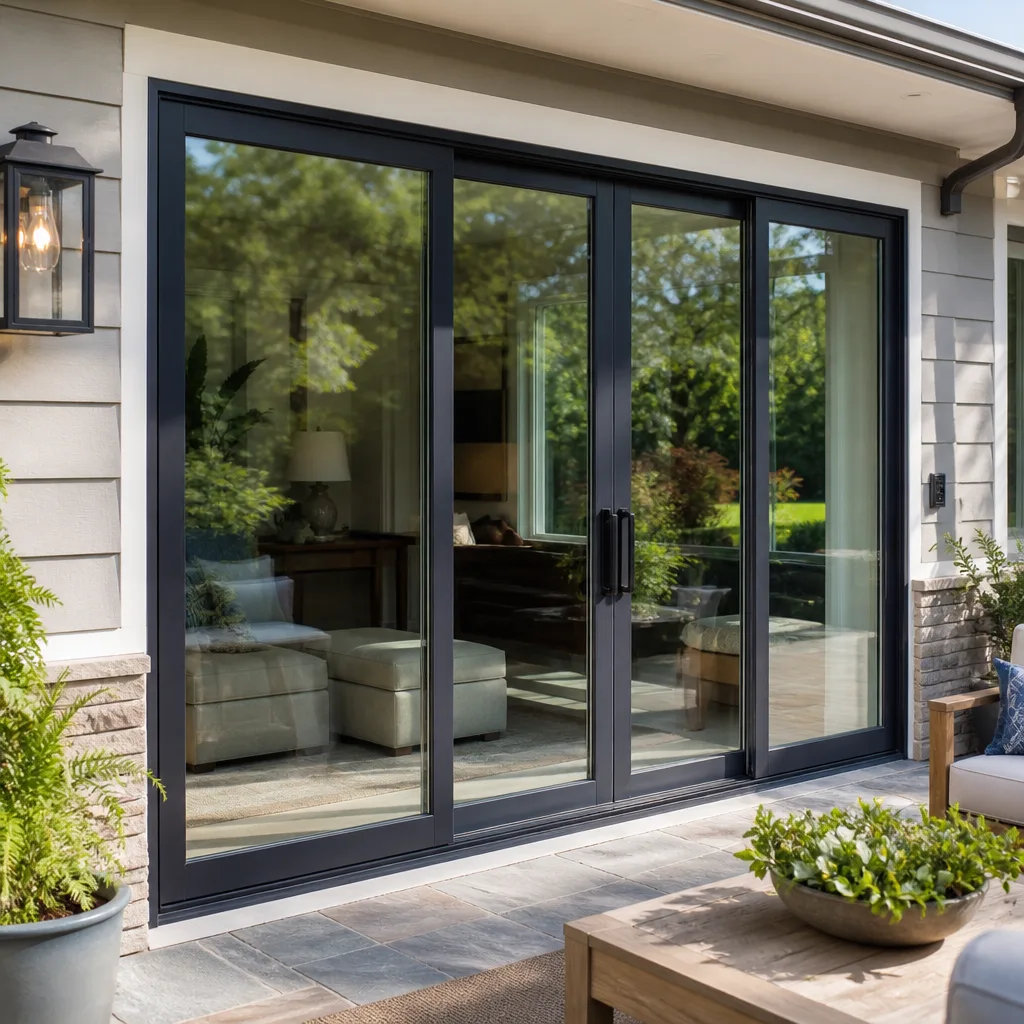 Sliding glass doors
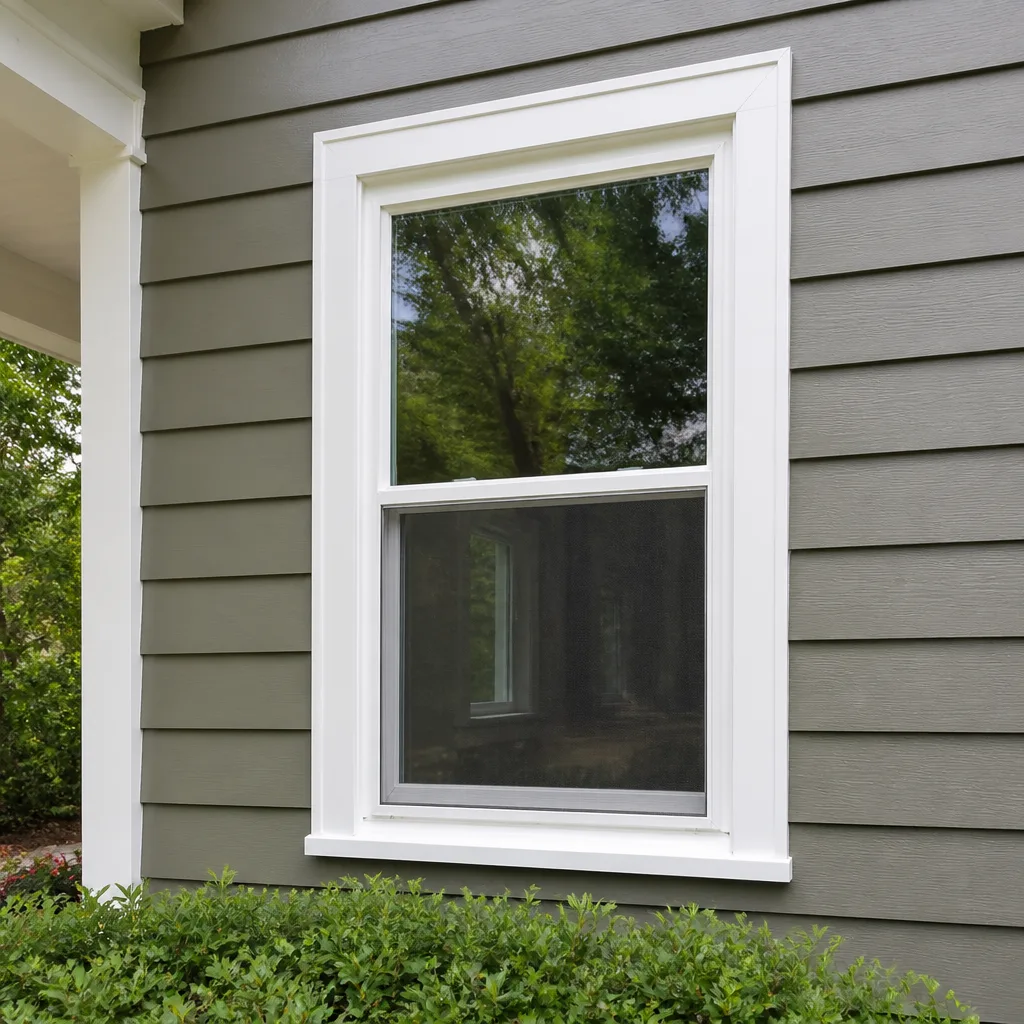 Single hung
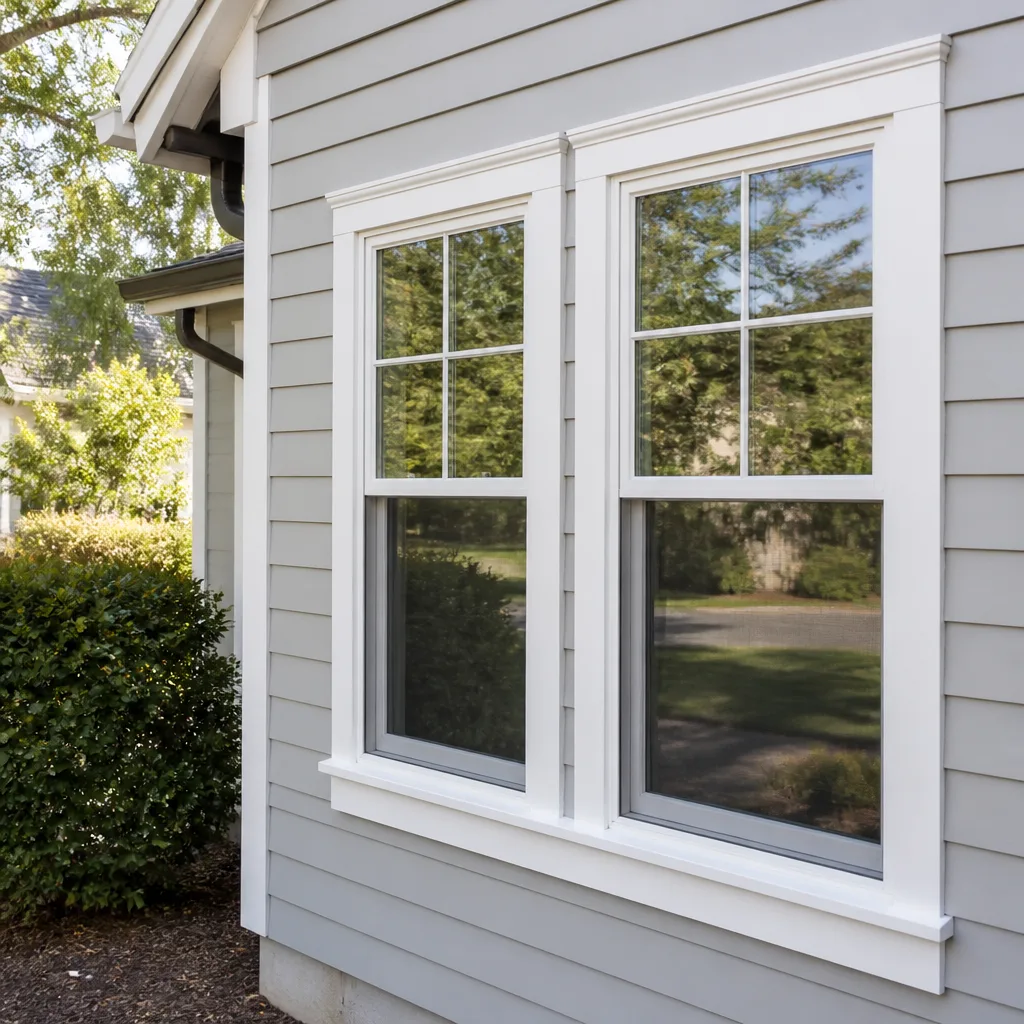 Double hung
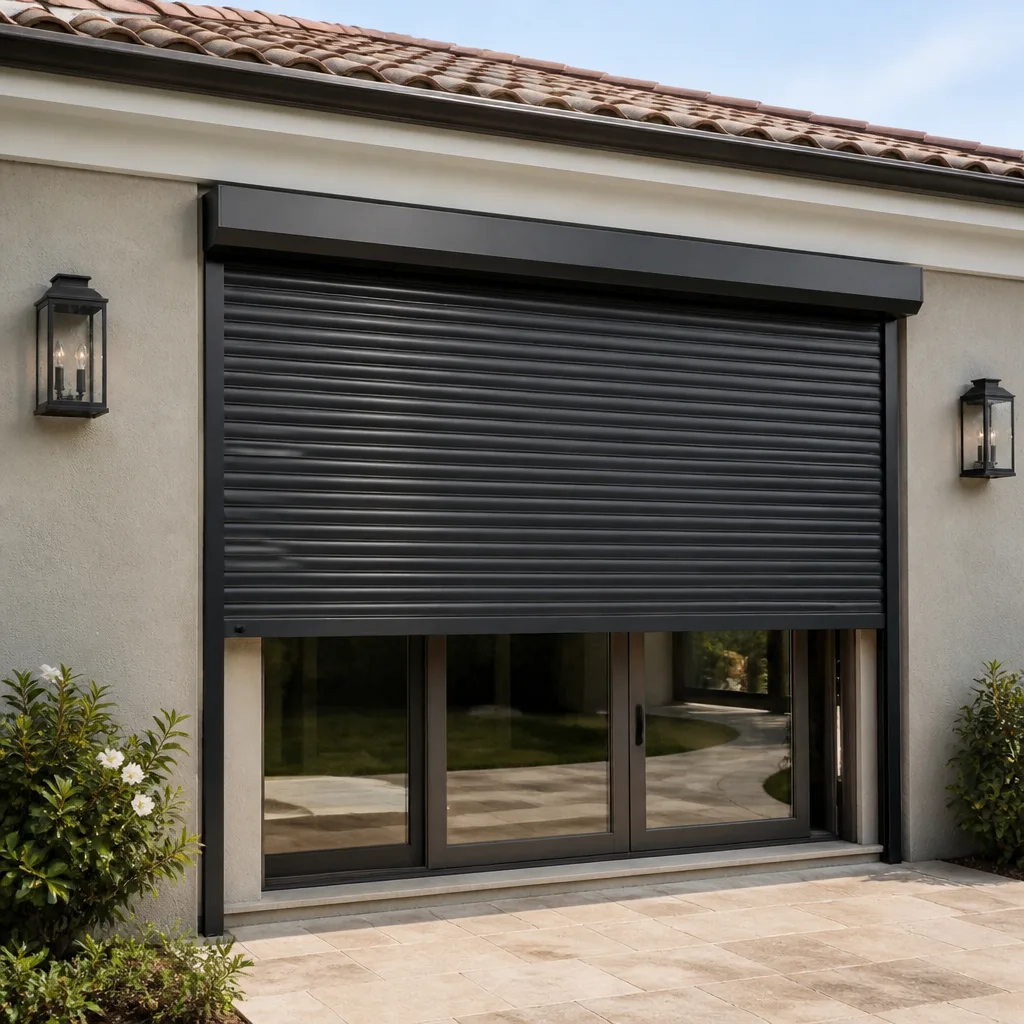 Horizontal roller
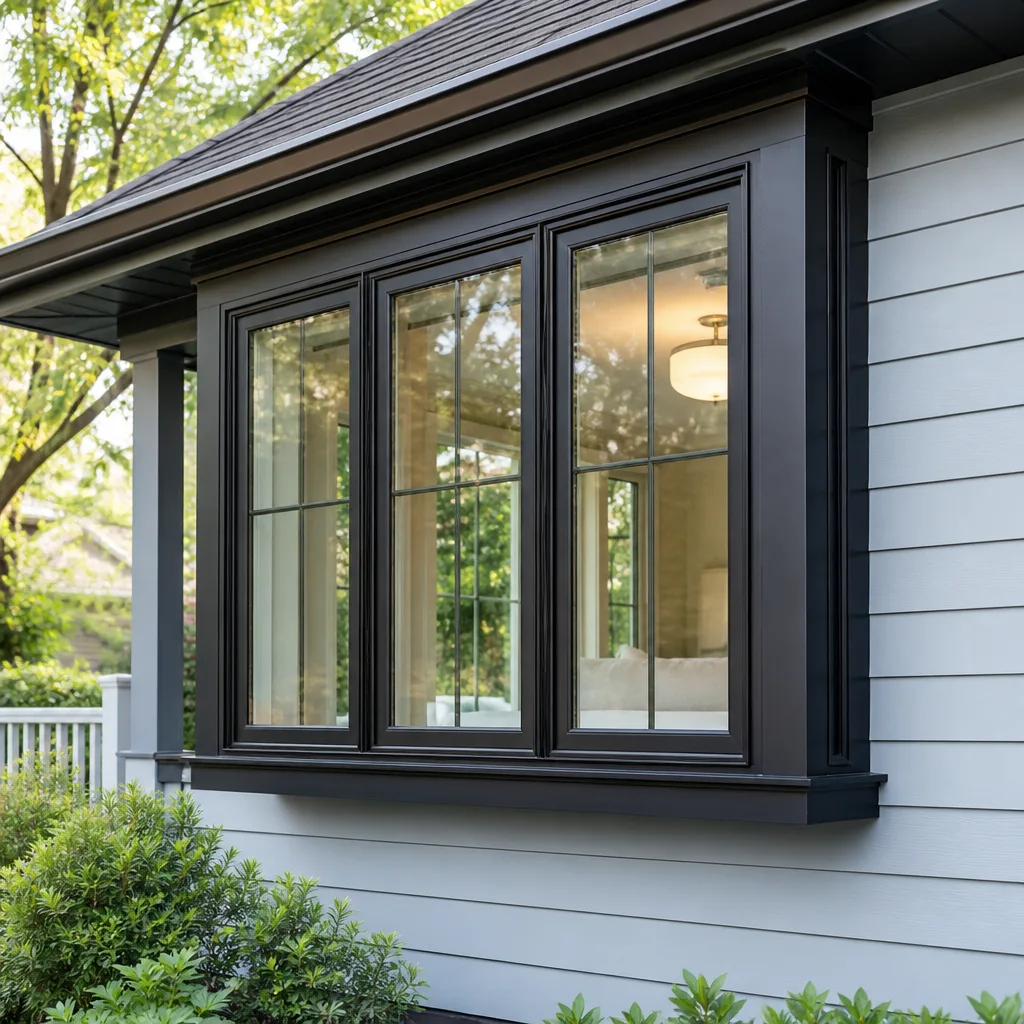 Casement
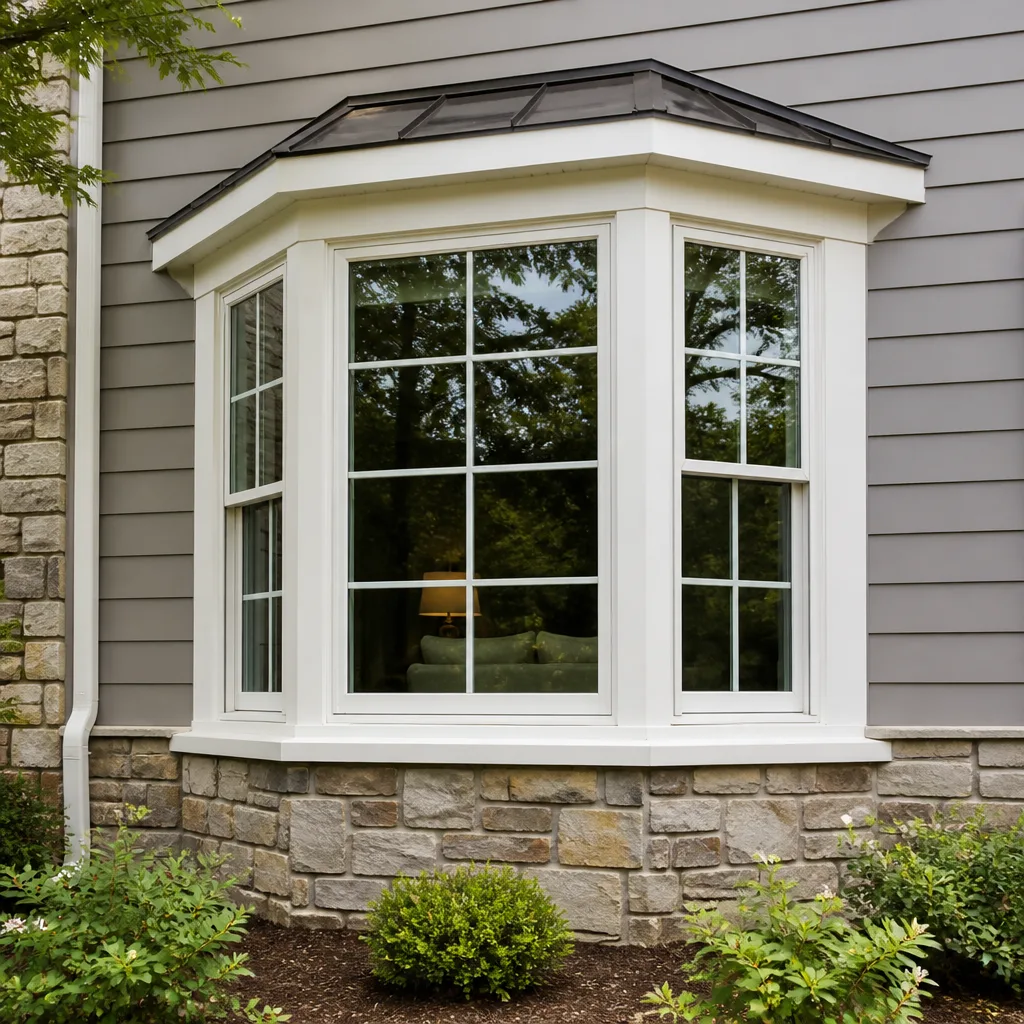 Bay & bow
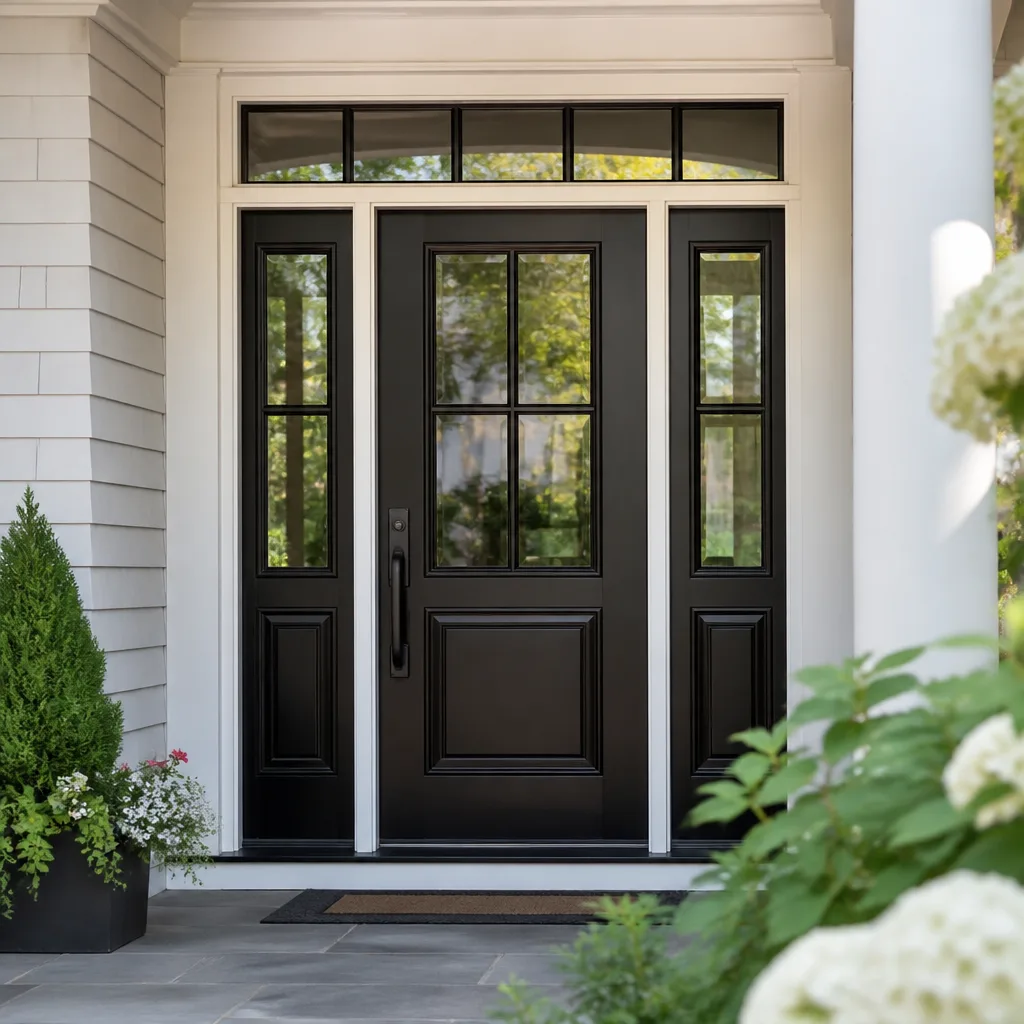 Entry doors
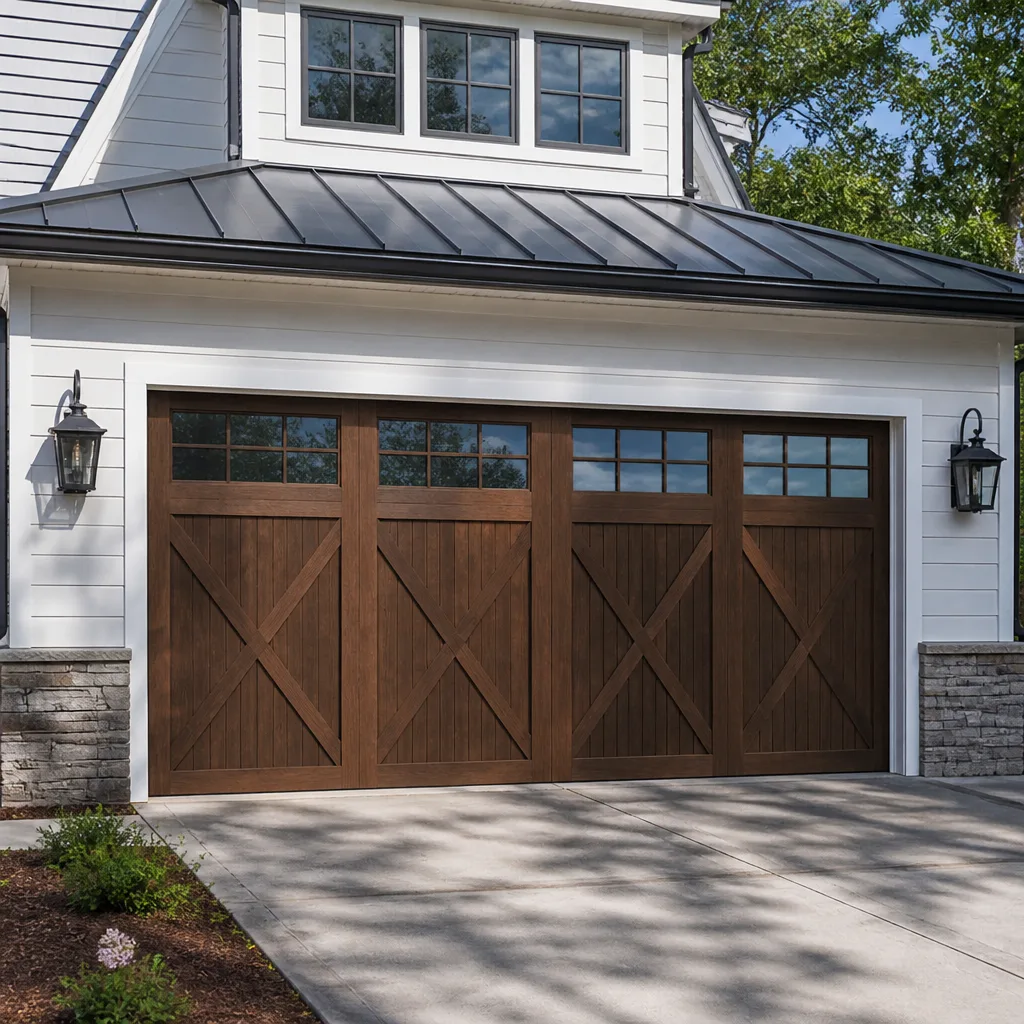 Impact garage doors
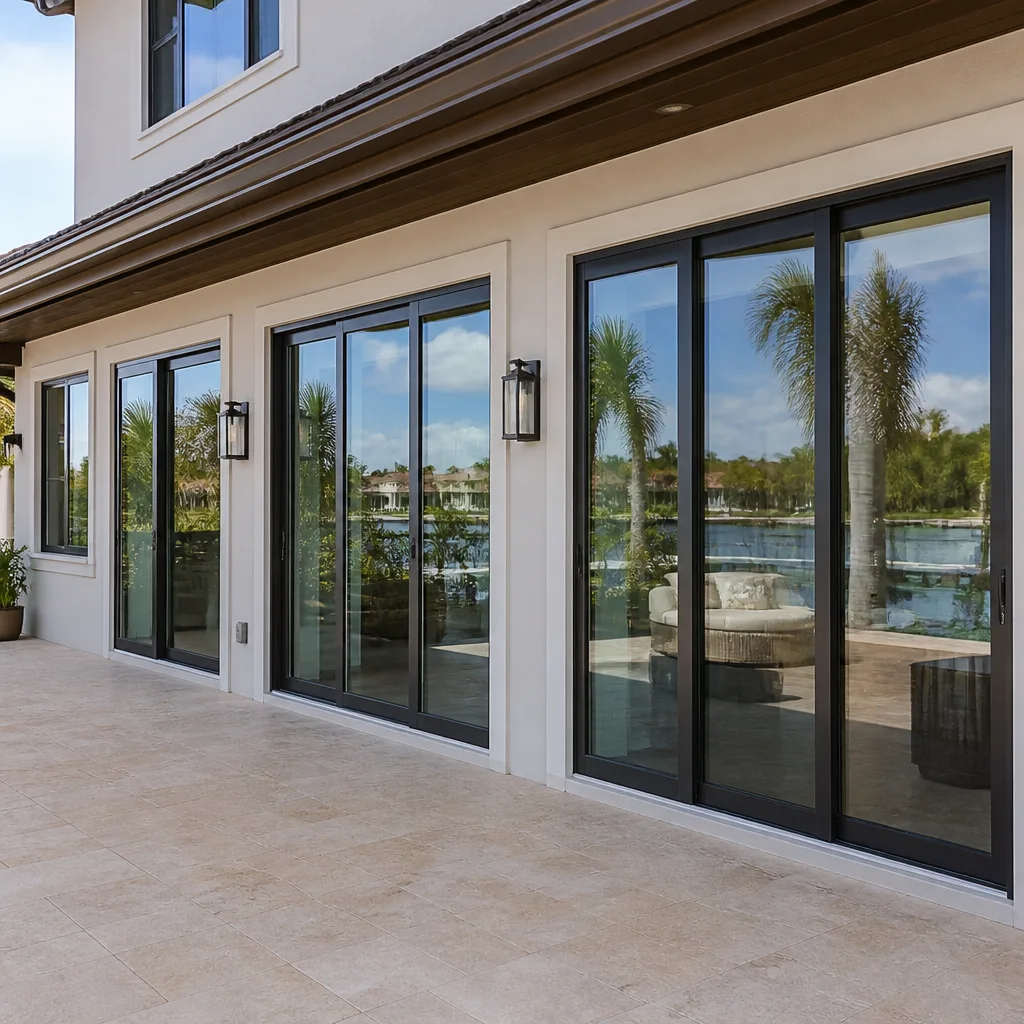 PGT
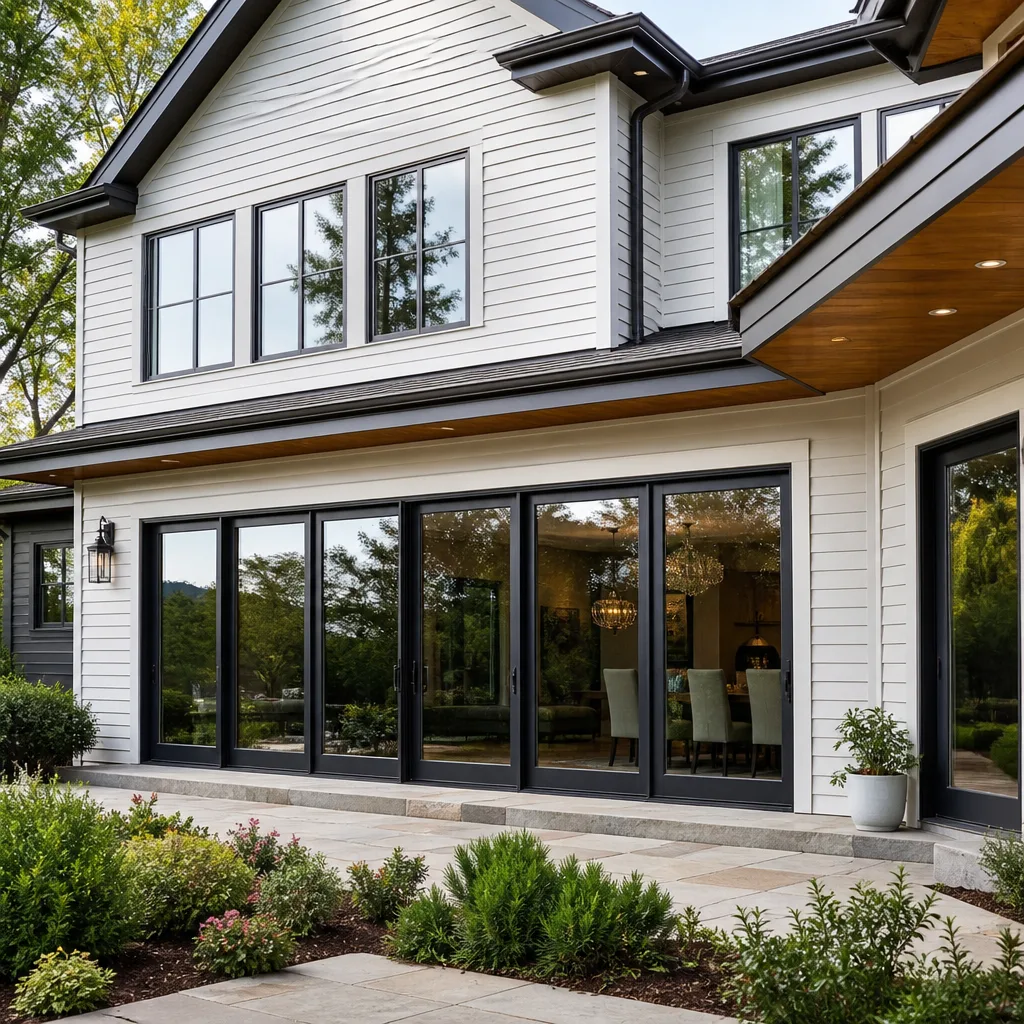 CGI
Free in-home measure and quote - PGT, CGI and CWS impact lines compared on your actual openings, style by style
Get your free estimateHow to Hire a Windows & Doors Contractor in Summerlin: A Step-by-Step Guide
When a window seal fails a couple of years after installation, the first call a general contractor makes is to the manufacturer. A dedicated windows specialist already knows who owns that claim, because the same team that measured, set, and sealed the unit is the one answering the phone. That difference in accountability is the single biggest thing most Summerlin homeowners overlook when they compare bids. The number on the quote looks the same on paper, but the path from a failed unit back to a fix is not.
This guide walks through how to hire a windows and doors contractor in Summerlin, from verifying a Nevada license classification to reading a warranty split clause before you sign. You’ll learn the five questions that reveal whether a bidder is a specialist or a generalist, the red flags specific to Summerlin’s peak remodeling season, and what a legitimate crew looks like on a ten-window job.
Quick Answer
To hire a windows and doors contractor in Summerlin, verify that their Nevada State Contractors Board license classification covers the actual work, confirm they specialize in windows and doors rather than general construction, insist on a home measure before the bid, and read the warranty section to see who covers product versus labor. A specialist who installs what they sell carries one clean line of accountability when a unit fails. A general contractor who subcontracts installation creates a gap between product and labor that shifts risk back to you.
Styles & brands we work with
- Single hung
- Double hung
- Horizontal roller
- Casement
- Bay & bow
- Sliding glass doors
- Entry doors
- Impact garage doors
- PGT
- CGI
Table of Contents
- What Nevada License Classification Do You Actually Need?
- The Five Questions That Reveal a Specialist From a Generalist
- How to Read a Window Replacement Contract
- Red Flags Specific to the Summerlin Market
- What a Legitimate Crew and Timeline Look Like for 10 Windows
- Summerlin Climate and the Products That Hold Up
- The Step-by-Step Hiring Process
- When to Call a Professional
What Nevada License Classification Do You Actually Need?
Nevada’s State Contractors Board classifies contractors by the type of work they perform, and the classification matters more than most homeowners realize when pricing a window or door job. Replacement work on an existing home generally falls under a residential classification that covers remodeling and repairs. New construction from the ground up typically needs a broader residential or general building classification. If a bidder can’t tell you which classification they hold and why it fits your specific project, that’s your first checkmark.
Here’s why this isn’t a technicality. A contractor licensed only for new construction may not carry the right classification to perform a replacement on your occupied home, and the license board won’t help you recover costs from a job performed outside someone’s licensed scope. Ask for the license number and verify it directly on the board’s public lookup. It takes two minutes and it’s the cleanest first filter you can run.
Also verify that the license is active and has no disciplinary actions on record. The board publishes this information. A clean, active license in the right classification tells you the contractor has passed the trade exam, met the bonding and insurance requirements for that class, and is answerable to a state regulator if the job goes wrong. On a replacement of existing windows, that regulator relationship is your hidden backstop.
For work in Summerlin specifically, the community’s design guidelines and HOA rules often add a layer on top of state licensing. Certain neighborhoods require review of exterior changes before installation begins. Ask any contractor how they handle the CC&R or architectural review step, because a specialist who works in the area regularly will have done it before and won’t be surprised by it mid-project. If you want to understand the local market more broadly, start with Summerlin, where we cover the area’s housing stock and typical replacement scenarios.
The Five Questions That Reveal a Specialist From a Generalist
You can separate a windows-and-doors specialist from a generalist in about five questions. The answers tell you not just how much they know, but who will be accountable when something fails after the job is closed out. Write these down. Ask them in the estimate meeting and listen for specifics.
- Who performs the installation? A specialist uses its own installers or direct partner crews it controls. A generalist often subs the work to whoever is available in a given week, which means the person who measured, the person who bid, and the person who installs may be three different parties with no shared accountability.
- How many window brands do you represent, and why those? A specialist usually carries several brands so it can match product to home, not force one product line onto every job. A single-brand bidder is often a single-brand bidder because that’s the only relationship they have. We carry eight brands for exactly this reason: Summerlin Windows & Doors is built around giving homeowners a real comparison, not one option.
- What’s the manufacturer warranty, and what’s yours on labor? Specialists answer this in one sentence because they’ve done it hundreds of times. Generalists often turn it into a paragraph, and the paragraph frequently hides a gap between product and labor coverage. More on this in the next section.
- Do you measure the home before quoting? A specialist always sends someone to the home before the quote is final. A generalist will sometimes quote from floor plans or the homeowner’s measurements, which almost always produces change orders once the truck arrives.
- What’s your role if a unit fails two years in? The right answer is that they own the process and handle the manufacturer direct. The wrong answer is “you’ll need to call the manufacturer.” That second answer means you’re the project manager when things go sideways. For more on how a specialist structures this part of the job, our page on window replacement details what a proper scope of work includes.
None of these questions are tricks. They’re just the questions a specialist is set up to answer well, and a generalist is set up to answer around. In our experience, the bid you get from a contractor that answers all five cleanly is also the bid with the fewest surprises later.
How to Read a Window Replacement Contract
Warranty language in a window replacement contract has a specific job: it states who covers product, who covers labor, and who covers installation errors when they happen. Most homeowner problems start here, not in the price. Read three things before you sign.
1. Product warranty. This is what the manufacturer covers, typically against seal failure, glass breakage under specified conditions, and finish defects. Ask for the actual written warranty language from the specific brand being installed. Do not accept a verbal summary. Brands like ECO Window Systems or ViewLux publish their own terms, and those terms vary. Get the document.
2. Labor warranty. This is what the installer covers, typically against water intrusion, improper sealing, incorrect shimming, and finish issues caused by installation. The question to ask is the timeline, which often differs from the product warranty. People assume these move in lockstep. They rarely do.
3. Installation warranty. This is the tricky one. Some contracts have labor coverage but carve out “installation defects” as a separate category with its own shorter window. That’s the clause to look for. If it exists, ask what happens when a unit leaks because of flashing or sealant failure two years in and the labor warranty has closed. The answer should name a party and a mechanism, not “we’ll look at it.”
Also verify three things that prevent future disputes:
- The contract should list each window with its exact dimensions, brand, model, and glass package. Vague line items like “replace 10 windows” aren’t contracts, they’re proposals.
- It should state the timeline and who pulls any required permits. Confirm whether the permit is included in the price or billed separately.
- It should describe the installation method (full-frame versus insert/pocket) because the warranty coverage isn’t the same for both. A general contract that doesn’t say which method is being used is a contract that leaves room for the cheaper method at install time.
If the contract is silent on any of these, ask for them in writing before signing. A specialist won’t balk. A generalist often will.
Red Flags Specific to the Summerlin Market
Summerlin’s remodeling market has seasonal rhythms that general contractors from outside the area don’t always anticipate. That creates specific red flags you won’t see in every city. Here’s what to watch for in the bids and conversations you have.
- Out-of-state crews during peak season. When demand spikes in the spring, some contractors bring in crews from out of state to keep up. Those crews don’t know Southern Nevada’s installation conditions, the specific product behavior in low-humidity heat, or the local code inspectors. Ask where the installer is based and whether they’ve installed this brand in this climate before. The answer should be direct.
- Bids that skip a home measure. Any bid that lands in your inbox without a site visit is a placeholder, not a quote. Summerlin homes vary widely in wall type, egress configuration, and frame conditions, and a real bid has to be measured on site.
- Single-brand-only quotes. When a contractor only proposes one brand, there’s no comparison. Even if that brand happens to be right for your home, you can’t know that without seeing the alternative. A specialist with multiple manufacturer relationships exists specifically so you can compare products, not just price.
- Price that doesn’t mention the glass package. Impact-rated and low-E options carry different costs. A bid that doesn’t specify the glass is a bid built to change once you pick the glass.
- No mention of CC&R or architectural review. Summerlin’s HOA review process isn’t the contractor’s job, but a local contractor knows it exists and how to sequence around it. A bidder who’s never heard of it is a bidder who’s never worked here.
- Verbal-only warranty claims. “We stand behind our work” is not a warranty. Get the language in writing, then read the exclusions.
- Pressure to sign now for a “held” price. Legitimate contractors don’t need to manufacture urgency. The bid stands on its own, and the terms don’t change if you take a week to decide.
For a deeper look at how a proper install sequence handles Summerlin’s specific conditions, our overview of window installation walks through the steps a specialist follows on-site.
What a Legitimate Crew and Timeline Look Like for 10 Windows
A ten-window replacement is a manageable job for a professional crew, and it should look predictable on the calendar. Cut-corner crews are visible before they arrive if you know what to watch for. Here’s the pattern a legitimate job follows.
Crew size. A typical ten-window replacement is handled by a two- to four-person crew, with a lead installer who has measured or reviewed the measure sheet and owns the job. If the crew shows up with one person on a ten-window day, expect either a rushed job or a return visit. If you see five or more people cycling through, the accountability lead is unclear. Ask who on the crew is responsible for the final punch list.
Timeline. A ten-window replacement usually runs one to two working days for insert-style replacement, and two to three for full-frame. Additional time is added for stucco repair, egress corrections, or unusual wall conditions. If your bid promises “a few hours” for ten windows, that bid is either scoped wrong or the crew is cutting steps.
What happens on day one.
- Crew lead walks the site, confirms each window against the measure sheet, and stages materials without blocking doors or walkways.
- Interior protection goes down before any old unit comes out. Floors, furniture, and adjacent walls should be covered.
- Windows are removed one at a time, not as a group, so the home stays weather-tight throughout.
- Framing and sill conditions are checked, and any rot or damage is flagged before the new unit is set. This is where change orders legitimately come from, and a good crew documents the issue with a photo before doing anything extra.
- New units are set, shimmed, sealed, and checked for operation (opening, latching, locking) before moving on.
- Exterior flashing, sealant, and any stucco or trim work are completed and inspected before the crew moves to the next window.
What happens on the last day. Punch list walkthrough with you on-site. Every window operated in front of you. Debris and old units removed from the property. Any touch-up painting or stucco work scheduled and confirmed. If your contractor doesn’t offer a punch walkthrough, that’s a red flag: it’s the moment where the job gets finalized in your favor or doesn’t.
Gutters, drywall repair beyond the immediate window opening, and painting are separate trades. A windows-only specialist will tell you clearly what’s included and what isn’t. That clarity is part of what makes the accountability work.
Summerlin Climate and the Products That Hold Up
Summerlin sits in a high desert valley where summer interior heat gain is the primary enemy of window performance, and winter mornings can bring temperatures that stress low-quality frames. Understanding what that means for product choice changes how you evaluate bids. This isn’t about marketing language, it’s about which product specifications matter in this specific climate.
Three climate factors drive the choice:
- Intense summer sun. Afternoon west- and south-facing glass absorbs a lot of heat. A low-E coating and the right glass package make a real difference to cooling load. A bid that doesn’t name the glass package is a bid that hasn’t thought about this.
- Large day-night temperature swing. Frame material and thermal break quality matter here. Vinyl and aluminum frames behave differently through the swing, and the difference shows up in seal failure rates over time. A specialist can explain which brands have held up better in Southern Nevada conditions and why.
- Low humidity and dust. Sealant selection and flashing detail matter more in dry climates than most contractors from wetter regions realize. Generic exterior sealant can shrink and fail faster here. Ask what sealant system the installer uses and whether it’s rated for the local climate.
Impact-rated options deserve their own mention. Summerlin isn’t a coastal market, so impact-rated products aren’t a universal requirement the way they are in Florida or along the Gulf. But for homeowners in certain areas, impact-rated glass can still make sense as a performance upgrade, particularly on larger openings or for homeowners who want an additional layer of storm protection. What matters is comparing impact-rated options across manufacturers, not accepting a single-brand pitch. Lines like Mr-Glass or ECO Window Systems sit in different performance tiers, and comparing them side-by-side is how you get to the right answer for your specific home.
Entry and exterior doors are a separate but related decision. A door replacement in Summerlin needs the same treatment: proper measure, correct product for the opening and the climate, and installation by the same team that will handle the window work. Therma-Tru doors are one of the more established product lines for this part of the project, and pairing them with window replacement in the same engagement means both openings are done under one scope and one warranty document.
The Step-by-Step Hiring Process
Here’s the sequence that produces the cleanest outcome, in order. This is the process we recommend even when you’re not hiring us, because a well-informed homeowner gets a better result regardless of who does the work.
- Verify the license. Look up the contractor’s license number on the Nevada State Contractors Board public lookup. Confirm the classification, the active status, and no disciplinary actions. Two minutes, non-negotiable.
- Confirm specialty. Ask whether the contractor does windows and doors only, or whether windows are one line of work among several. There’s no right answer for every homeowner, but there is a right answer for the accountability question.
- Request an in-home measure. Insist on a site visit before any quote. If the contractor won’t come out, that’s your filter.
- Ask the five specialist questions. Who installs. How many brands and why. What warranty, and split it into product and labor. Do you measure. What’s your role if a unit fails.
- Get three written bids, apples-to-apples. Before comparing price, make sure the bids cover the same scope: same number of windows, same glass package, same installation method, same permit handling, same punch list. Otherwise you’re comparing different jobs.
- Read the warranty section. Identify product coverage, labor coverage, and installation coverage. Confirm there’s no carve-out for installation defects, or that any carve-out is clearly defined and answered.
- Ask about Summerlin-specific logistics. CC&R review, HOA scheduling rules, the installer’s local experience, and how they handle stucco repair if it comes up.
- Schedule the work, then confirm the punch walkthrough. Before you sign, confirm the punch walkthrough is part of the schedule. It’s the moment when the job either closes cleanly or leaves a long tail.
Three bids, same scope, same measure. That’s the shape of a good comparison. Anything less and you’re guessing.
See the difference
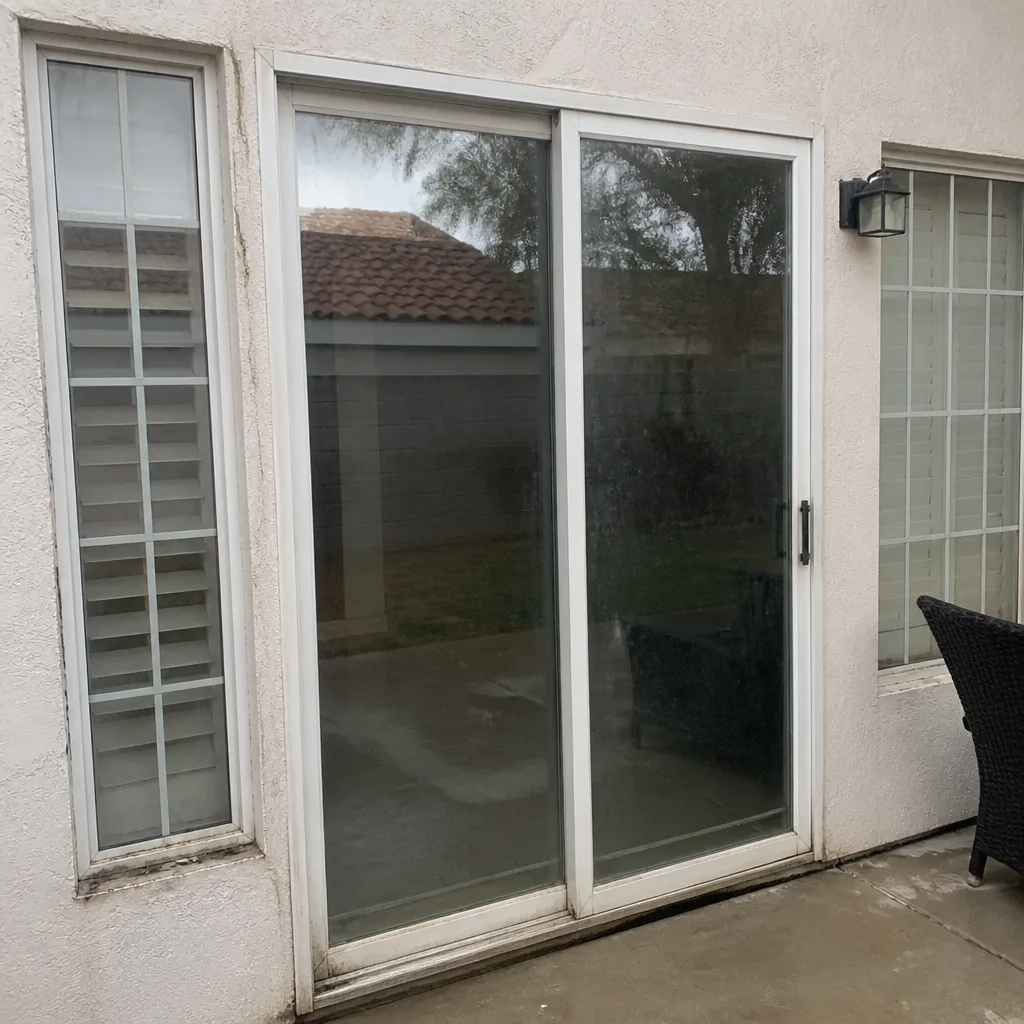 Before
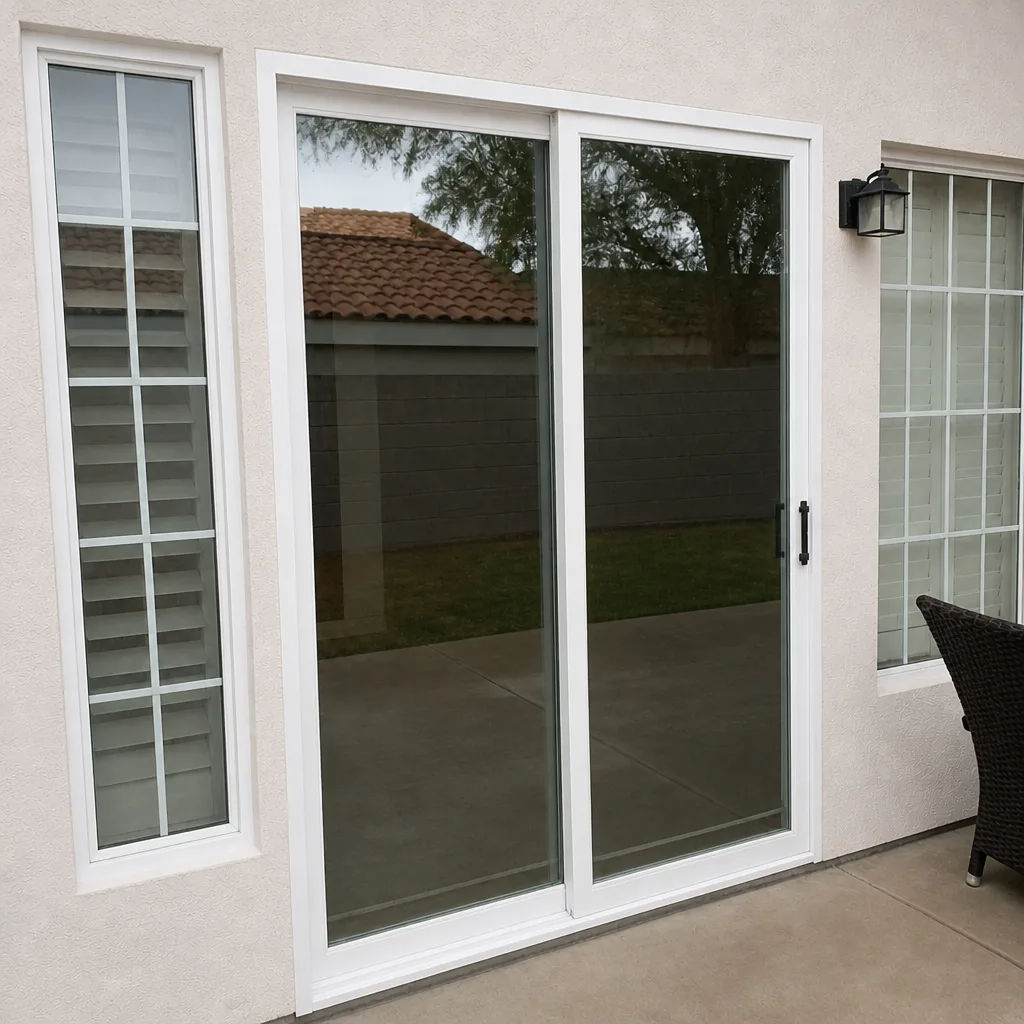 After
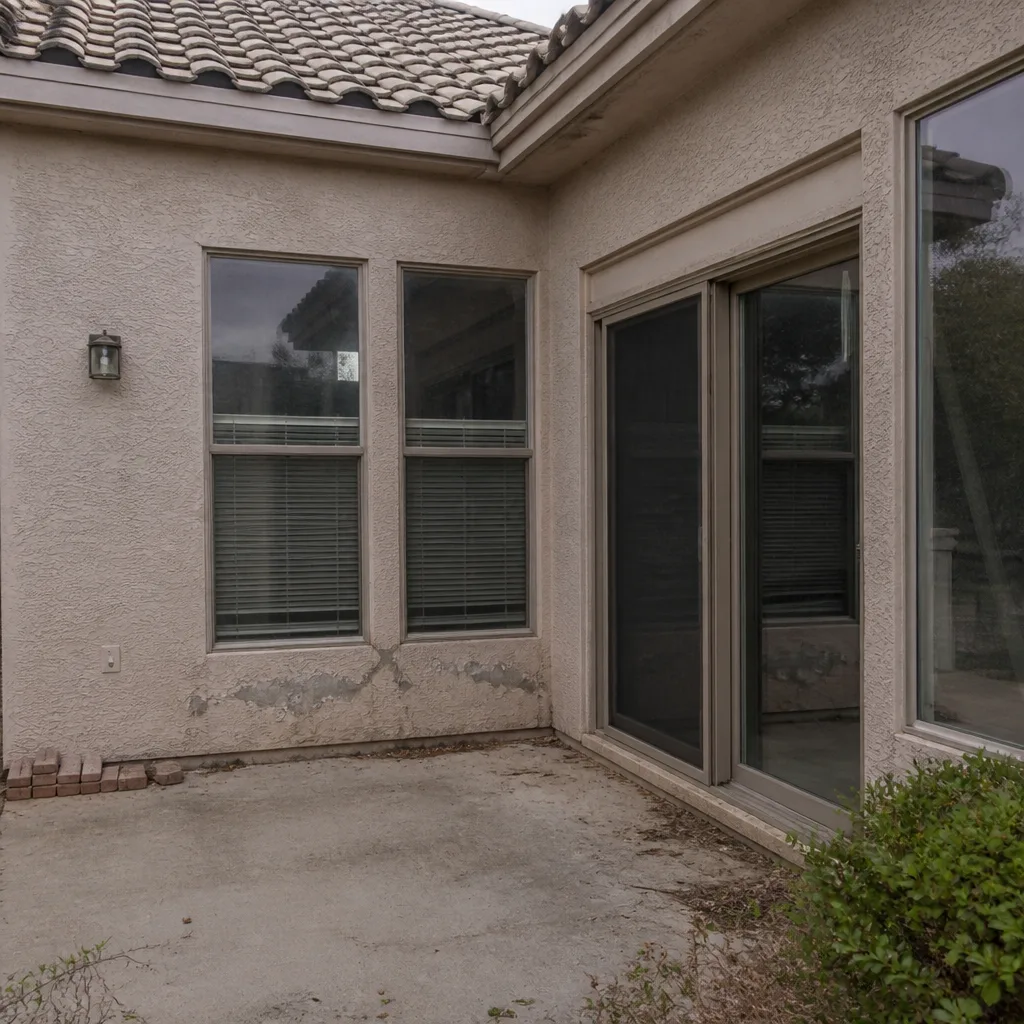 Before
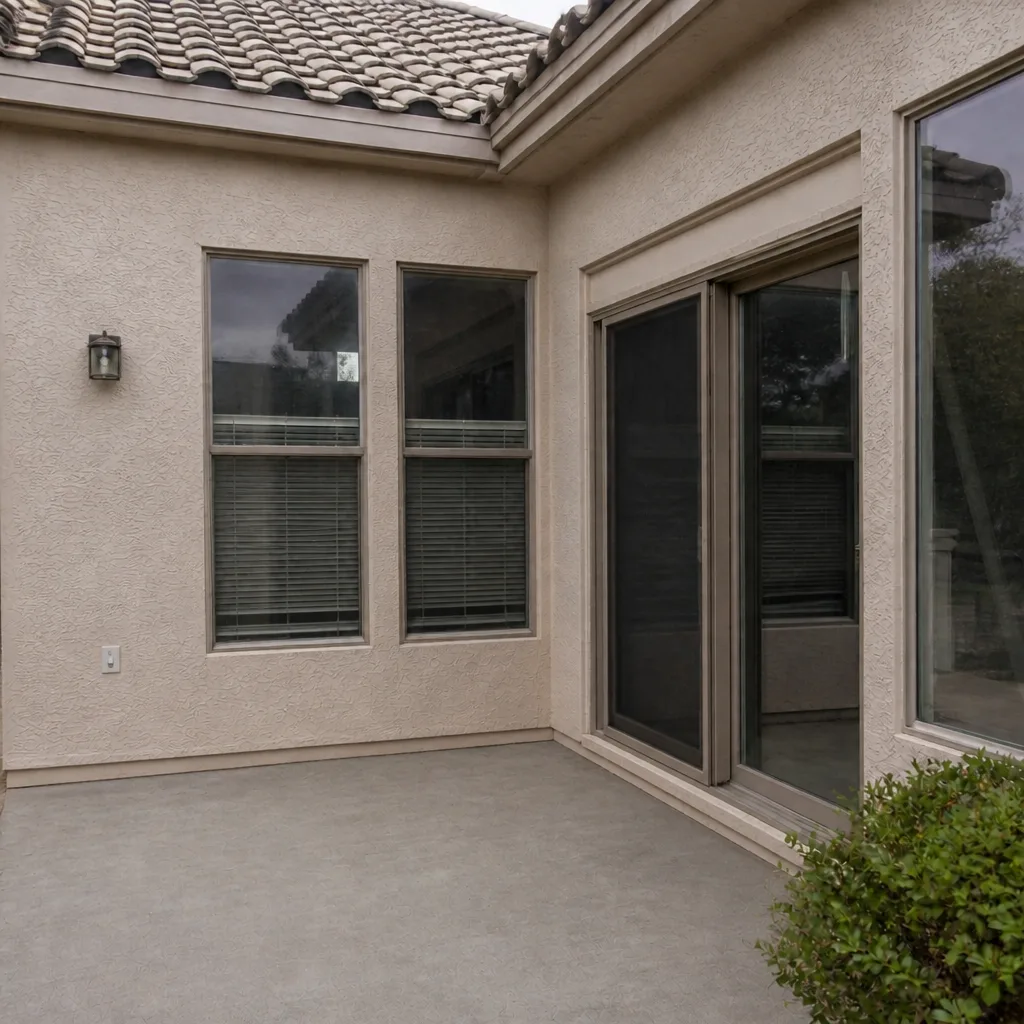 After
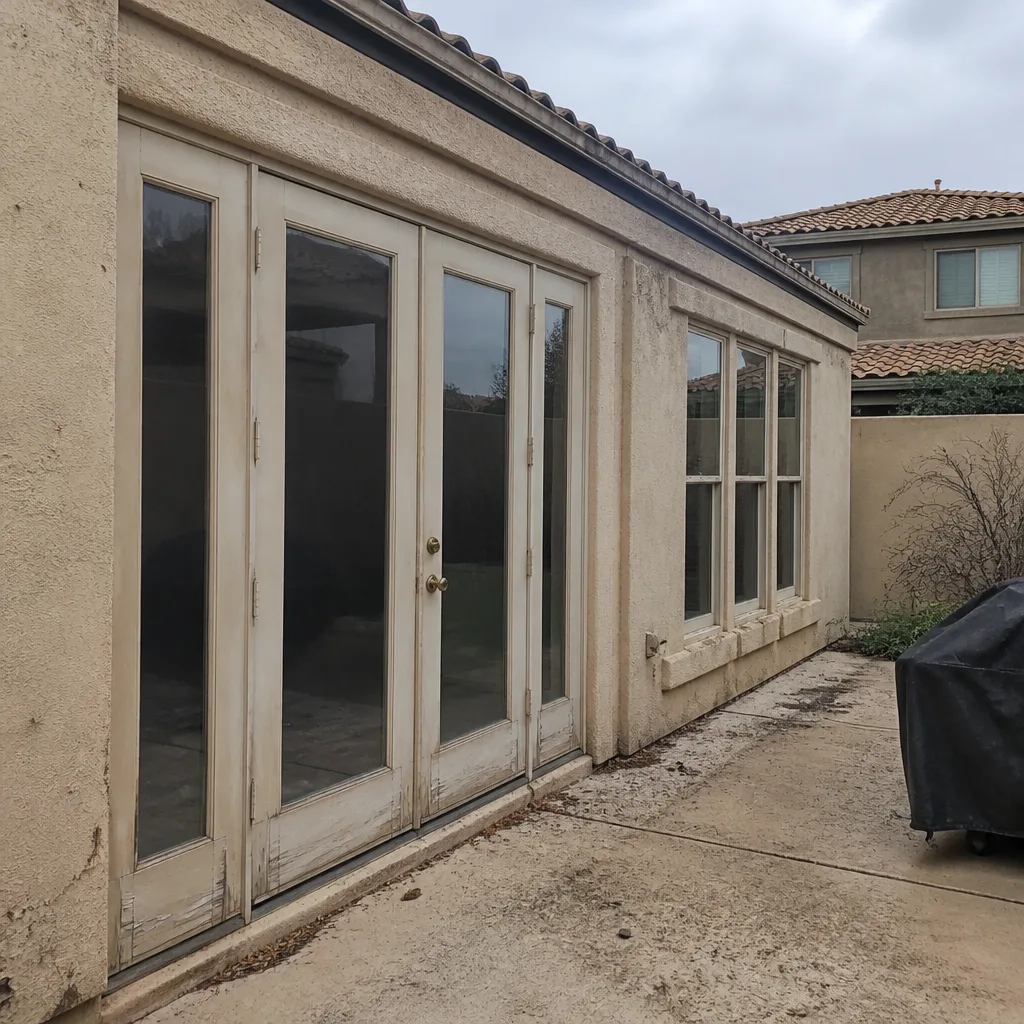 Before
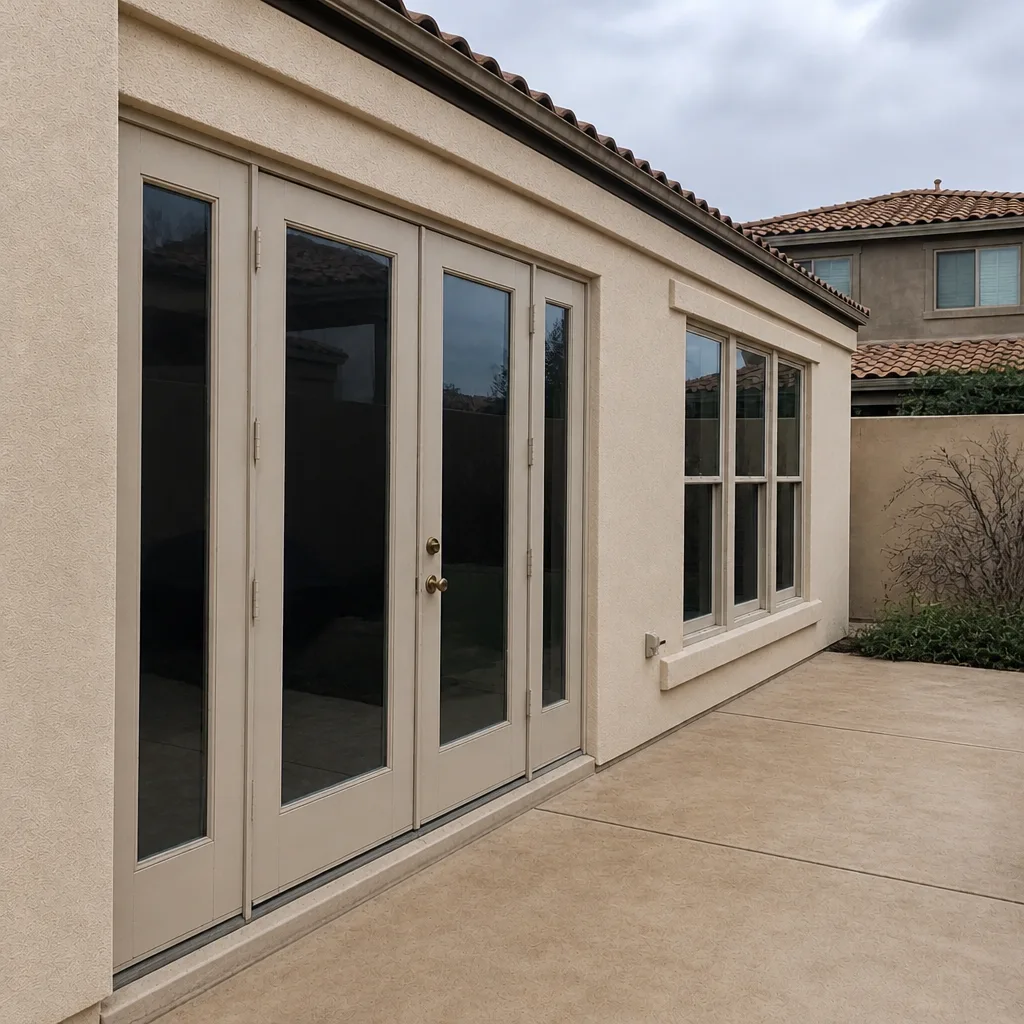 After
Common Mistakes to Avoid
- Hiring the general contractor who “does windows too.” If windows are a subcontracted line item on their bid form, the accountability for installation inevitably splits from the product. When a unit fails two years later, you’re the one arbitrating between the manufacturer and the installer.
- Skipping the license classification check. New construction and replacement work are classified differently in Nevada. If the license doesn’t match the work, you lose your regulatory backstop. Verify it on the board’s lookup before you sign anything.
- Comparing three bids on price alone without matching scope. One bid may include a permit and full punch list, another may exclude both. Before you compare the bottom line, make sure the line items are the same.
- Ignoring the warranty split clause. The riskiest part of a contract is the gap between product warranty, labor warranty, and installation warranty. If the contract doesn’t clearly define who owns installation defects after the labor period closes, ask for it in writing.
- Accepting a single-brand bid because it looks complete. A single-brand quote can be a good quote, but you can’t verify that without an apples-to-apples comparison against a second brand. Width of brand selection is a real value, not just a marketing line.
- Letting the crew skip the punch walkthrough. A punch list walkthrough with you present, with every window operated, is the final step of a real installation. If it’s not on the schedule, add it.
- Forgetting the CC&R or architectural review step. Summerlin’s community rules matter before the first unit comes out. Ask any contractor how they sequence around review approvals, and be suspicious of one who’s never asked the question.
When to Call a Professional
Call a professional for any of the following: a failed window seal or fog between panes on a window that’s under ten years old (warranty timing matters and a specialist knows how to run the claim), water intrusion around an opening or visible staining at interior jambs, glass that’s cracked or damaged in an impact, a door that no longer aligns or latches smoothly after weather shifting, or a planned replacement across multiple openings where matching product across brands matters. Also call if you’re evaluating impact-rated or high-performance glass options for a Summerlin home and want a real comparison across manufacturers, not a single-brand pitch. Summerlin Windows & Doors offers free estimates in Summerlin, call (844) 797-6754. We answer 24/7, with fast dispatch from 7am to 7pm, Sunday through Friday.
Frequently Asked Questions
Replacement work on an existing home generally falls under a residential remodel or repair classification through the Nevada State Contractors Board, while new construction typically requires a broader classification. Ask each bidder for their license number and verify the classification covers your specific project on the board’s public lookup before signing. Call (844) 797-6754 for help understanding what your project requires.
Ask who performs the installation, how many brands they represent, what the product and labor warranties cover separately, whether they measure on-site before quoting, and what their role is if a unit fails. A specialist answers all five directly because the same team handles measure, bid, and install. A generalist often answers around the questions because different parties handle different steps. Call (844) 797-6754 for a free estimate.
Look for three distinct sections: product warranty from the manufacturer, labor warranty from the installer, and installation warranty covering defects like flashing or seal failures. The installation section is where the risk usually hides, because it’s often shorter or carved out. Get each of the three in writing, and confirm who owns a claim if the labor period closes before the product does. Call (844) 797-6754 for a free estimate on your project.
A ten-window insert-style replacement usually runs one to two working days; full-frame takes two to three, before stucco or trim touch-up is factored in. Extra time goes to any wall or framing conditions the measure didn’t catch. If a bid promises a fraction of that, the crew is either cutting steps or the scope wasn’t measured correctly. Call (844) 797-6754 for a timeline estimate specific to your home.
Impact-rated glass isn’t a universal requirement in Summerlin the way it is in coastal or Gulf markets, but it can be a worthwhile upgrade on larger openings or as added storm protection. The right answer depends on the home and the exposure. What matters is comparing impact lines across manufacturers, not accepting one brand’s impact product as the only option. Call (844) 797-6754 to compare options side-by-side.
A well-measured bid from a specialist shouldn’t change on price once work begins, except when the crew finds a documented condition the measure couldn’t have caught, like rot behind a frame or unexpected framing damage. That difference should be documented with photos before anything extra is done. The written estimate sets the final price. Call (844) 797-6754 for a free in-home measure and a written line-item quote.
The Bottom Line
The most expensive hiring mistake in Summerlin isn’t picking the highest bidder. It’s picking a general contractor who treats windows as a subcontracted line item, leaving you to sort out responsibility when a unit fails. Verify the license classification. Ask the five specialist questions. Insist on a measured bid. Read the warranty section for the split between product, labor, and installation. Compare multiple brands, not just multiple prices. A specialist who installs what they sell carries one clean line of accountability. That’s the whole guide in one sentence: choose the contractor who owns the whole job.
For a free estimate on windows or doors in Summerlin, call (844) 797-6754. We answer 24/7, with fast dispatch from 7am to 7pm, Sunday through Friday. Estimates are free, quotes are written line-item, and every job is documented before it starts.
Written by the team at Summerlin Windows & Doors.