Last updated November 17, 2026
 Sliding glass doors
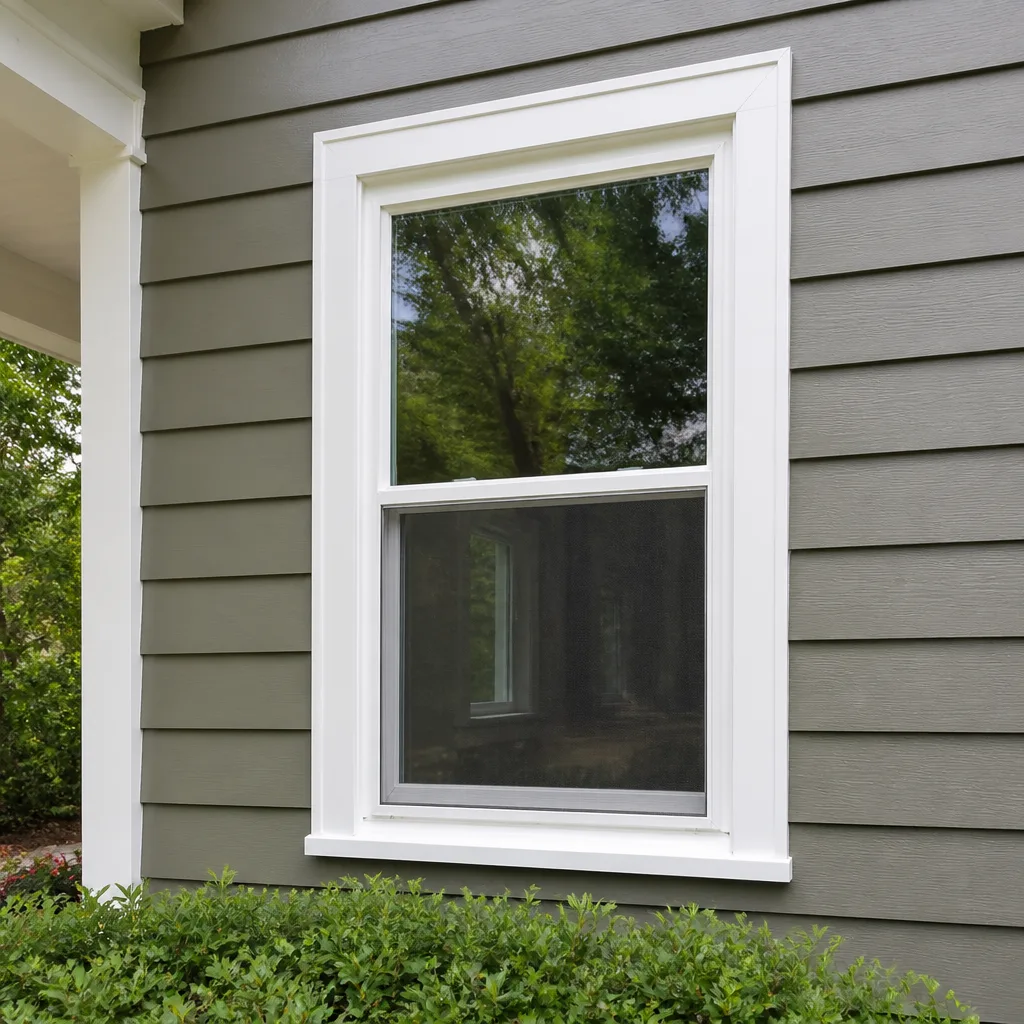 Single hung
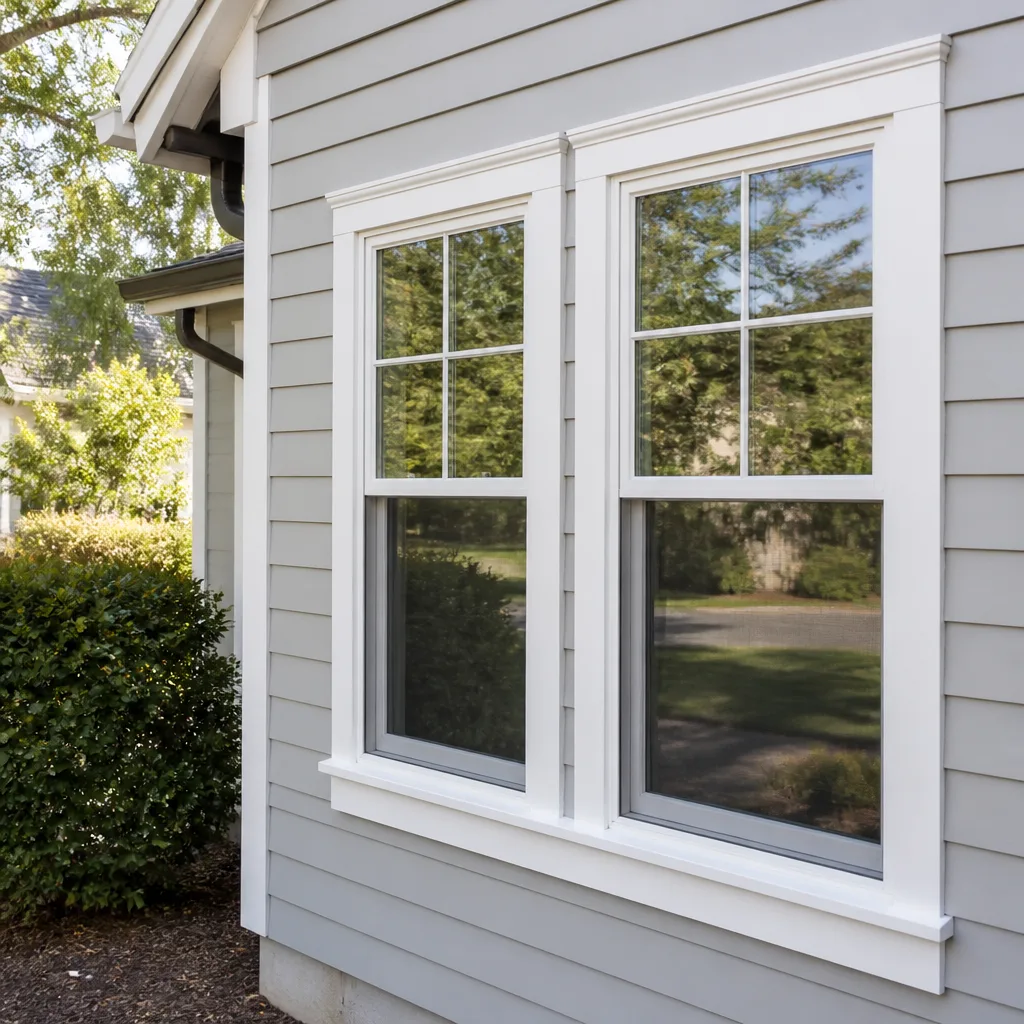 Double hung
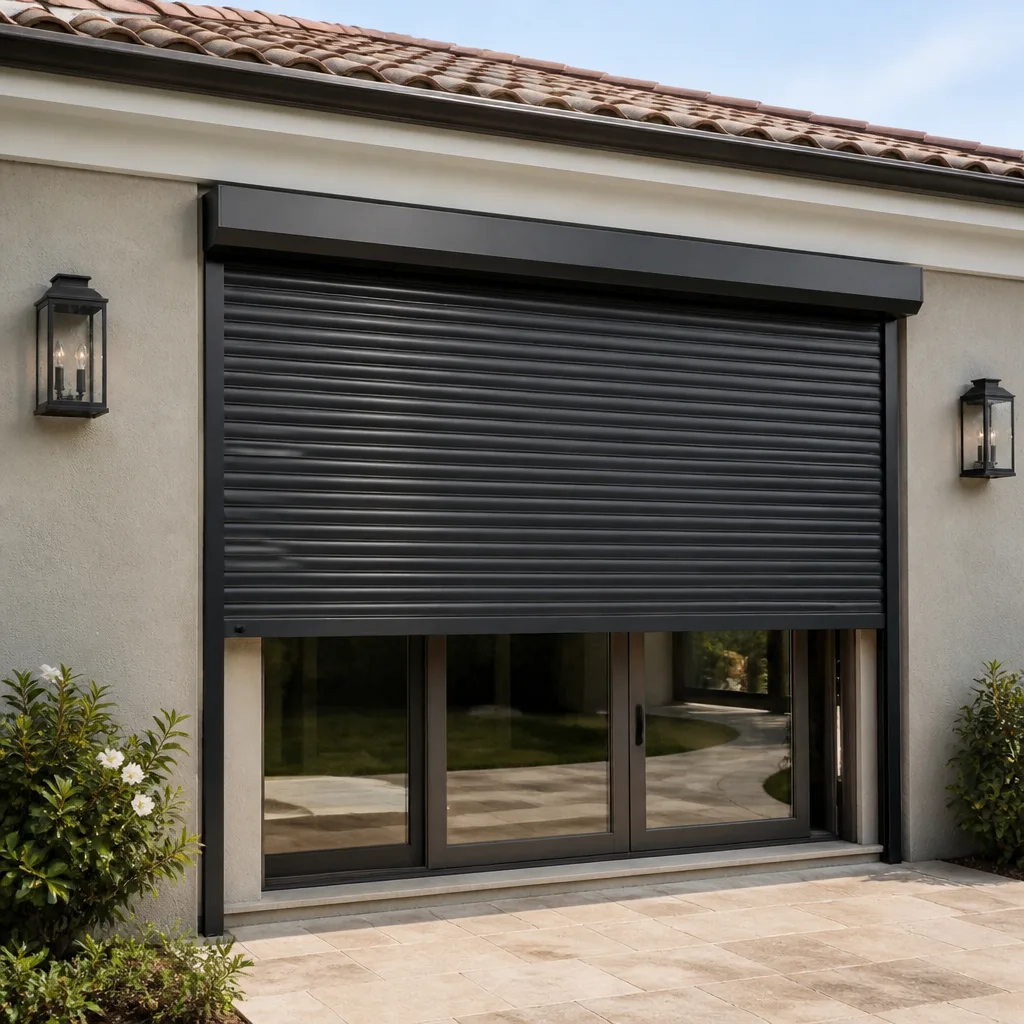 Horizontal roller
 Casement
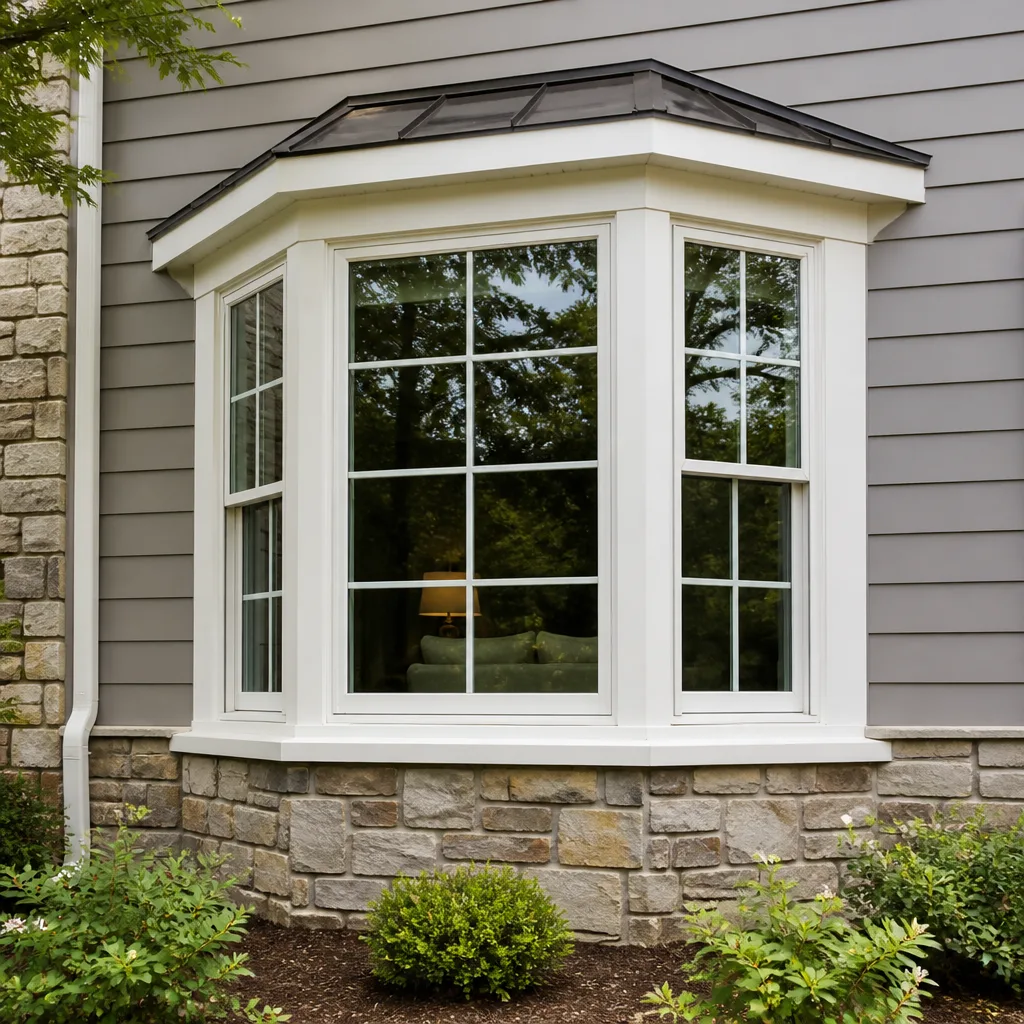 Bay & bow
 Entry doors
 Impact garage doors
 PGT
 CGI
Free in-home measure and quote - PGT, CGI and CWS impact lines compared on your actual openings, style by style
Get your free estimateSeasonal Windows & Doors Care for Summerlin: Year-Round Homeowner’s Guide
Most window and door maintenance calendars were written for places with four distinct seasons, and they’ll lead you astray in Summerlin. They tell you to caulk in fall and clean tracks in spring, which is close to backwards here. The real maintenance year in Summerlin runs on three forces: UV that peaks from April through September, monsoon moisture that arrives in July, and a short but genuinely cold December stretch that exposes every seal that summer already weakened. This guide lays out a month-by-month calendar built for that reality, explains why spring track cleaning matters more here than fall, and shows you what to check before each seasonal shift so small failures don’t become replacements.
Quick Answer
In Summerlin, windows and doors need their heaviest attention in spring (before UV peak and monsoon season), a second inspection in October (before the cold snaps), and light checks in between. Spring cleaning of tracks and weep holes matters more than fall cleaning here because summer dust and monsoon-driven debris are the real clogging threats, not autumn leaves. Weatherstripping, door sweeps, solar screens, and sealant joints should each be assessed twice a year at minimum.
Styles & brands we work with
- Single hung
- Double hung
- Horizontal roller
- Casement
- Bay & bow
- Sliding glass doors
- Entry doors
- Impact garage doors
- PGT
- CGI
Table of Contents
- Why the Standard Four-Season Maintenance Calendar Doesn’t Fit Summerlin
- The Summerlin Month-by-Month Windows & Doors Calendar
- Why Spring Track and Weep Hole Cleaning Matters More Than Fall in Summerlin
- Solar Screen Condition Before Peak Summer: What a Degraded Screen Actually Costs You
- October Door Threshold and Sweep Inspection Before Heating Season
- What Low Desert Humidity Does to Wood Door Components Over Winter
- Monsoon Prep: What to Check on Windows and Doors Before July
- Repair or Replace? Reading the Signals After a Full Seasonal Cycle
Why the Standard Four-Season Maintenance Calendar Doesn’t Fit Summerlin
Nearly every seasonal maintenance guide you’ll find online was written for a climate with hard freezes, humid summers, and a long leaf-drop season. Summerlin doesn’t work that way. Our damaging season is the hot one, not the cold one. From April through September, ultraviolet exposure is the primary stress on weatherstripping, glazing seals, solar screens, and painted surfaces. July through September brings monsoon moisture, which drives wind-blown dust and debris into tracks and weep holes. October and November deliver a rapid thermal swing as daytime highs fall and overnight lows drop into the 40s and below, which is when every aged seal gets tested at once. December and January bring overnight lows in the mid-30s, cold enough to expose gaps but rarely cold enough to freeze a pipe in a wall.
That means the priorities shift. Fall caulking, the standby advice for rainy climates, does little good here because the moisture threat is concentrated in late summer. Spring caulking before monsoon season is the useful version. Fall leaf cleanup of gutters and window wells is nearly pointless in a low-desert landscape. Spring dust removal from tracks and weep holes is essential. If you’ve been following a Pacific Northwest or Midwest maintenance schedule, you’ve been doing the right work in the wrong months.
The other piece that gets missed: our housing stock. Summerlin’s neighborhoods, from The Ridges to Red Rock Country Club to Sun City Summerlin, sit at varying elevations along the valley’s western edge. Homes at higher elevation inside Summerlin see sharper overnight temperature swings and more wind exposure than homes closer to the valley floor. That swing stress is what shortens the life of exterior seals and door sweeps faster than the calendar would suggest.
The Summerlin Month-by-Month Windows & Doors Calendar
Here is the maintenance year as it actually plays out in Summerlin. Use this as your planning grid rather than a generic spring-and-fall list.
- January: Inspect door sweeps and thresholds after the coldest stretch. Cold-snap drafts that appeared in December need attention now, before the second cold wave. Check for condensation on interior glass, a sign of failed seals.
- February: Clean window tracks and weep holes after winter dust accumulation. Check exterior sealant joints for cracking from winter temperature swings.
- March: Pre-summer solar screen inspection. Check screens for tears, sagging, or sun-bleached fabric. Re-caulk any exterior joints showing hairline cracks before UV peak begins.
- April: UV peak season starts. Inspect weatherstripping on all exterior doors. Lubricate window and door hardware. Verify that every sliding glass door track drains freely.
- May: Second solar screen check, especially on south- and west-facing windows. Clean glass on both sides to remove winter dust film that traps heat.
- June: Pre-monsoon prep. Clear weep holes of debris. Inspect window and door frames for loose fasteners or gaps at the wall interface.
- July: Monsoon season begins. After any wind-driven rain event, check tracks for standing water and clear weep holes immediately. Confirm interior seals aren’t letting wind-driven moisture past the frame.
- August: Continue monsoon checks. Inspect window screens for dust and debris that block airflow when you’re trying to ventilate on cooler mornings.
- September: Final monsoon check. Begin fall prep. Clean tracks thoroughly before the dry season returns.
- October: Thermal stress season. Inspect door thresholds and sweeps before heating season begins. Check weatherstripping on every exterior door. Look for gaps at the frame-to-wall joint.
- November: Re-check weatherstripping after the first cold snap. Inspect wood door components for shrinkage cracks. Confirm door hardware operates smoothly in cooler temperatures.
- December: Coldest month. Watch for condensation on interior glass, drafts at doors, and hardware that binds. If you see any of these, plan an inspection before January.
Why Spring Track and Weep Hole Cleaning Matters More Than Fall in Summerlin
In rainy climates, the conventional advice is fall cleanup, because autumn leaves and winter rain combine to clog window tracks and cause interior water damage. Summerlin doesn’t have that problem. We have a spring and summer dust problem instead, and it’s the more serious one here. Fine desert dust blows into tracks year-round, but the heaviest accumulation happens from March through June, right before monsoon rains arrive. A track packed with dust and a weep hole sealed with grit is the exact condition that lets monsoon-driven water back up against the frame and past the interior seal.
Cleaning tracks and weep holes in spring, before monsoon season, prevents that failure. Cleaning them in October does nothing for the wet season that already passed.
The practical process looks like this:
- Vacuum loose dust from the track with a brush attachment. Don’t blow it out with compressed air, which just pushes dust into the weep hole.
- Use a small brush or a pipe cleaner to clear the weep hole itself. Test that it drains by pouring a cup of water into the track; water should exit the exterior weep hole in seconds.
- Wipe the track with a damp cloth. Skip silicone sprays, which attract dust.
- Confirm that the sliding panel moves freely on the rollers. A gritty roller is a future replacement call.
- Repeat on every sliding window and sliding glass door in the house, including doors to the patio.
If a weep hole won’t drain, don’t force it. A stuck weep hole usually means debris has worked its way into the drainage channel inside the frame, and probing it can damage the seal. A technician can clear it and check whether the drainage path has been compromised. For homes across Summerlin, this spring-cleaning step is the single most effective thing you can do to prevent interior water damage during monsoon season.
Solar Screen Condition Before Peak Summer: What a Degraded Screen Actually Costs You
Solar screens are the most visually obvious window upgrade in Summerlin, and also the most commonly neglected. A screen that looks fine from the curb can be functionally degraded by the time April arrives. Sun bleaching, small tears, sagging fabric, and frame distortion all cut into the screen’s ability to reject solar heat. That matters here because the whole point of a solar screen is Solar Heat Gain Coefficient, the metric that describes how much solar heat passes through an opening. A fresh screen with intact fabric and a tight frame does its job. A degraded one does far less.
What to check before peak summer:
- Fabric integrity: Hold the screen up to bright light. Pinholes or visible weave distortion mean the fabric has thinned.
- Frame tension: Push gently on the screen from the outside. If it flexes more than a quarter inch, the fabric has stretched.
- Color: Compare the screen color to an unused section in a corner. Even sun-faded fabric that still looks intact has lost reflectivity.
- Coverage: Confirm the screen actually covers the full glazed area. A screen that’s shrunk half an inch at the edge leaves an uncovered strip that defeats the purpose.
Replacing a degraded solar screen on the west- and south-facing windows of a Summerlin home is one of the lower-cost improvements a homeowner can make before summer. The interior temperature difference between an intact screen and a degraded one on a June afternoon is measurable, and the comfort difference in the late afternoon is the reason many window replacement conversations here begin with the screens rather than the glass.
October Door Threshold and Sweep Inspection Before Heating Season
October is the month where Summerlin door maintenance earns its keep. Daytime highs are still warm but overnight lows drop fast, and that swing is the first real test of every seal since spring. The single most-missed item on the October checklist is the door threshold and the door sweep, the flexible strip at the bottom edge of an exterior door that keeps air and dust from coming in under the panel.
What a gap actually does: a visible gap under an entry door is more than a draft. It’s a continuous leak of conditioned air, and on a gas bill in a Summerlin home, it shows up across the whole heating season. You don’t need to measure the exact cost to know it matters; if you can see daylight under a closed door, you have a measurable loss. In our experience, a quarter-inch gap down the full width of an entry door is the difference between a door that seals and one that doesn’t, and it lives right at the threshold sweep.
The October inspection sequence:
- Close the door and look for daylight around the perimeter and under the sweep.
- Slide a piece of paper under the sweep. If it pulls out with no resistance, the sweep is worn.
- Push on the threshold from above. If it rocks, the threshold or the frame has loosened.
- Check the weatherstripping on the sides and top of the door. Brittle or detached stripping is a replacement item, not a repair.
- Look at the exterior seal at the frame-to-wall joint. October hairline cracks become full gaps by December.
Threshold and sweep replacement is one of the cheaper pieces of door maintenance, and it’s often part of the same visit that includes a Therma-Tru entry door consultation when the underlying door itself has aged past what a sweep can fix. If you’re already planning a window installation for the fall, ask for a threshold inspection during the same appointment. Bundling the two means one visit handles both the glass and the door slab.
What Low Desert Humidity Does to Wood Door Components Over Winter
Homeowners from humid climates have never dealt with what happens to a wood entry door through a Summerlin winter. In a humid climate, wood swells. Here, it shrinks. Winter humidity in the Summerlin valley routinely drops low enough that wood door panels, frames, and stiles lose moisture and pull in on themselves. That produces conditions no humid-climate maintenance guide warns you about.
- Shrinkage cracks at panel joints: Panels pull back from the stiles, opening hairline gaps that look alarming but are usually cosmetic.
- Door sticking at the lock and hinge side: As the door slab shrinks, the alignment of the lock and strike plate can shift, and doors that swung freely in September stick or latch hard by November.
- Weatherstripping compression loss: Stripping that fits snug in summer no longer compresses against a shrunken door, so drafts appear exactly when heating season starts.
- Finish micro-cracking: A factory finish that looked intact through summer can micro-crack along the stiles when the wood contracts, exposing bare wood to the winter dry air.
The fix isn’t complicated, but it has to be done in November, before the wood has fully dried out. Check the lock alignment first; if the door catches, the strike plate usually needs a small adjustment. Inspect weatherstripping at every door edge and replace anything that’s lost set. For painted wood doors, a light coat of exterior-grade finish on any exposed wood stops the shrinking cycle from repeating next year. Summerlin’s dry winters are hard on wood in ways the humid-climate advice simply doesn’t address, and a Therma-Tru fiberglass or steel entry, which doesn’t move with humidity the way wood does, is often the practical answer when a wood door has cracked for the third winter in a row.
If you’re comparing entry door options, our Summerlin Windows & Doors team handles full door slab replacement alongside window projects, so the exterior envelope of the home can be unified in a single engagement.
Monsoon Prep: What to Check on Windows and Doors Before July
Monsoon season in Summerlin runs from July through September, and it’s the one stretch of the year where windows and doors get tested by water rather than heat. Wind-driven rain hits at angles the frame wasn’t designed for, and if the weep holes, seals, and frame-to-wall joints are already compromised from spring UV exposure, that water finds its way in. Pre-monsoon prep in late June is what prevents a monsoon leak from turning into a repair.
The pre-monsoon inspection:
- Test every weep hole with a cup of water, as described in the spring track section.
- Inspect the exterior sealant joint at every window and door frame. Hairline cracking is normal by June and needs re-caulking before the rains.
- Check sliding glass door tracks for debris and confirm the rollers move freely.
- Look at window screens for tears or dislodged frames. A screen that blows out in a monsoon gust can damage the glass behind it.
- Close and latch every window fully. A window that latches tight seals far better against wind-driven rain than one that’s just pushed shut.
- Inspect the interior side of frames for any evidence of prior water intrusion, since the pattern usually repeats.
Most monsoon-related window and door problems we see started as a small seal failure that was visible in June and didn’t cause interior damage until August. If your home is at a higher elevation within Summerlin, the wind exposure during monsoon storms is more intense than down in the valley, so the frame-to-wall seal deserves a closer look than the general checklist suggests. For homes where the frames and glass are already past their service life, monsoon season is the wrong time to discover that, and the right time to plan a full window installation before the next wet season.
Repair or Replace? Reading the Signals After a Full Seasonal Cycle
Once you’ve completed a full maintenance year, you have real information rather than a guess. The question a lot of Summerlin homeowners end up asking is whether the home needs a repair or a replacement. Here’s how we help them sort it out.
Signals that a repair still makes sense:
- The frame is sound and square. Fogged glass on an otherwise solid unit is usually a glazing-seal problem, not a frame problem.
- Single-point draftiness at one door, where the weatherstripping or sweep has failed but the slab and frame are fine.
- Hardware that binds, which nearly always turns out to be an alignment or lubrication issue.
Signals that replacement is the better call:
- Multiple windows fogging between panes, which points to seal failure across a manufacturing batch rather than one unit.
- Frames that are cracked, out of square, or visibly bowed after the summer thermal cycle.
- Screens that are degraded and frames that have lost their seal at the same time, which usually means both glass and screen are past service.
- Utility spikes in December or January that trace to a home full of aged units rather than a single door sweep.
When replacement is the answer, having eight brands to choose from rather than one makes a real difference. We carry impact-rated and energy-efficient lines from ECO Window Systems, Mr-Glass, CWS, PGT, CGI, ES Windows, and ViewLux, so the recommendation is driven by the home’s performance needs and budget rather than what a single supplier happens to stock. Impact-rated options from multiple manufacturers, so you compare performance, not just price, and the conversation stays anchored to your home’s actual conditions.
Common Mistakes to Avoid
- Following a fall-cleanup schedule written for wet climates. In Summerlin, spring track and weep-hole cleaning before monsoon season is what prevents interior water damage; fall cleanup of window tracks does almost nothing here because the rain threat has passed.
- Skipping the October door inspection because “it’s not that cold yet.” The mid-30s overnight lows of December arrive fast, and weatherstripping tested in September may fail the first cold snap if it wasn’t checked in October.
- Ignoring solar screen degradation because the screens look fine from the curb. Sun bleaching and fabric stretching cut Solar Heat Gain Coefficient performance long before the screen looks torn, and you’ll feel it in July in the west-facing rooms.
- Clearing weep holes with a pressure washer or compressed air. Both drive dust deeper into the drainage channel; a brush and a cup of water are what actually work.
- Assuming a wood entry door is fine through the winter without an inspection. Desert humidity is low enough through the cold months that wood shrinks and finishes crack, and the damage usually appears as a stuck lock in November rather than a visible gap.
- Replacing a single fogged window before checking the rest of the house. Fogged glass across multiple windows usually means a manufacturing seal issue, not one bad unit, and replacing them one by one costs more over time.
- Putting off threshold and sweep work until the utility bill spikes. A visible gap under an entry door is a heating-season cost that shows up across months, and replacing the sweep is one of the cheapest fixes in the maintenance calendar.
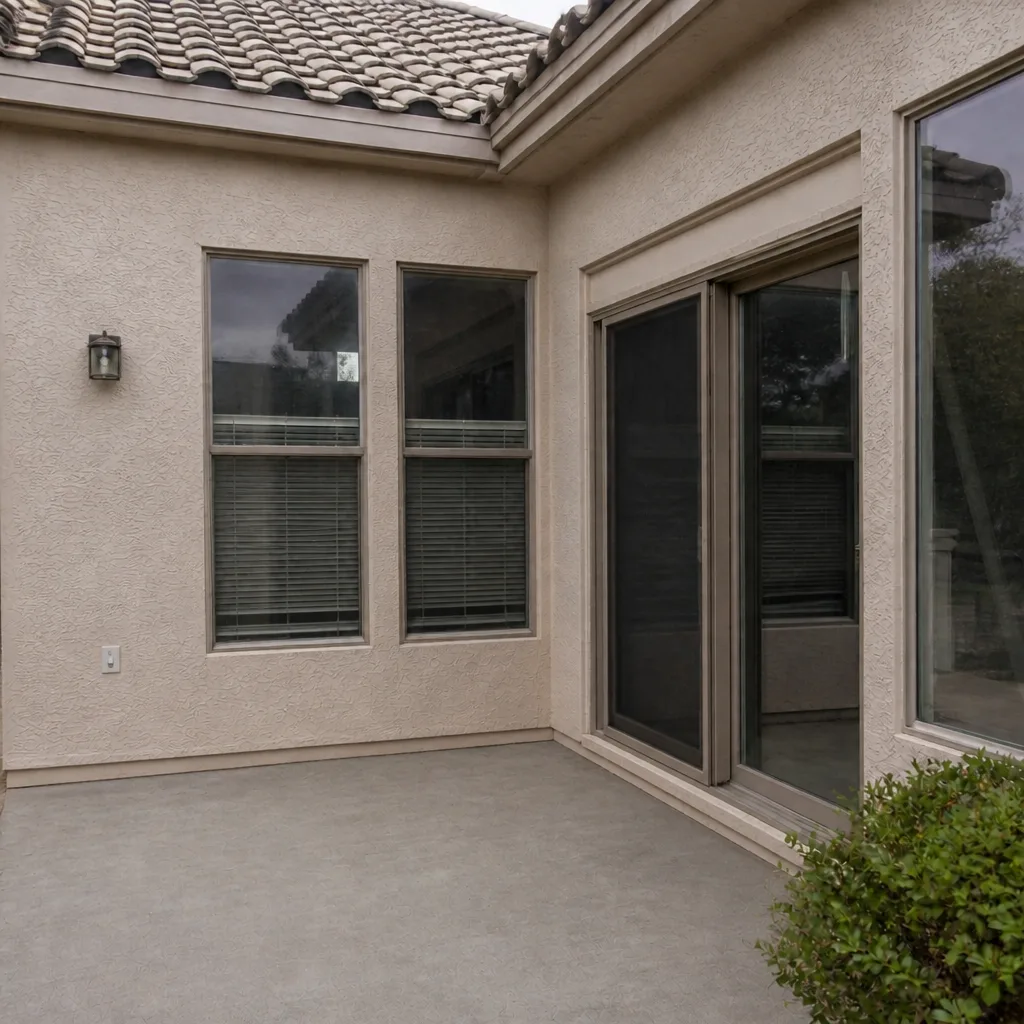
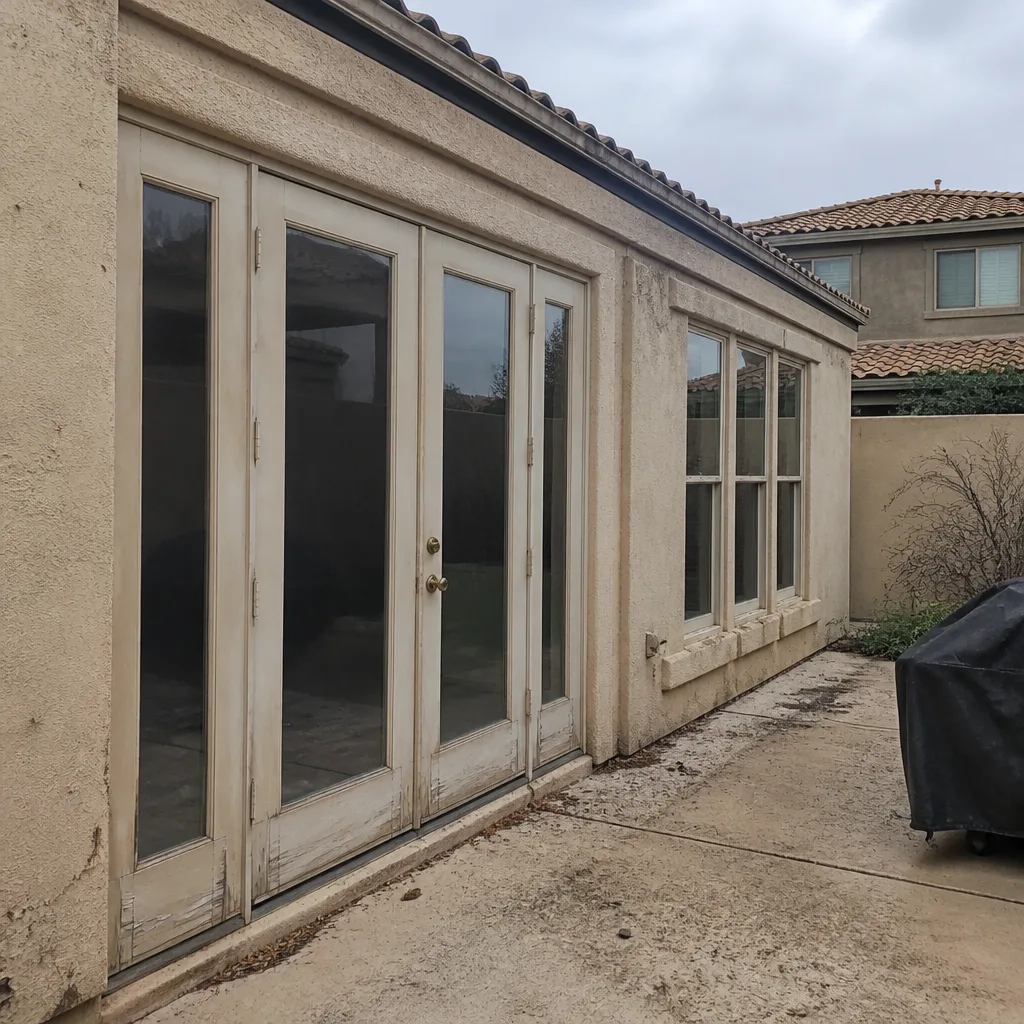
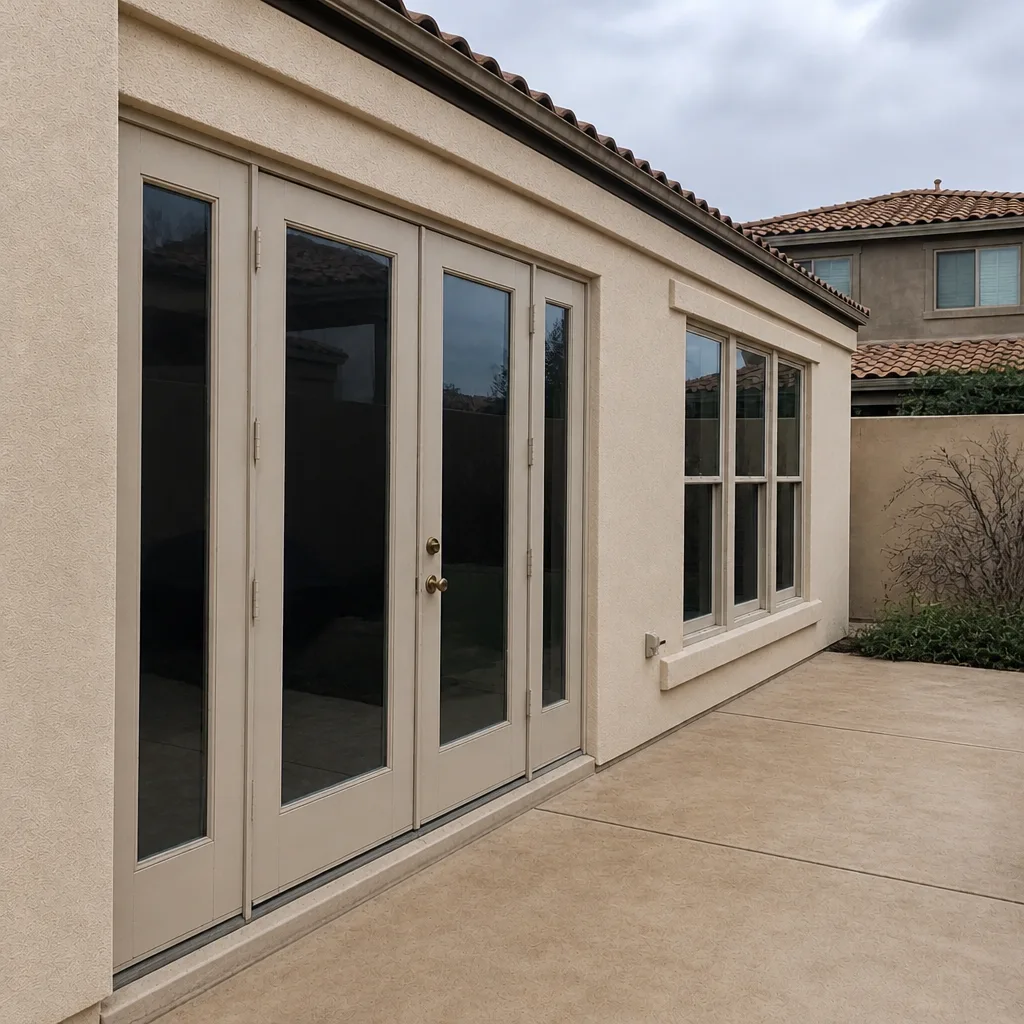
See the difference
 Before
 After
 Before
 After
 Before
 After
When to Call a Professional
Most of this guide is work you can do yourself with a brush, a cup of water, and a piece of paper to test the door sweep. Call a professional when the problem is beyond the surface. A weep hole that won’t drain after clearing, glass that has fogged between panes, a frame that has visibly bowed after a summer of thermal cycling, a door that won’t latch after weatherstripping has been replaced, or multiple windows showing the same failure are all signals that need a trained eye. Desert UV exposure and thermal swing also have a habit of hiding damage behind sealant that looks intact. Summerlin Windows & Doors offers free estimates in Summerlin. Our technicians have up to 12 years of experience, and every project gets a written line-item quote that fixes the price before work starts. Call (844) 797-6754. We answer 24/7. Fast dispatch from 7am to 7pm, Sunday through Friday.
Frequently Asked Questions
Twice a year, with two to three light checks in between. The two anchor inspections are in spring (March through June, before UV peak and monsoon season) and in October (before the cold snaps). Everything in between is a quick visual check after big temperature swings or wind events. Homes at higher elevation within Summerlin benefit from closer attention because the temperature swing is sharper.
Because the water threat here is concentrated in late summer. Dust accumulates in tracks and weep holes from March through June, and monsoon-driven rain arrives in July. A clean track and an open weep hole in June lets that water drain out; a clogged one pushes water against the frame and past the interior seal. Fall cleanup happens after the wet season is over, so it does little for the year’s actual risk.
Hold the screen up to bright light, push gently on the fabric, and compare its color against an unused corner. Pinholes, visible weave distortion, or more than a quarter-inch of flex under gentle pressure all mean the screen has lost reflective and structural performance. Faded color is a sign of sun bleaching, and even a screen that still looks intact can lose a meaningful share of its heat rejection once the fabric has aged. For a full assessment on the west- and south-facing windows, call (844) 797-6754 for a free estimate.
Low humidity. Desert winter air is dry enough that wood panels, stiles, and frames lose moisture and pull in on themselves, opening hairline cracks at panel joints and shifting lock alignment. The cracking is usually cosmetic, but the same shrinkage can cause a door to stick at the latch, which is why a November inspection matters. If a wood door has cracked for multiple winters, a Therma-Tru fiberglass or steel entry door solves the problem because it doesn’t move with humidity the way wood does.
Most cities require a permit for window and door replacement, though the specifics vary by jurisdiction and by project type. Check with the City of Las Vegas building department or your specific jurisdiction before work begins; the permit requirement usually comes down to whether the replacement changes the opening size or the structural framing. We handle the permit question as part of the project planning for every Summerlin installation, so it’s asked and answered before work is scheduled. Call (844) 797-6754 for a free estimate and a written quote that spells out what’s included.
Repair is viable when the frame is sound and square and only the glazing seal has failed on a single unit. Replacement is the better call when multiple windows are fogging, the frames are cracked or bowed, or the units are past their service life. Fogged glass across a batch of windows usually points to a manufacturing seal issue rather than a one-off failure. A specialist can tell which category a home falls into during a free estimate; call (844) 797-6754 to schedule one.
The Bottom Line
The maintenance calendar for Summerlin isn’t a Pacific Northwest calendar with different weather. It’s built around UV peak in spring and summer, monsoon moisture in late summer, thermal stress in October and November, and dry wood stress in winter. Spring track and weep hole cleaning matters more than fall, because that’s what prevents monsoon water damage. Solar screens need inspection before April, not after. Door thresholds and sweeps need attention in October, because the December cold arrives fast. And wood doors need a November check because desert humidity does what humid-climate advice doesn’t warn about. Do these things on schedule and you’ll get years more out of the home’s windows and doors before replacement comes up. When replacement does come up, having eight brands to choose from means the decision stays yours, not the supplier’s.
Ready to plan the next step? Call (844) 797-6754 for a free estimate. We answer 24/7. Fast dispatch from 7am to 7pm, Sunday through Friday. Written line-item quotes, permits pulled and inspections passed on every installation.
Written by the team at Summerlin Windows & Doors.