Last updated November 17, 2026
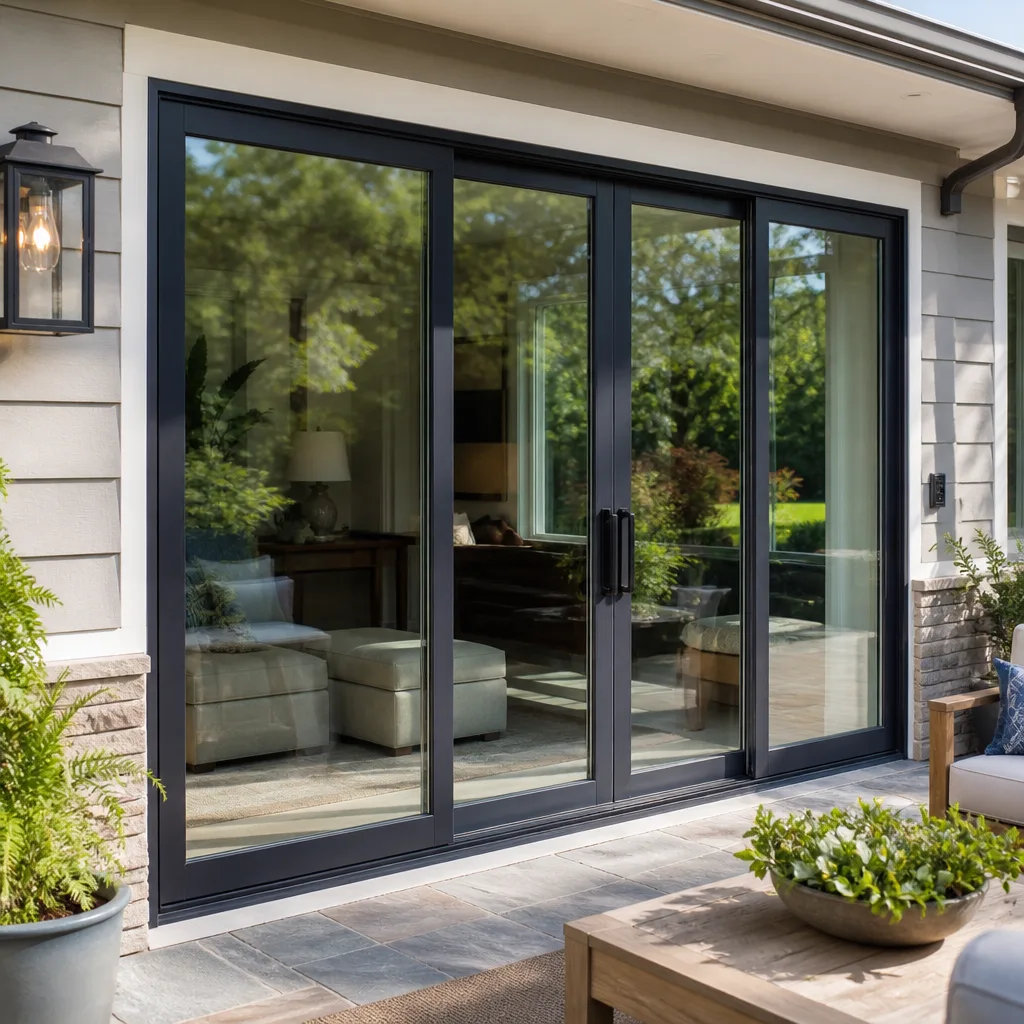 Sliding glass doors
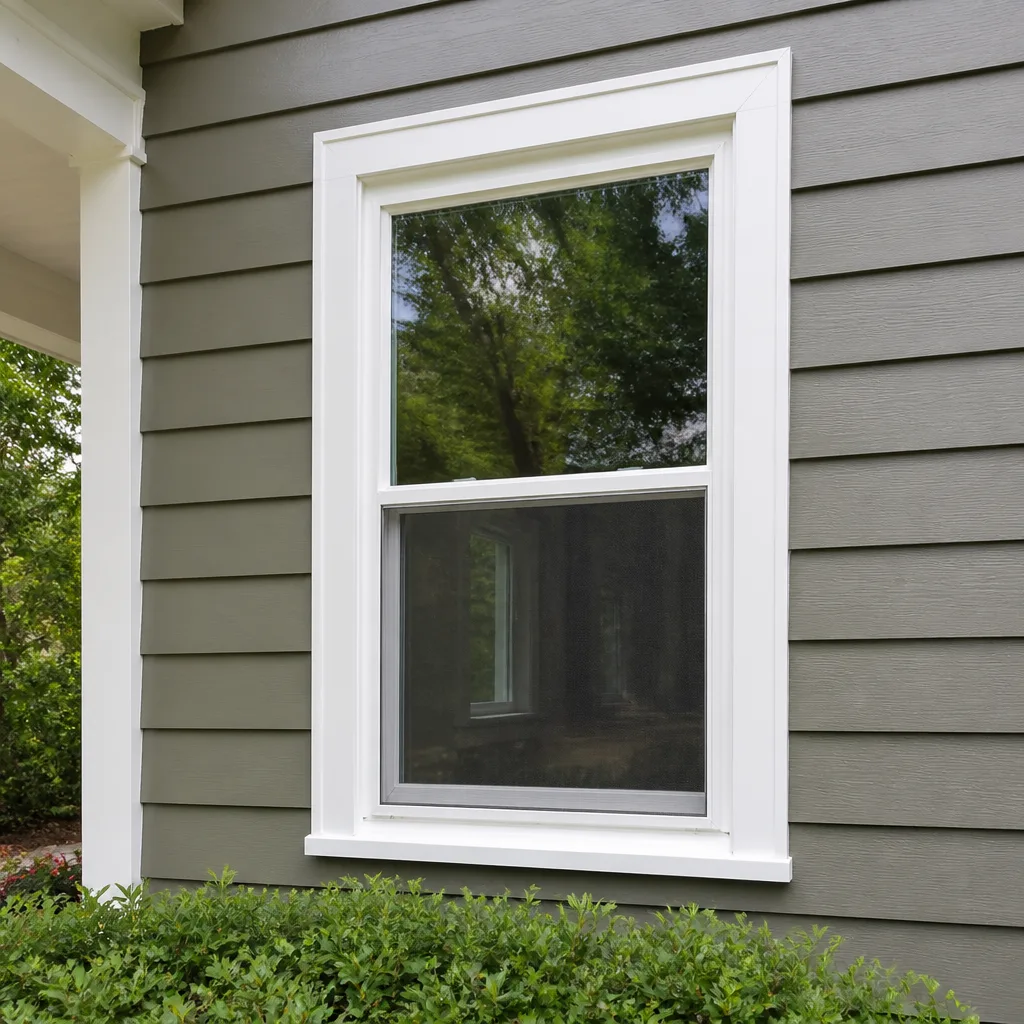 Single hung
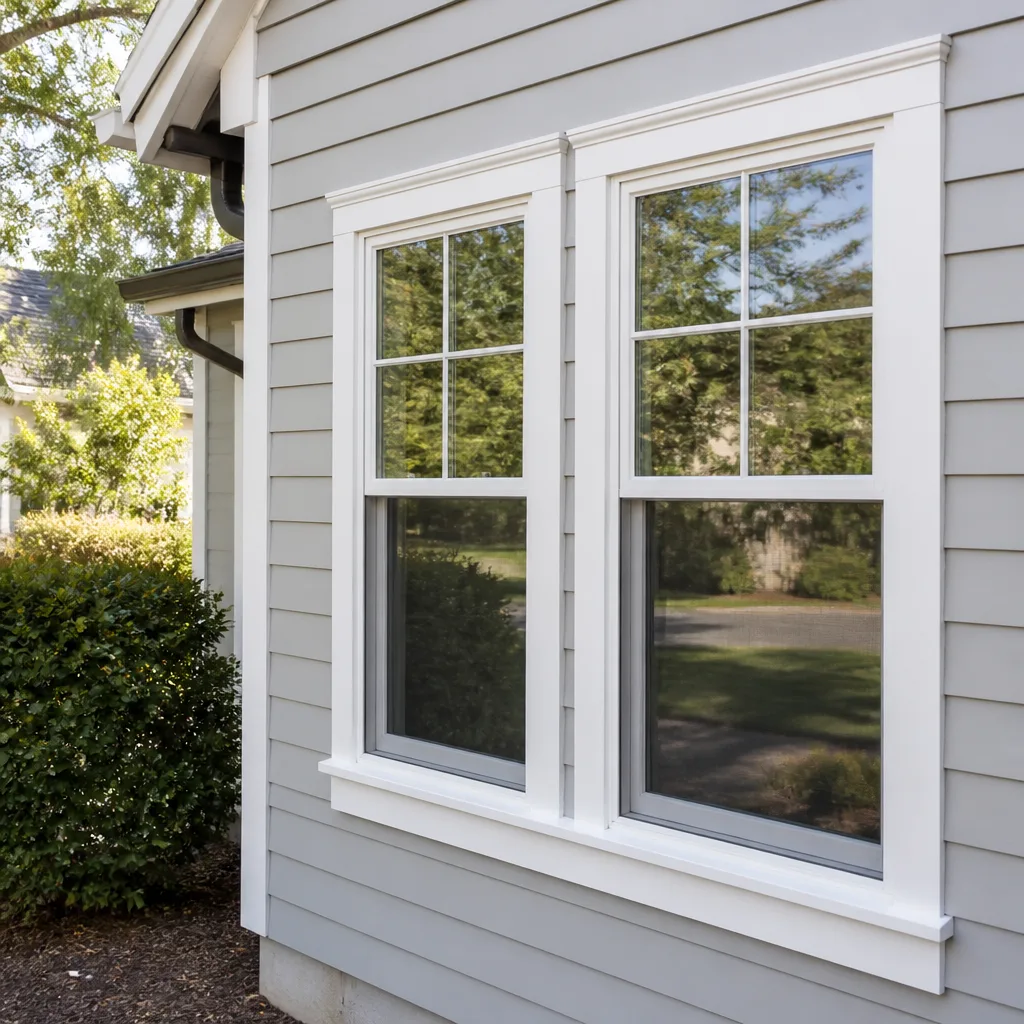 Double hung
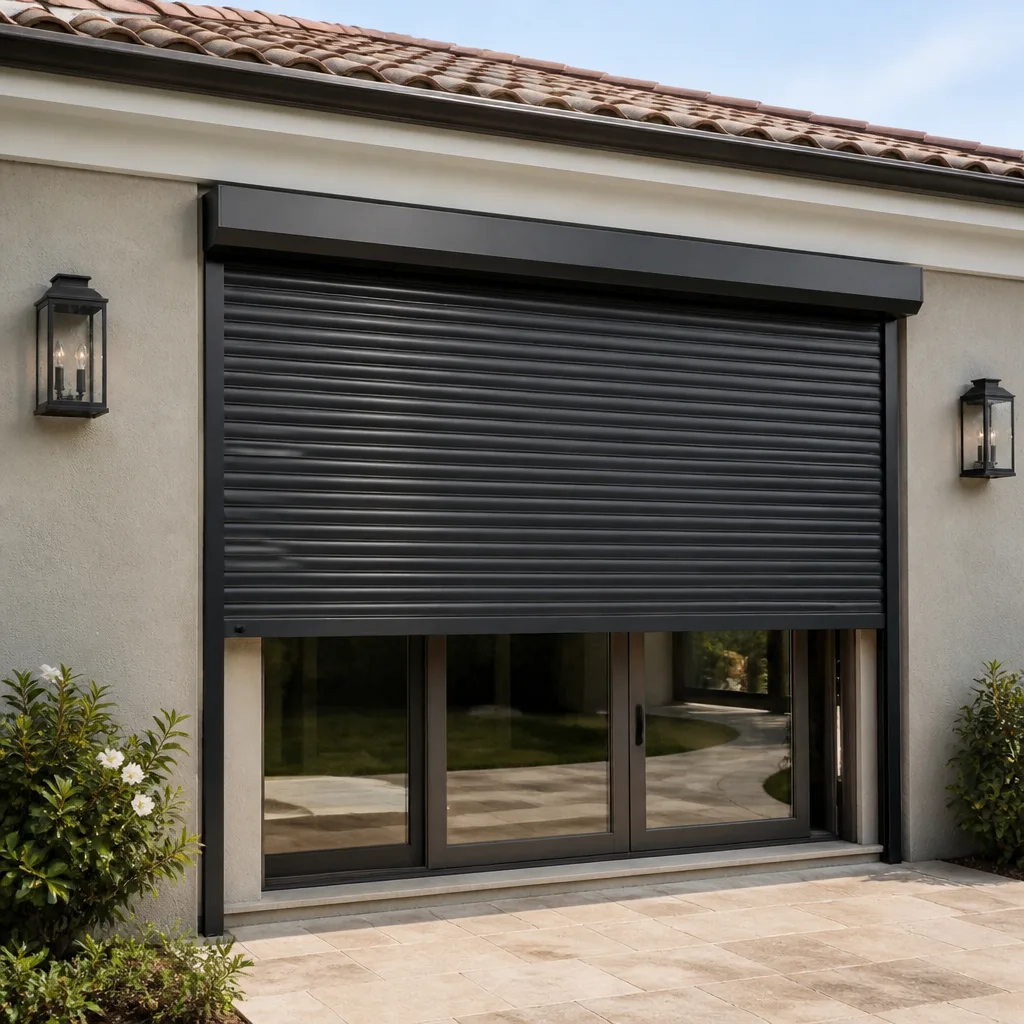 Horizontal roller
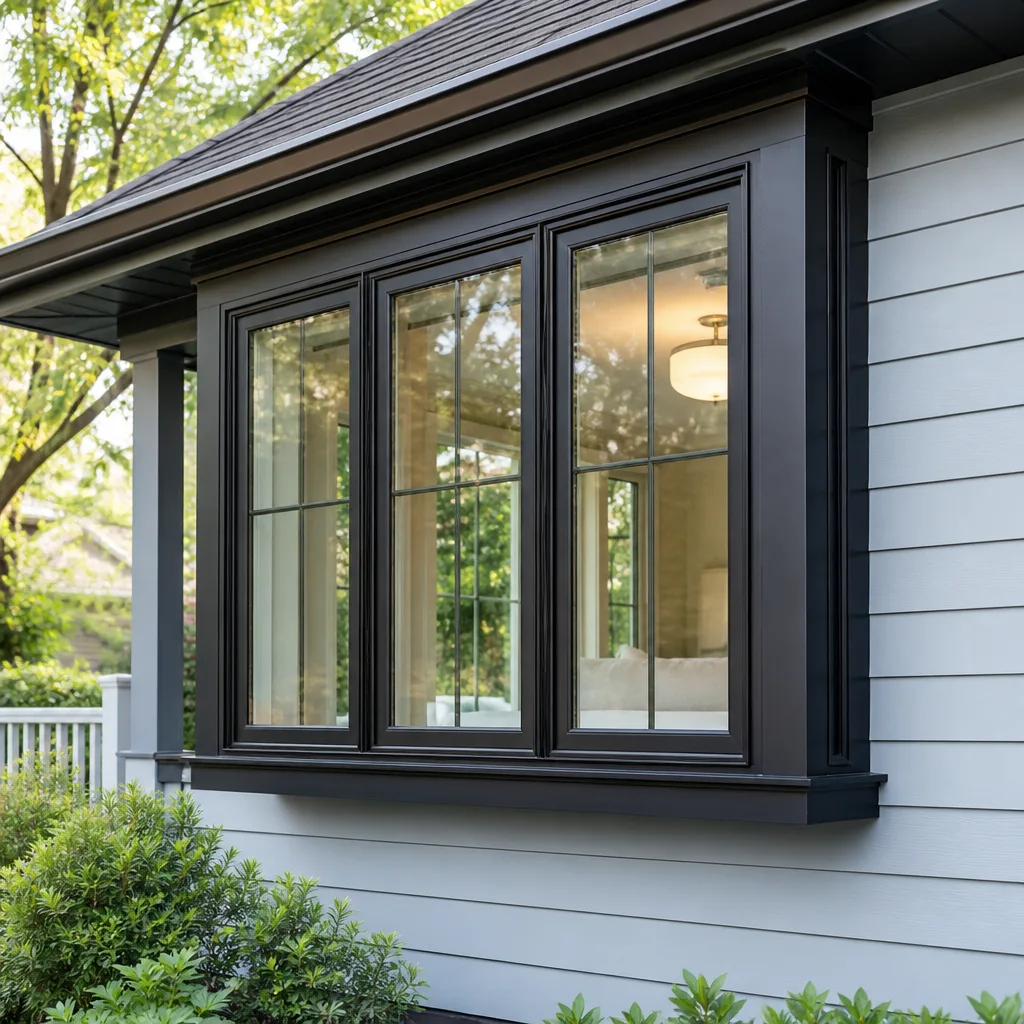 Casement
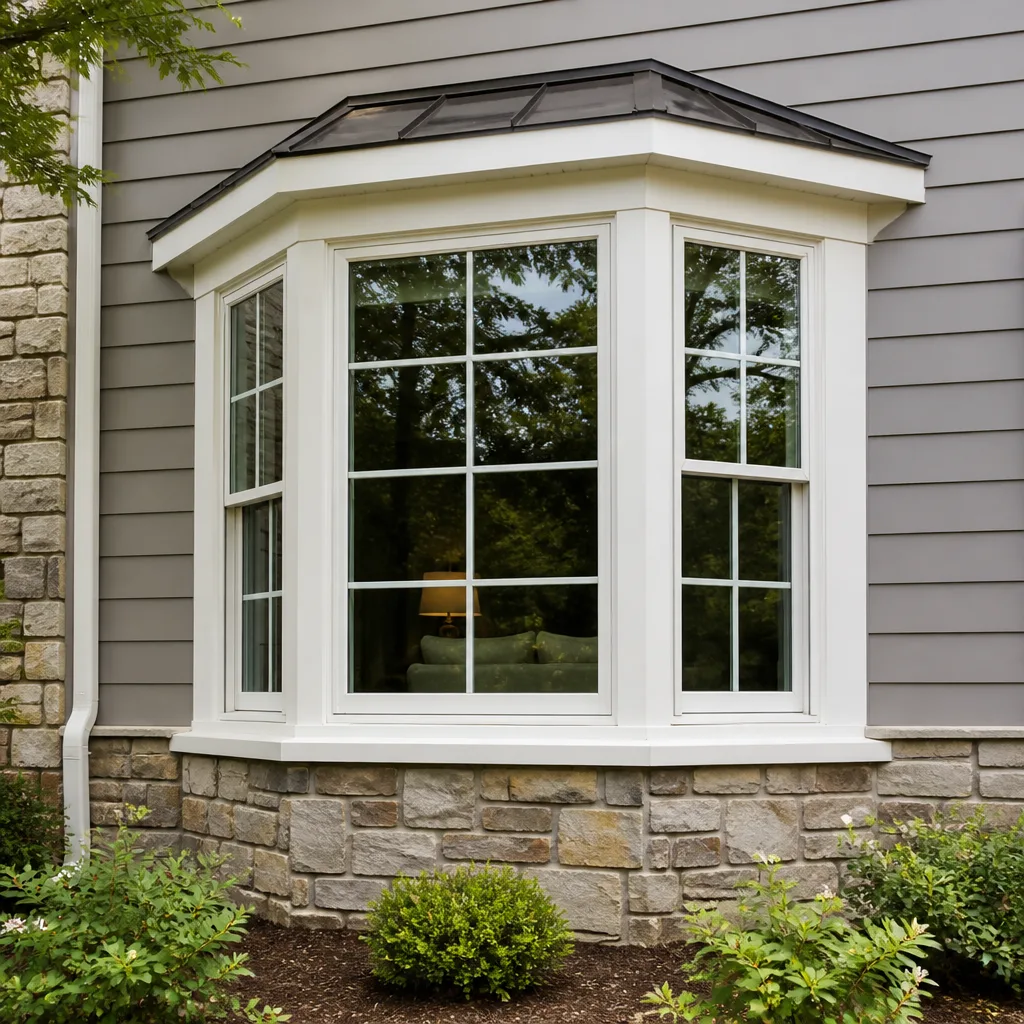 Bay & bow
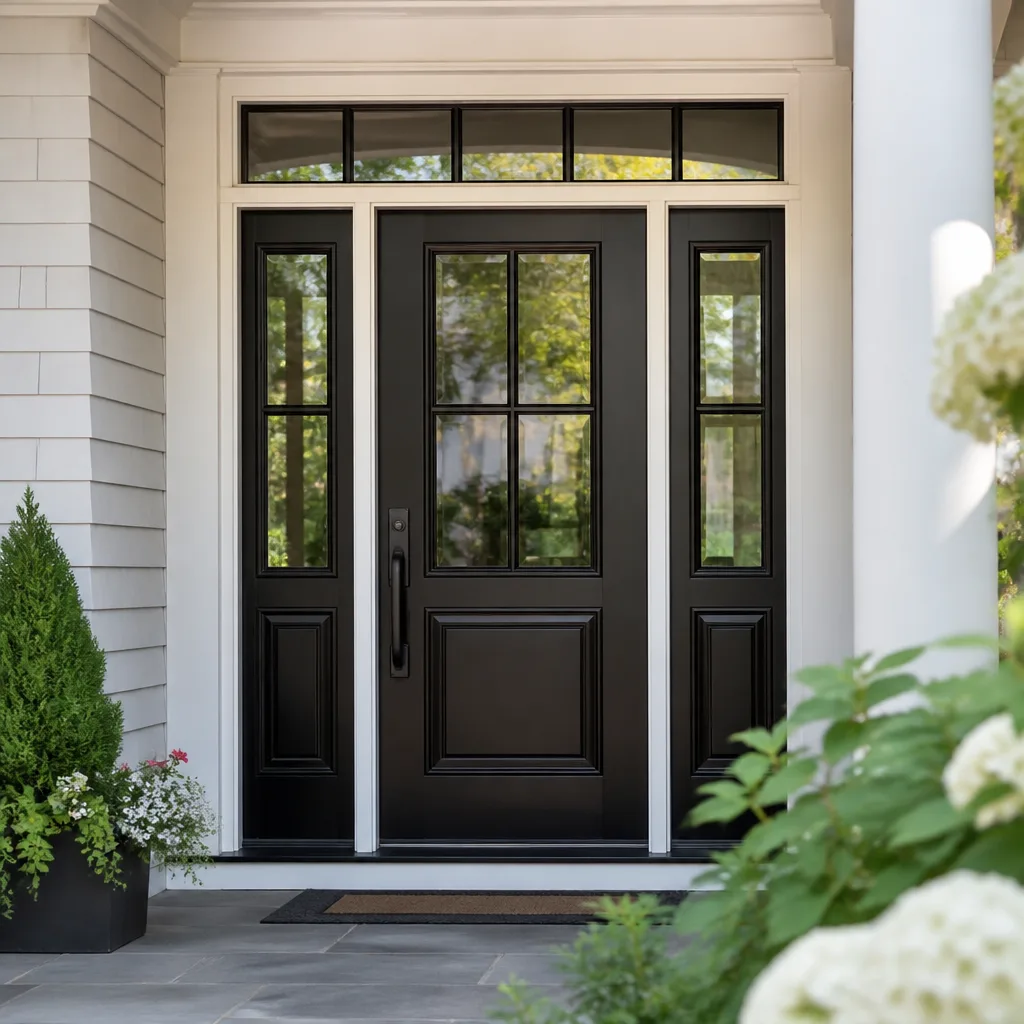 Entry doors
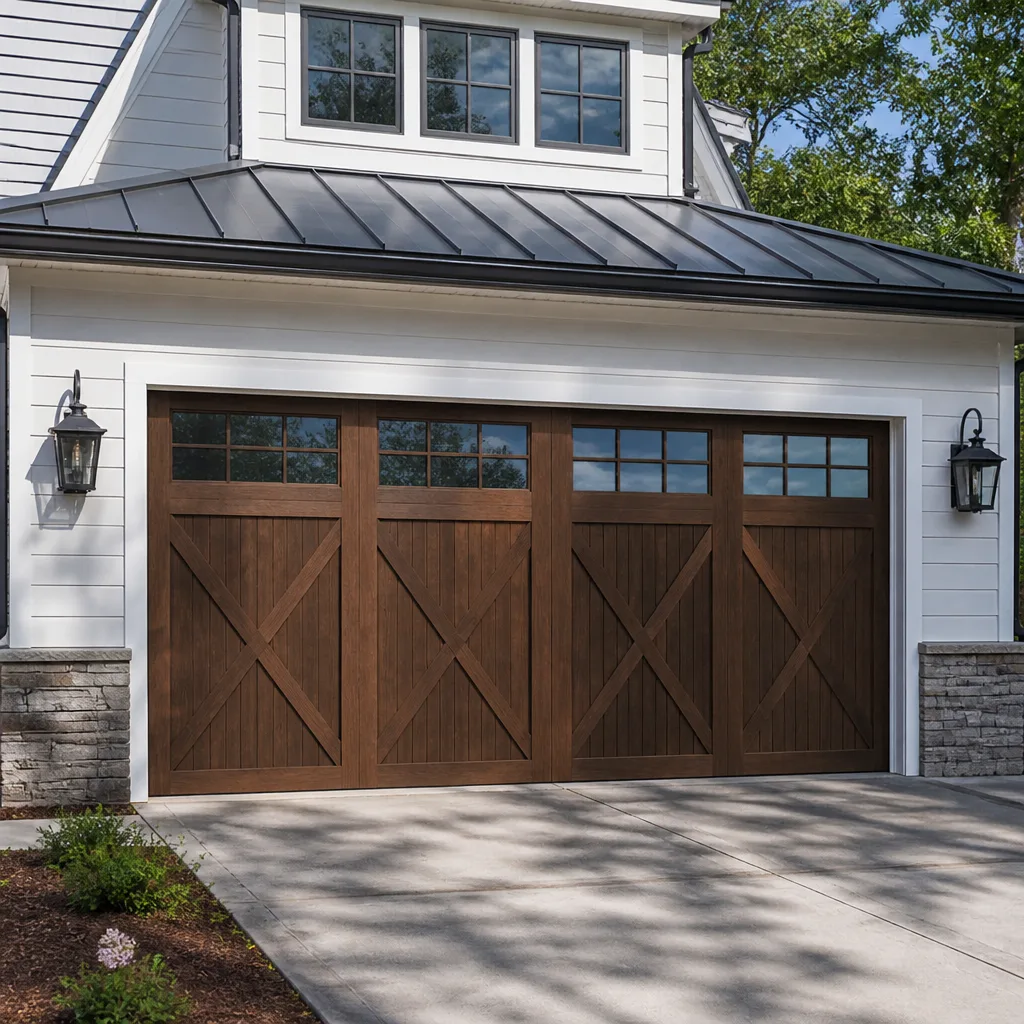 Impact garage doors
 PGT
 CGI
Free in-home measure and quote - PGT, CGI and CWS impact lines compared on your actual openings, style by style
Get your free estimateChoosing the Right Windows & Doors Brand: A Buyer’s Guide for Summerlin
Most homeowners start their window search with a brand name they saw on television or heard from a neighbor. That’s backwards. In Summerlin, the brand decision should start with glass performance numbers that most sales conversations skip, because three of the most heavily advertised window brands in the country don’t offer a standard glass package with a low enough solar heat gain coefficient to be the right first pick for a west-facing Summerlin exposure. That’s a fact you rarely hear in a pitch, and it matters more than the logo on the frame. This guide walks through the specs, the warranty fine print, and the questions that separate a real recommendation from a sales script.
Quick Answer
The right windows and doors brand for a Summerlin home is the one whose glass package meets Climate Zone 3B performance targets for your specific orientation (west-facing glass needs a lower solar heat gain coefficient than north-facing glass), whose warranty covers glass breakage and installation labor with clear transferability terms, and whose service network actually reaches the Las Vegas Valley. Brand reputation and price come after those three filters, not before. A multi-brand specialist can compare those specifications across manufacturers side by side; a single-brand contractor can only sell you what’s on their truck.
Styles & brands we work with
- Single hung
- Double hung
- Horizontal roller
- Casement
- Bay & bow
- Sliding glass doors
- Entry doors
- Impact garage doors
- PGT
- CGI
Table of Contents
- What Glass Specifications Should Filter Your Shortlist in Summerlin?
- Why Climate Zone 3B Changes the Brand Conversation
- Desert-Engineered Product Lines vs. Desert Packages
- How to Compare Manufacturer Warranties Across Brands
- Regional Availability and the Service Network Problem
- What a Multi-Brand Specialist Does Differently
- Questions to Ask Before You Sign
- Doors, Entry Systems, and Matching the Whole Envelope
What Glass Specifications Should Filter Your Shortlist in Summerlin?
Three numbers do most of the work: solar heat gain coefficient (SHGC), U-factor, and visible transmittance (VT). SHGC measures how much solar heat the glass lets in. U-factor measures how fast heat escapes. VT measures how much daylight comes through. In a desert climate, SHGC is the number that controls summer comfort and cooling bills, and it’s the number most brand brochures bury.
Here’s how to read each one before a brand ever enters the conversation:
- SHGC: Lower is better on west and south exposures. A brand that only offers a single baseline glass package may not get low enough for direct afternoon sun. Ask for the specific SHGC rating of the exact package being quoted, not a range.
- U-factor: Lower means better insulation value. In Summerlin, U-factor matters most on north-facing walls and in winter, when desert nights drop fast.
- VT: Higher means more daylight. A very low SHGC can make a room dim, so the right package balances heat rejection against light. Ask to see both numbers side by side.
Every manufacturer publishes performance data sheets for each glass package they offer, and those sheets are what you should be comparing. A brand’s marketing materials will tell you it’s energy efficient. The data sheet tells you whether it’s efficient enough for the specific wall of your specific house. In our experience, the homeowners who come to us with a shortlist built on SHGC and U-factor numbers end up with a much faster decision, because the brand conversation gets shorter and the fit conversation gets sharper.
Why Climate Zone 3B Changes the Brand Conversation
Summerlin sits in IECC Climate Zone 3B, the hot-dry designation. That single classification reframes almost every product decision. Zone 3B is defined by long cooling seasons and mild winters, which means the glass that performs best in Miami or Seattle is not automatically the glass that performs best here. A humid-climate package optimized for condensation resistance and winter heat retention is solving the wrong problem.
The practical effect is that brand shortlists should be filtered by what each manufacturer engineers for hot-dry conditions:
- Confirm the glass package is rated for hot-dry exposure. Ask directly whether the manufacturer offers a low-SHGC package designed for desert conditions, not one adapted from a humid baseline.
- Check frame material compatibility. Vinyl, aluminum, and fiberglass all respond differently to sustained heat cycling. The frame and glass have to be engineered as a system.
- Match the package to orientation. West and south glass wants lower SHGC; north glass can prioritize daylight. One blanket “energy-efficient” label doesn’t capture that.
- Verify the rating applies to the installed unit. A data sheet for the glass is not the same as the assembled window’s certified performance. Ask for the assembly-level rating.
Summerlin’s master-planned geography makes this easier to reason about than most cities, because so many homes share similar stucco construction, tile roofs, and large west- and south-facing rear elevations that take the full afternoon sun. That consistency cuts both ways: it means a well-chosen package performs predictably across many Summerlin neighborhoods, and it means a poorly chosen one fails visibly and quickly. When we walk a home’s exposures before quoting, orientation drives which of our eight brands we put forward first.
Desert-Engineered Product Lines vs. Desert Packages
This distinction separates serious brands from brands that chase every market. Some manufacturers engineer an entire product line for the desert Southwest, meaning the frame profiles, weatherstripping, glass coatings, and hardware are all specified for hot-dry conditions from the design stage. Others take a humid-climate baseline window and bolt on an optional “desert package” as an upgrade. Both can work, but they aren’t the same product, and the sales conversation often blurs them.
How to tell the difference:
- Ask what changes between the standard and desert versions. A true desert-engineered line changes multiple components. A bolt-on package usually changes the glass coating and little else.
- Compare the printed specs of each version. If the desert package’s SHGC doesn’t drop meaningfully below the baseline, the add-on is mostly a label.
- Ask about the warranty’s coverage for the desert version. Separate product lines are usually tested as complete assemblies; bolt-on upgrades sometimes fall into a gray zone for coverage.
- Check hardware and seal specifications. Heat and UV cycling stress gaskets and hardware. Desert-rated components should have their own specs.
This is where carrying competing manufacturers matters more than any single brand relationship. Because our line card spans brands that take different engineering approaches to the desert market, we can put a genuinely desert-engineered product next to an adapted humid-baseline product and show the specification differences on paper. That comparison is hard to make from a single-brand showroom, where every window is “the best option” for the same reason: it’s the one available.
How to Compare Manufacturer Warranties Across Brands
“Lifetime limited warranty” is the most over-interpreted phrase in this trade. Across the brands we install, the word “lifetime” means very different things depending on three factors: what it covers, who it transfers to, and whether installation labor is included. A homeowner who signs on the strength of a “lifetime” claim without reading the coverage schedule is making a decision on the least comparable part of the offer.
Compare warranties on these four axes:
- Glass coverage. Some brands cover sealed unit failures and breakage; some cover one, not the other. Glass is the most likely failure point over a long timeline, so this clause matters first.
- Frame and hardware coverage. Look at what is explicitly excluded. Heat cycling and UV exposure are the desert-pressure points, so check that frames, seals, and weatherstripping are inside the covered list.
- Transferability. A warranty that expires when the home sells has far less resale value. Ask whether coverage transfers to a new owner and under what conditions.
- Installation labor. This is the clause most homeowners miss. Many manufacturer warranties cover parts only. Who pays to remove, replace, and re-seal a failed unit? Confirm whether labor is covered by the manufacturer, the installer, or neither.
Ask for the written warranty document for each brand you’re considering and read the coverage schedule, not the headline. In Summerlin, where many homes are sold within a decade, transferability deserves extra weight because the second owner benefits from a warranty the first owner paid for. Any reputable installer should be able to hand you the actual coverage document for comparison, and be willing to walk through what is and isn’t covered instead of summarizing it.
Regional Availability and the Service Network Problem
A brand with strong national advertising but no local service infrastructure creates a specific headache: when something goes wrong and a warranty claim is filed, who actually shows up? A nationally recognized name sold through outlets without a dedicated regional installer can leave a homeowner in a loop, calling a manufacturer who points to a distributor who points back to the installer who sold the job. That loop is easy to enter and hard to exit.
Before committing to any brand, confirm the service chain works in the Las Vegas Valley:
- Parts availability. Ask how long a common replacement part takes to arrive in this market. Different brands handle regional parts logistics very differently.
- Who handles warranty claims. Confirm whether the installer or the manufacturer owns the claim process, and get that in writing.
- Who performs the work. A brand’s spec sheet is not a service plan. Understand who will physically replace a failed unit and how that call gets started.
- Local service relationships. Ask whether the brand works with a stable network of regional installers, and whether the installer you hired is part of that network.
This is where a specialist operating in Summerlin has an advantage over a generalist or an out-of-area outfit: the service relationships are local, the parts route is regional, and the person who sold the job and the person who services it are reachable by the same phone call. A brand that works everywhere on paper isn’t the same as a brand that can support a claim in Summerlin without a runaround.
What a Multi-Brand Specialist Does Differently
A single-brand contractor’s recommendation has a structural limit: every problem gets solved with the product that contractor carries. That doesn’t make them dishonest, it makes them constrained. A multi-brand specialist starts from the opposite direction, matching the home’s exposures, budget, and performance goals to whichever brand among the eight available actually fits. The result is a recommendation driven by the homeowner’s needs rather than a supplier relationship.
The process looks different in three specific ways:
- Start with the exposures, not the product. We walk the home’s north, south, east, and west glass separately, then set performance targets for each before a brand name comes up. A home with west-facing rear glass gets a different recommendation than one with a shaded north rear wall.
- Compare name-brand to name-brand on the same spec sheet. Impact-rated and energy-efficient lines from competing manufacturers get evaluated side by side, which means apples-to-apples comparisons on SHGC, U-factor, and warranty coverage instead of a single set of numbers.
- Offer genuine price tiers within the same conversation. Eight brands spanning several performance tiers and price points means a homeowner can see the trade-off between, say, an entry-level energy package and a mid-tier product line, rather than deciding between the only product available and nothing.
Our trade focus sharpens this: every consultation, every installation, and every replacement is on windows or doors. We’re not a general contractor with a window line on the side, so the entire process runs on window and door knowledge. That’s the entire point of comparing across brands, and it’s what we mean by the right window for your home, not the only one we carry.
Questions to Ask Before You Sign
The interview runs both ways. Before any contract is signed, a homeowner should be able to ask these questions and get specific, written answers. If the answers are vague, that tells you something.
- What is the SHGC and U-factor of the exact package in this quote, and how does it compare to your other brands? If they only carry one brand, the second half of that question can’t be answered.
- Does the warranty transfer, and who pays installation labor on a claim? Ask for the warranty document, not a summary.
- Is this product line desert-engineered or a humid-climate baseline with a desert add-on? The spec sheet will confirm it.
- What happens if a unit fails four years from now? Ask for the specific process, not a general “we’ll take care of you.”
- Are the same people who sell the job the ones who handle claims? Local service relationships are the difference between a phone call and a loop.
- Can I see a sample of the actual frame and glass being quoted? A product sample tells you more about build quality than a brochure photo.
For a deeper walkthrough of the replacement process itself, our window replacement page covers measurement, removal, and installation sequencing. The brand decision is upstream of that; it’s what determines whether the process ends in a window you’re happy with in five years.
Doors, Entry Systems, and Matching the Whole Envelope
Windows get most of the attention in a brand conversation, but doors are a larger share of the home’s exterior opening area than many homeowners realize, and they perform on the same climate logic. A door with poor thermal performance undercuts a good window package. This is why we pair doors with window projects rather than treating them as separate jobs: the whole exterior envelope should be evaluated together, from the frame through the slab.
For entry and exterior doors, we work with Therma-Tru, one of North America’s most recognized entry door brands, alongside the window manufacturers in our line card. That gives a homeowner the ability to unify the look and performance specs of the whole exterior elevation: matching glass performance on the windows and the door lites, matching finish tones, and matching warranty expectations across the entire opening set. When we quote a door and windows together, the thermal package can be coordinated instead of assembled piecemeal.
On the impact side, the same logic applies. Our line card includes impact-rated product from multiple manufacturers, including ES Windows, ECO Window Systems, and Mr-Glass, so performance-critical installations can be compared across brands on verified specifications. If impact protection is part of the picture, that comparison should happen before price enters the conversation, because two “impact-rated” products can differ in rating class, hardware, and warranty coverage. For any new construction scope, our window installation page outlines how the spec decision feeds into installation sequencing.
Common Mistakes to Avoid
- Choosing a brand before choosing a glass package. Brand reputation shouldn’t decide a west-facing exposure; SHGC should. A brand name on the frame means nothing if the glass underperforms on the specific wall that takes the most sun.
- Reading the warranty headline and skipping the coverage schedule. “Lifetime” can mean parts only, no labor, non-transferable. Read the actual document, especially the transferability and installation-labor clauses.
- Accepting a “desert package” without comparing it to a desert-engineered line. Some upgrades are a glass coating; some are wholly different assemblies. The specification sheet tells you which one you’re buying.
- Ignoring the local service network during the sales process. A nationally advertised brand with no regional parts route and no local service relationships leaves you making the call on a future failure with nobody to make it to.
- Getting only one quote from a single-brand contractor. You can’t compare performance against a brand you were never shown. Get at least one quote from a multi-brand source.
- Treating the door as an afterthought. A premium window package paired with an underperforming entry door leaves a weak link in the envelope. Evaluate the whole opening set together.
- Comparing brands only on price. Price comparison without a spec comparison is not a comparison at all. Put the SHGC, U-factor, and warranty coverage side by side, then compare price.
See the difference
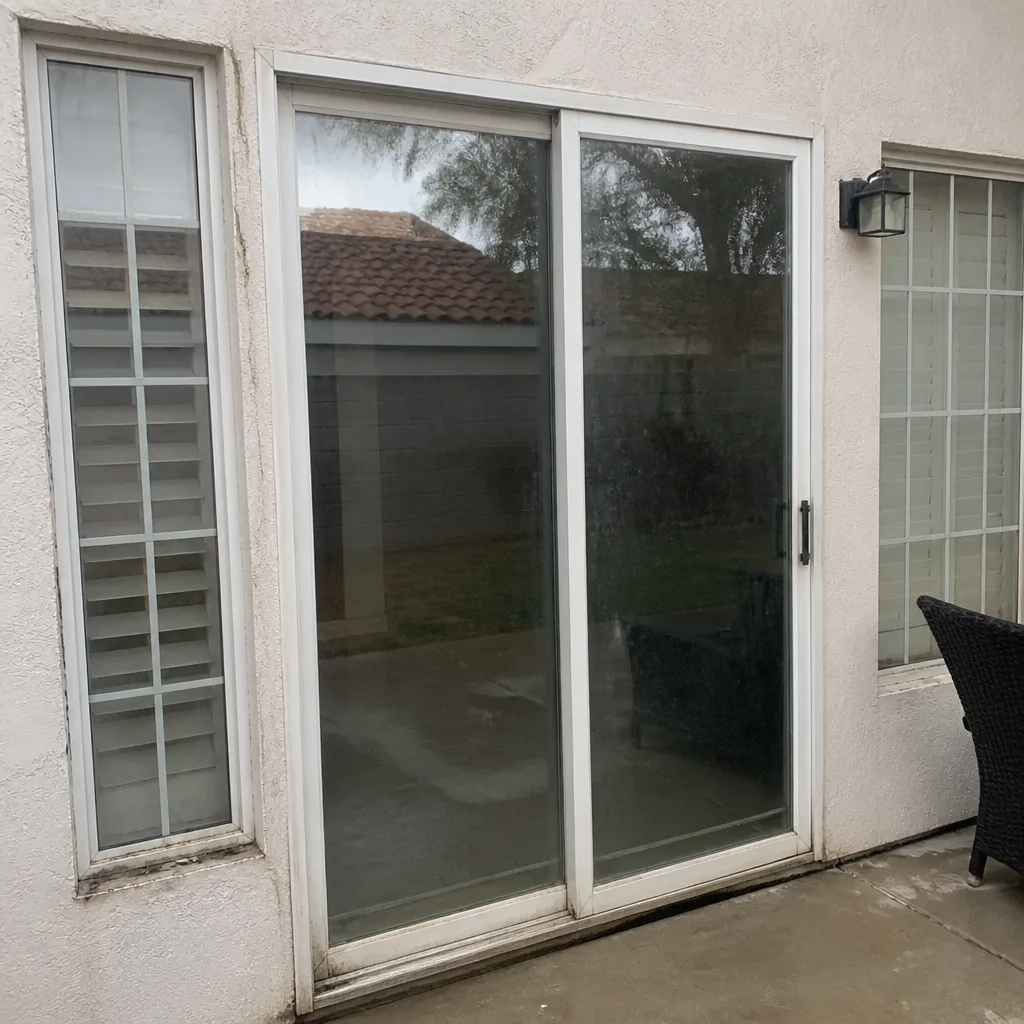 Before
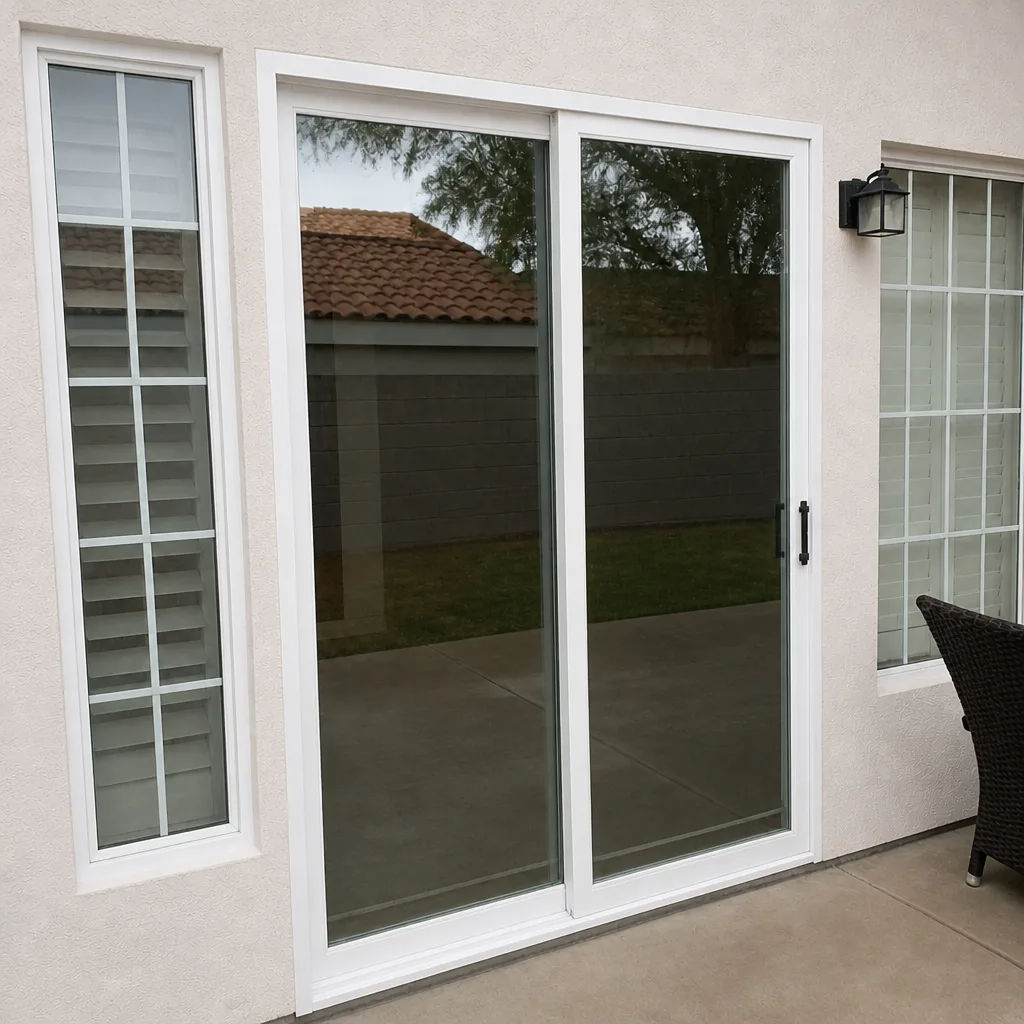 After
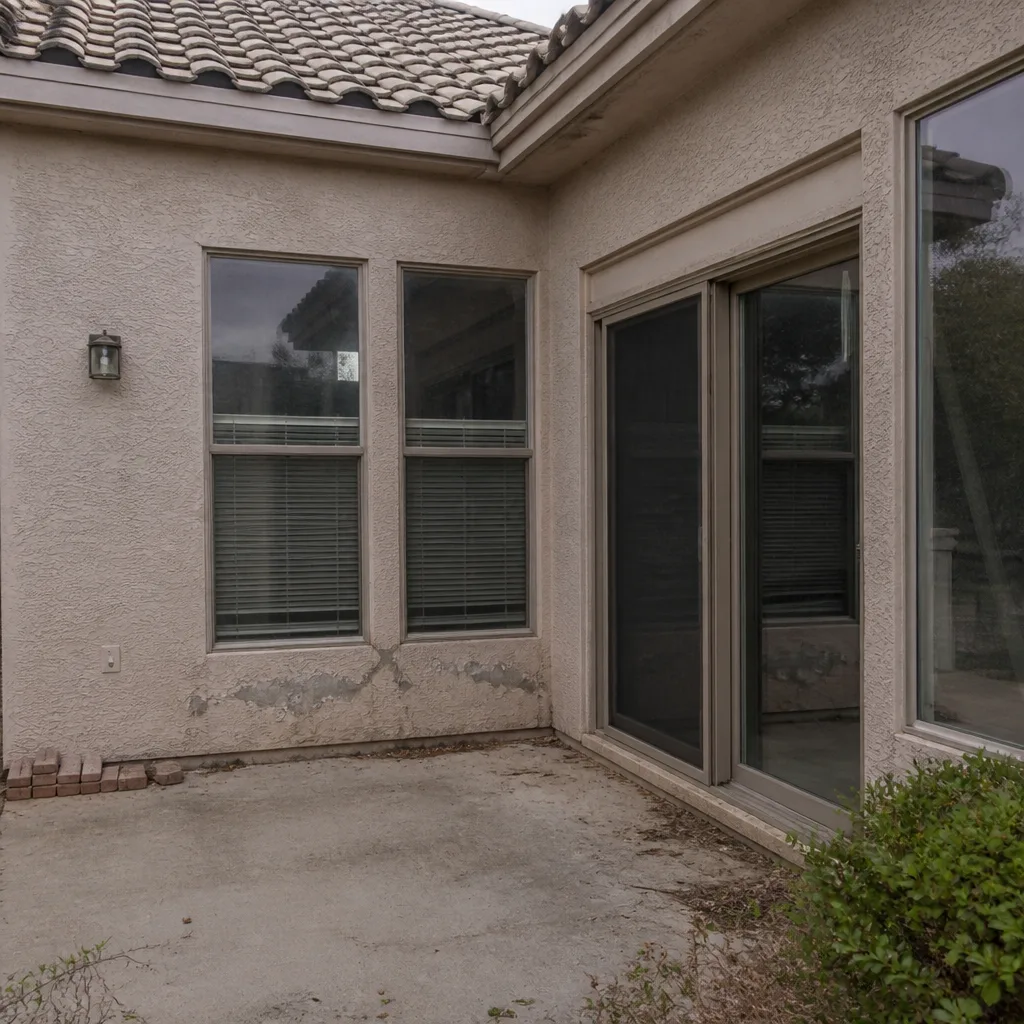 Before
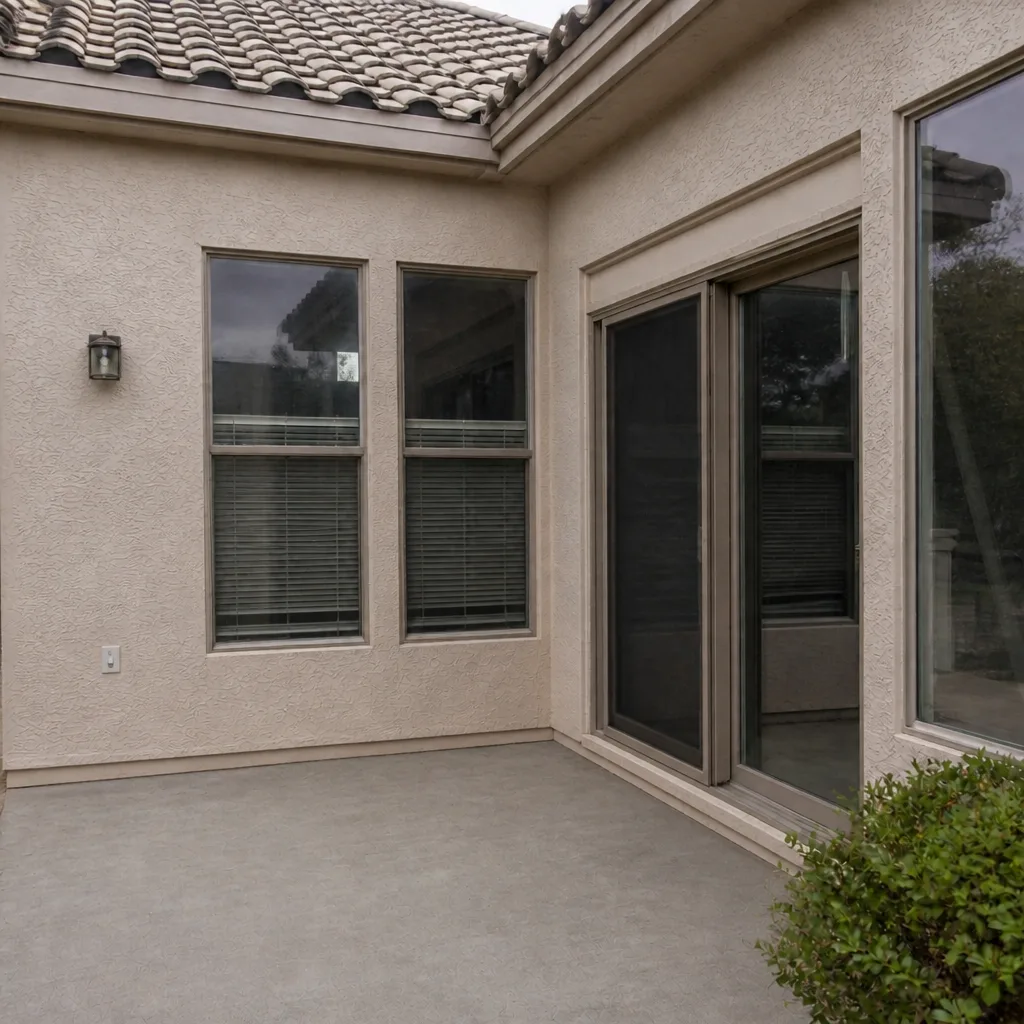 After
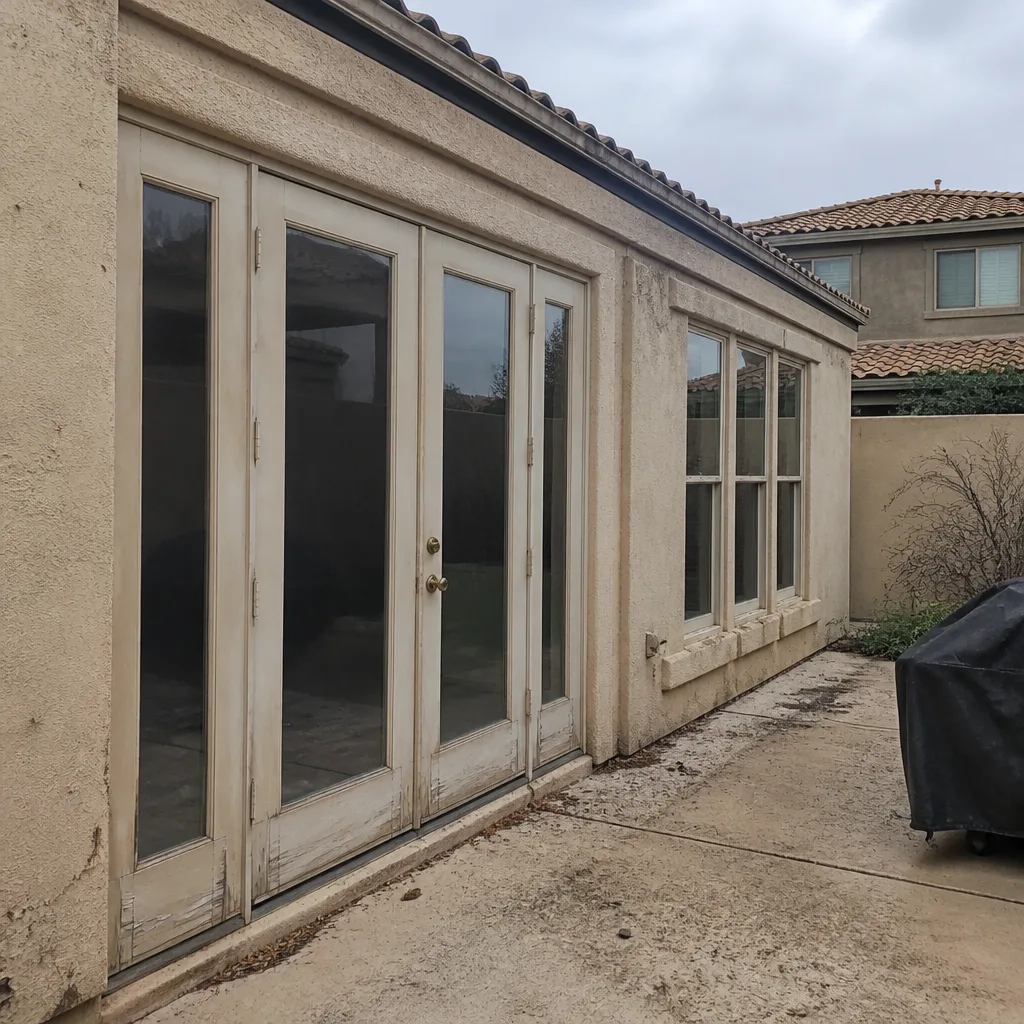 Before
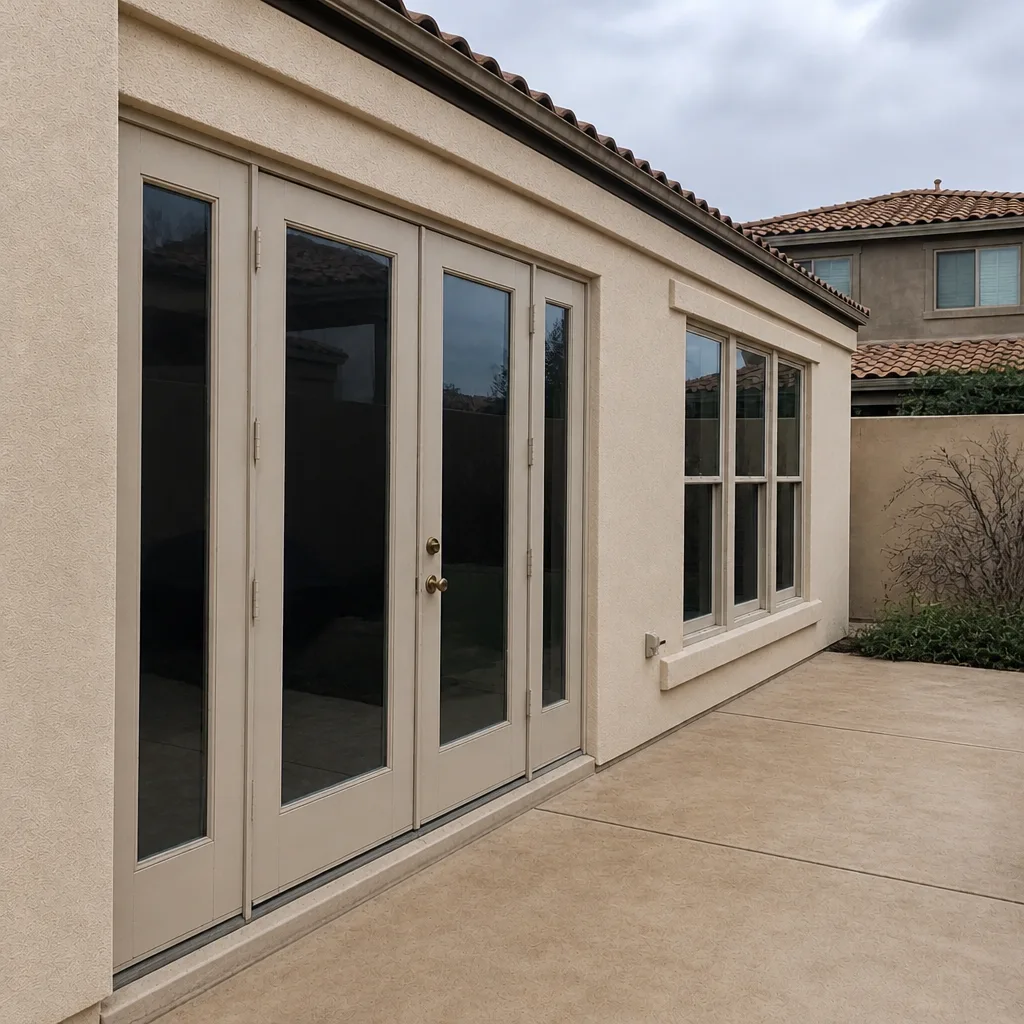 After
When to Call a Professional
You should call a specialist when the window or door decision involves performance specifications you can’t evaluate alone, when an existing unit shows seal failure, condensation between panes, or heat intrusion on a west-facing wall, when a warranty claim needs a service network that actually reaches Summerlin, or when you’re planning a replacement and want a brand comparison on paper before committing. A specialist is also the right call when you want the whole exterior envelope evaluated as one package, including doors, so the performance story is consistent across the whole elevation. Our technicians have up to 12 years of experience working on window and door installations, and our estimates are free. Summerlin Windows & Doors offers free estimates in Summerlin. Call (844) 797-6754. We answer 24/7. Fast dispatch from 7am to 7pm, Sunday through Friday.
Frequently Asked Questions
There’s no single best brand; the right pick depends on your home’s exposures, performance targets, and budget. A west-facing wall needs a glass package with a low enough SHGC for direct afternoon sun, and a north-facing wall can prioritize daylight instead. The most useful starting point is a multi-brand comparison that puts competing manufacturers’ spec sheets side by side, rather than the single product a contractor happens to carry. Call (844) 797-6754 to schedule a free estimate and see comparisons across our brands.
Get the exact SHGC and U-factor of the specific package being quoted, not a range, and match it to the exposure. West and south glass wants a lower SHGC to reduce heat gain; north glass can prioritize visible transmittance. Every manufacturer publishes the data sheet for each glass package, so ask to see the assembly-level ratings. For a fitting recommendation for your home, call (844) 797-6754 for a free estimate.
It depends entirely on the brand, and it rarely means “everything forever.” The differences usually come down to glass coverage, frame and hardware exclusions, whether the warranty transfers to a new owner, and whether installation labor is covered. Ask for the written warranty document, not a summary, and read the coverage schedule. Call (844) 797-6754 to schedule a free estimate and review warranty terms on the specific brands you’re considering.
No. A desert-engineered product line is specified for hot-dry conditions from the design stage, including frame profiles, seals, and glass. A desert package is usually an add-on to a humid-climate baseline product, and sometimes it changes only the glass coating. Compare the printed specs of both versions to see the actual difference. Call (844) 797-6754 if you want an apples-to-apples comparison for your Summerlin home.
Yes, and the effect is mostly about the local service network. A brand with strong national advertising but no regional parts route or local installer relationships can mean a long loop between manufacturer, distributor, and installer when a claim is filed. Before committing, ask who handles claims, how fast common parts arrive in the Las Vegas Valley, and whether the installer is part of a stable regional network. Call (844) 797-6754 for free estimate support on brands available here.
A real recommendation starts with your home’s exposures, sets performance targets for each wall, and compares name-brand against name-brand on the same spec sheet. A sales pitch usually starts with one brand and works backward. If a contractor can’t show you a second or third brand’s specification for comparison, the recommendation is constrained by inventory rather than by your home. Call (844) 797-6754 for an honest multi-brand comparison.
The Bottom Line
Brand selection in Summerlin should follow a fixed order: glass specifications first, warranty coverage second, local service network third, and then price and aesthetics. The brand comparisons that matter are SHGC, U-factor, and visible transmittance on the specific packages quoted; the coverage schedule on the warranty document; and the actual regional service relationships behind the name. A single-brand contractor can’t complete that comparison because the data isn’t in the room. A multi-brand specialist can. If you’re building a shortlist, start from specs, not reputation. Call (844) 797-6754 for a free estimate and a genuine cross-brand comparison for your home. We answer 24/7. Fast dispatch from 7am to 7pm, Sunday through Friday.
Written by the team at Summerlin Windows & Doors.