Last updated November 17, 2026
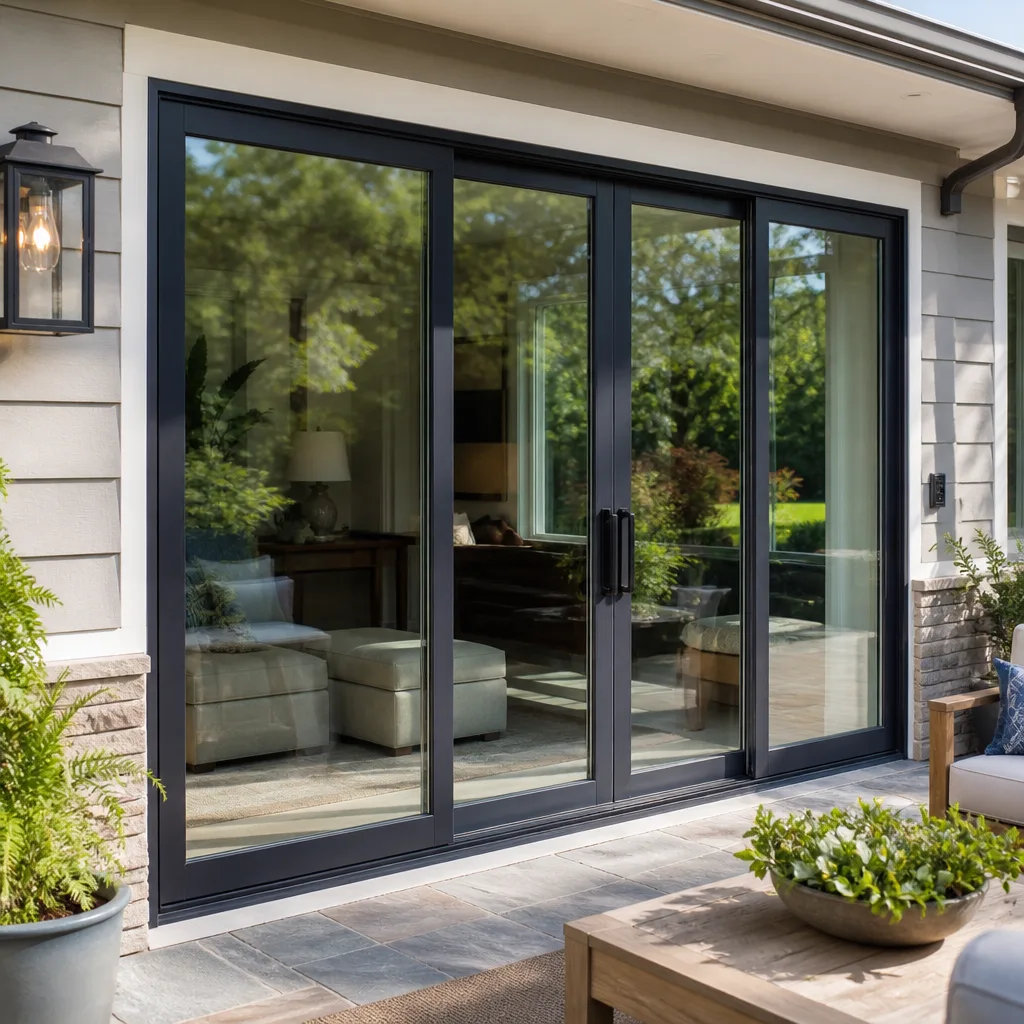 Sliding glass doors
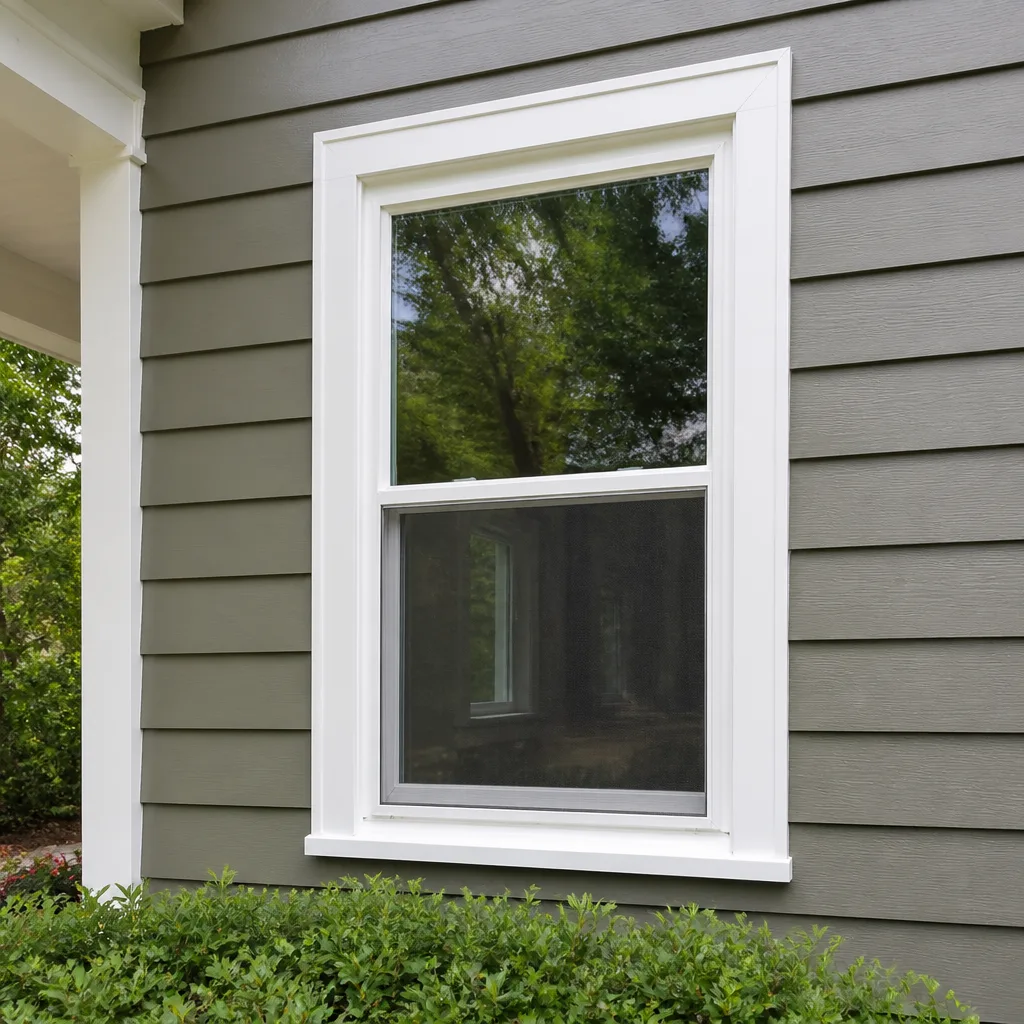 Single hung
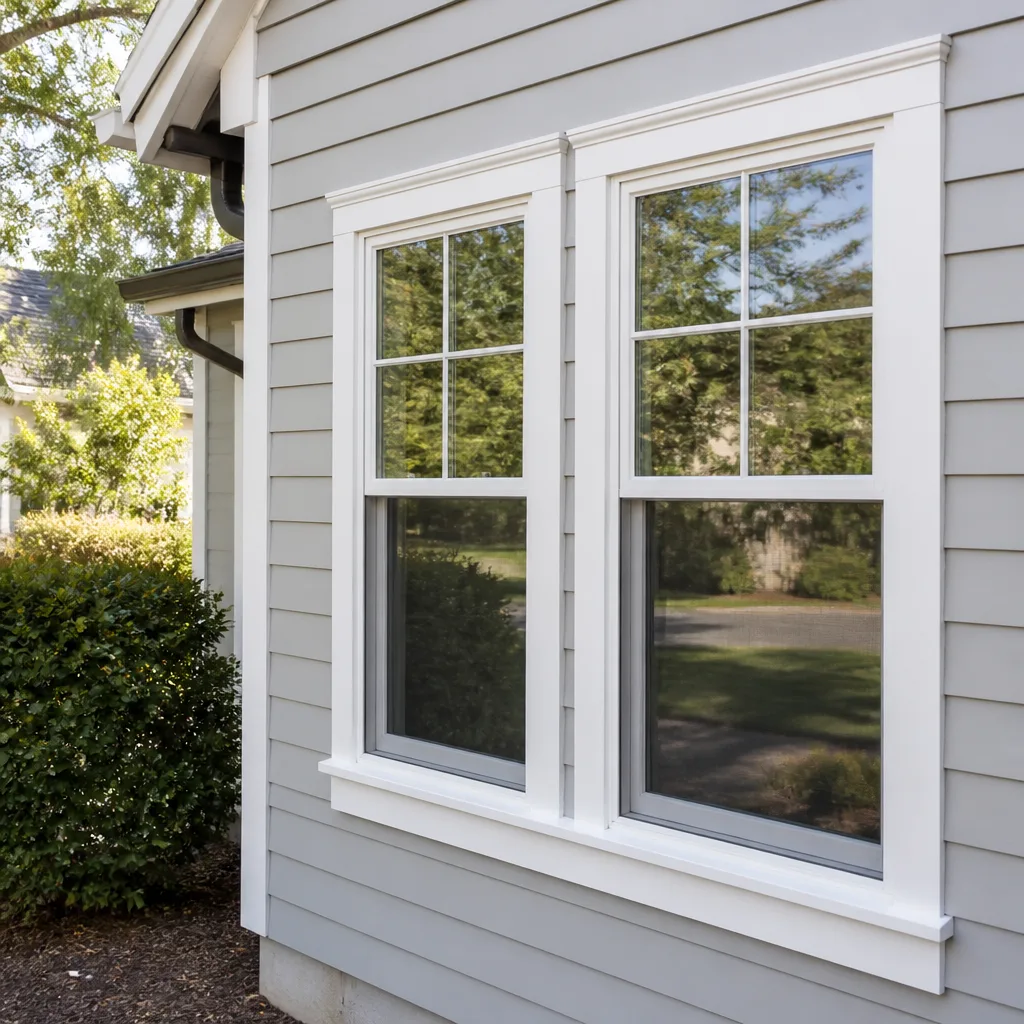 Double hung
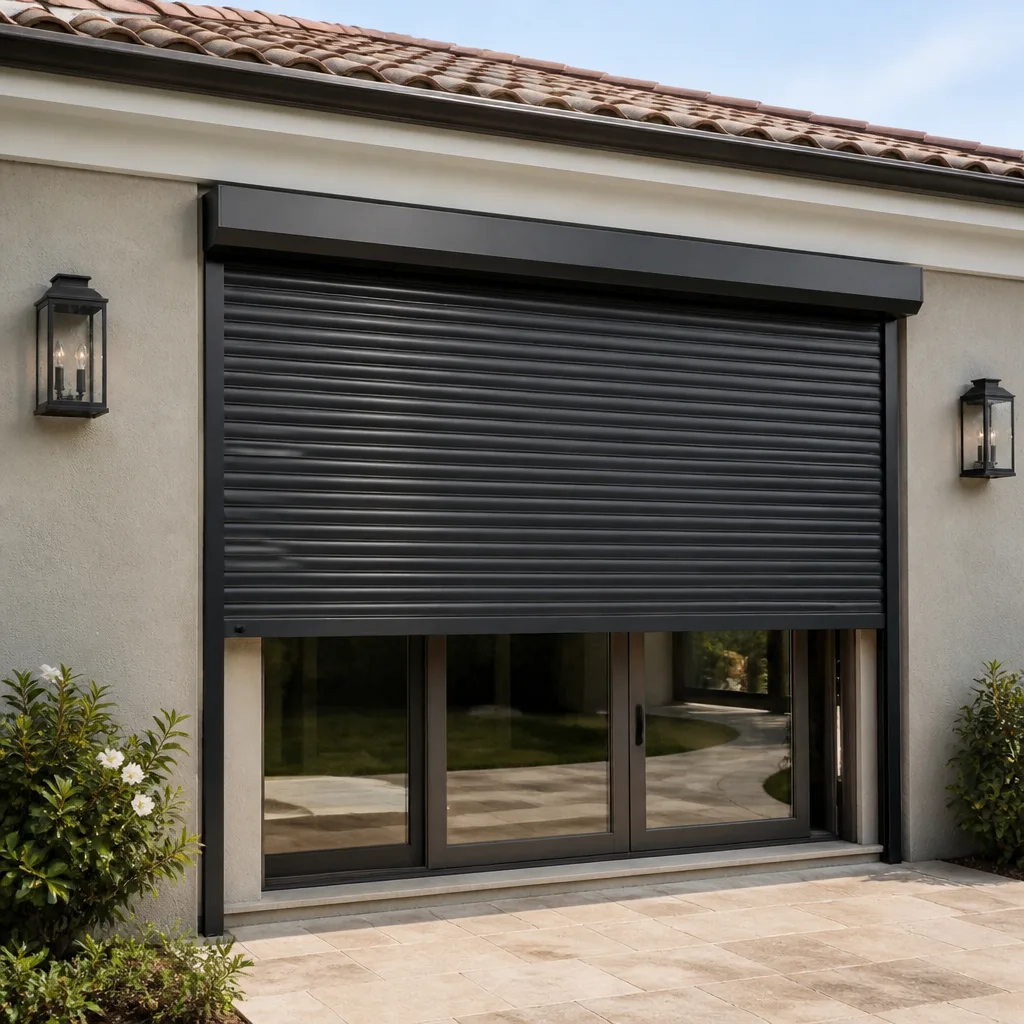 Horizontal roller
 Casement
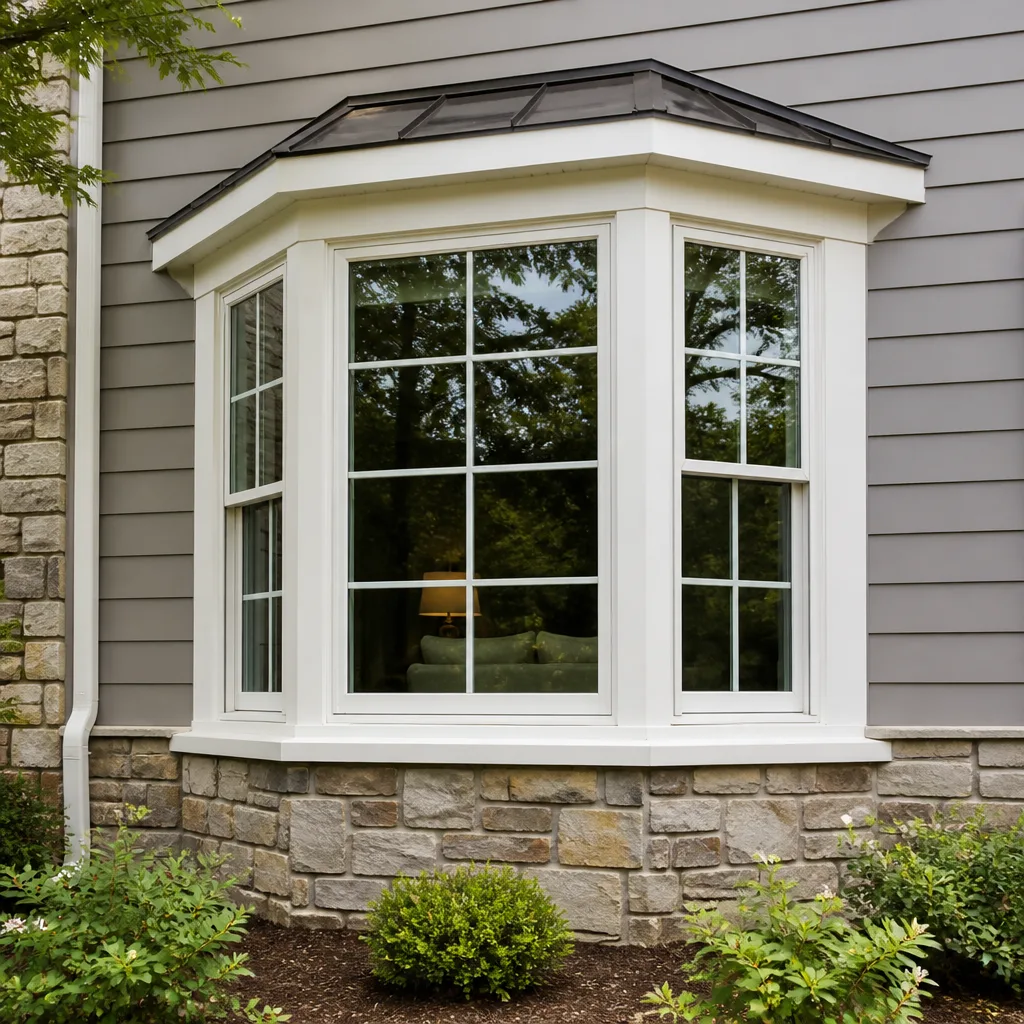 Bay & bow
 Entry doors
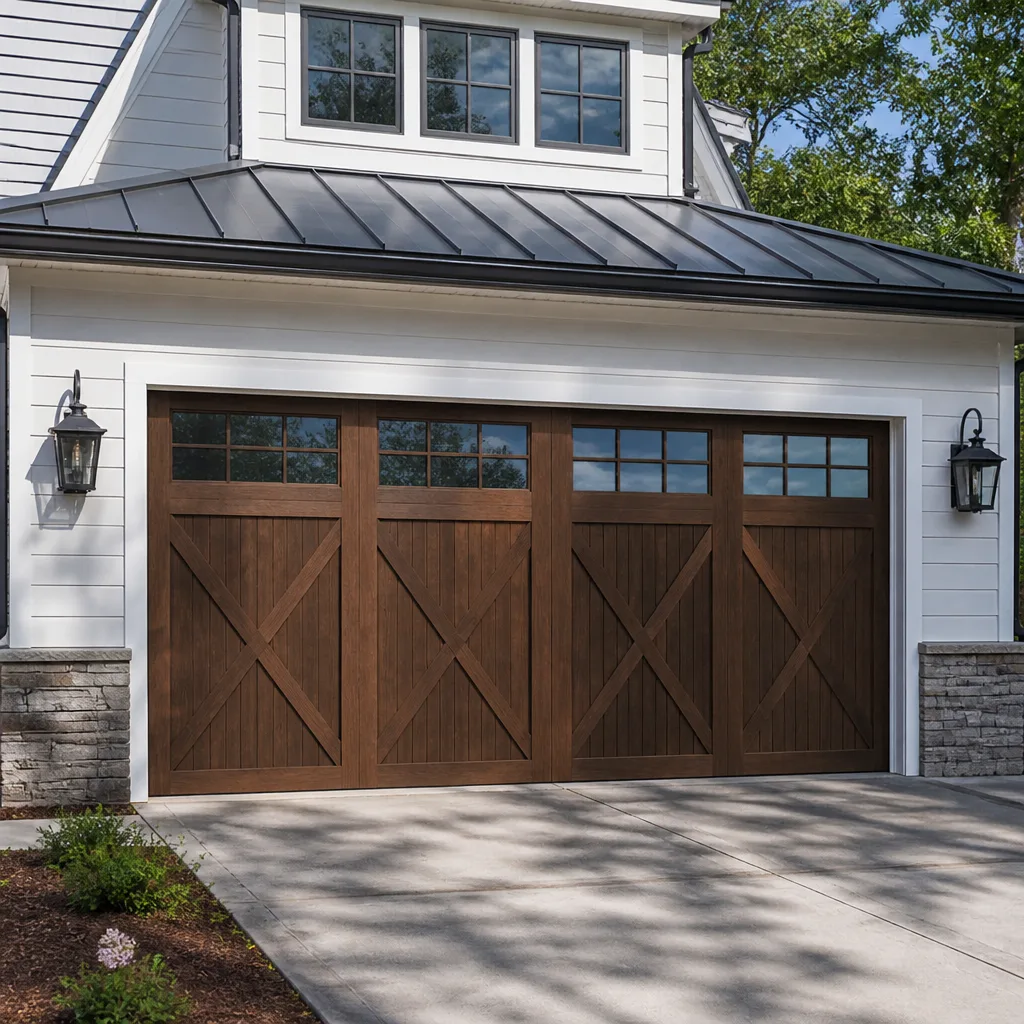 Impact garage doors
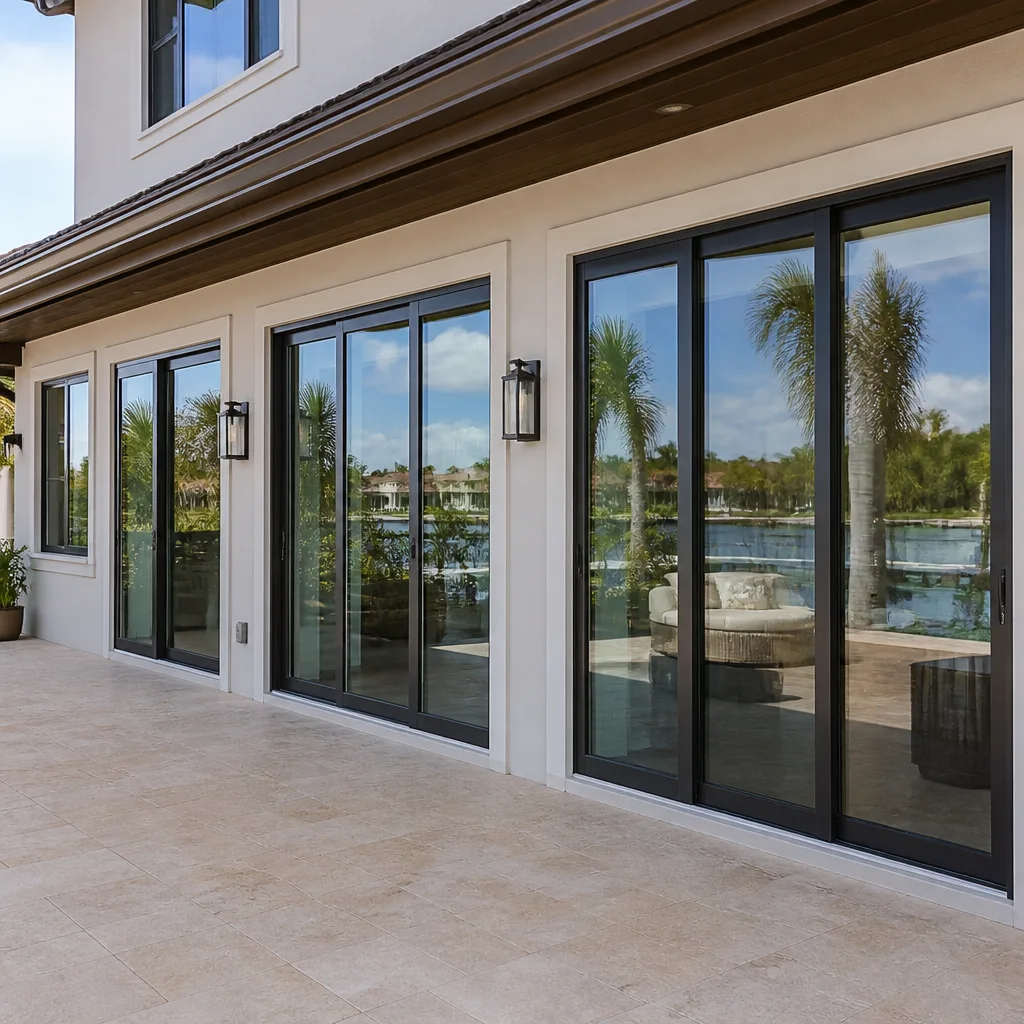 PGT
 CGI
Free in-home measure and quote - PGT, CGI and CWS impact lines compared on your actual openings, style by style
Get your free estimateWindows & Doors Emergency Preparedness Guide for Summerlin Homes
Most Summerlin homeowners prepare for the wrong storm. They picture rain hitting the glass, so they focus on panes and frames. In practice, the damage we hear about most often starts at the edges: a dried-out door sweep, a weatherstrip that has flattened under years of desert sun, a sliding door track packed with grit. A haboob can drop visibility to zero and push fine particulate through those gaps in under ten minutes, and the homes that end up with the most interior dust are the ones where the seals were already failing before the wind arrived. This guide covers how Summerlin homes actually get hit, what to check before storm season, how to handle a broken window or water intrusion in the moment, and how to document damage so an insurance adjuster doesn’t argue with you later.
Quick Answer
Emergency preparedness for windows and doors in Summerlin comes down to three things: seal the envelope before storm season (door sweeps, weatherstripping, and sill pans rated for water, not just air), know what to do in the first hour after a wind or flood event, and photograph everything before you touch it. Homes in lower-elevation parts of Summerlin near the washes face the highest flash-flood intrusion risk at door thresholds, while homes on exposed ridgelines take the worst wind-driven debris. Impact-rated windows from manufacturers like PGT and CGI reduce risk, but only if the surrounding seals are intact.
Styles & brands we work with
- Single hung
- Double hung
- Horizontal roller
- Casement
- Bay & bow
- Sliding glass doors
- Entry doors
- Impact garage doors
- PGT
- CGI
Table of Contents
- How do you prepare windows and doors for a Summerlin haboob?
- Why do door thresholds fail in flash floods, and which products hold?
- How do you temporarily board or seal a broken window on a stucco home?
- What should you inspect on windows and doors after a major wind event?
- How do you document window and door damage for a Nevada insurance claim?
- Which window and door products actually hold up in Summerlin’s climate?
- What’s the seasonal prep calendar for Summerlin homes?
How do you prepare windows and doors for a Summerlin haboob?
A haboob prep checklist for Summerlin windows and doors should focus on positive-pressure particulate control: the fine dust doesn’t just leak in, it gets pushed through every gap by pressure differential. Standard builder-grade weatherstripping is designed for air infiltration in mild conditions, not for a wall of silt moving at highway speed. That’s the gap most homeowners discover too late.
Here’s what actually holds up:
- Door sweeps with a rigid aluminum carrier and a replaceable neoprene or EPDM blade. The flexible vinyl sweeps that come on many production doors flatten and curl within a few summers of desert heat. A rigid carrier with a replaceable blade lets you swap the wear part without replacing the door.
- Compression-seal weatherstripping, not just magnetic or brush type. Compression seals (silicone bulb or foam-filled EPDM) maintain contact under pressure. Brush seals pass fine dust readily because the bristles don’t create an air barrier, only a debris barrier.
- Sliding door track seals and weep-hole screens. The bottom track of a sliding glass door is a dust highway. Track seals and a clean weep system keep most of it out and let water drain if rain follows the dust.
- Window sash locks and tilt-latch tension. A sash that doesn’t pull tight against its weatherstrip might as well not have one. Check that every operable window latches firmly in the closed position before the season starts.
- Exterior caulk at the frame-to-stucco joint. Cracked caulk at the perimeter lets both dust and water behind the frame. That’s an easy inspection point on any Summerlin home.
We’ve watched Summerlin homeowners spend real money on premium windows from CWS or ES Windows and then leave the door sweeps untouched. The performance floor of any home is set by its weakest seal, not its best glass. If you’re replacing a door as part of a broader project, pairing it with window replacement means both sides of the envelope get the same treatment at the same time.
Why do door thresholds fail in flash floods, and which products hold?
Door thresholds fail in Summerlin flash floods because most residential door systems are rated for air and wind infiltration, not water submersion or ponding. A standard sill has weep holes and a pan, but it assumes water drains away from the door. When the grade outside a door is a low point, or when a wash overflows and sheet-flows against the wall, the door sill becomes a holding tank. The water doesn’t need to breach the door itself. It finds the weak point: a degraded corner seal, a missing end dam, a threshold with no positive back-slope.
Summerlin’s geography matters here. The community sits at the base of the Spring Mountains, and several lower-elevation streets and street-end cul-de-sacs sit near natural drainage paths. Those are the doors that see water first. Homes on slightly higher ground may go through a decade of monsoon seasons without a threshold issue, which is exactly why they don’t prepare.
What to look for in a sill product
- An end dam or sill pan with positive slope. A pan that drains outward is doing its job. A pan that sits flat, or back-slopes, holds water against the door.
- Water-rated vs. air-rated labeling. Ask for the manufacturer’s performance data. If the literature only talks about air infiltration and water penetration under static pressure, it may not be suited to standing water at the threshold.
- Continuous, not pieced, corner seals. Pieced corners are where most intrusion starts.
- Door height and clearance. A door that rubs the threshold when it closes has already compromised the sweep. Adjust the hinges before the sweep wears through.
If you’ve already seen water inside a threshold after a monsoon, that’s a job worth inspecting before the next season rather than chasing. A specialist can look at the sill, the pan, and the exterior grade together, which a generalist often won’t. That’s what we do, and it’s why we carry impact-rated product lines from more than one manufacturer, so you’re comparing performance specs rather than being steered to whatever a single supplier stocks.
How do you temporarily board or seal a broken window on a stucco home?
Boarding a broken window on a Summerlin stucco home starts with one rule: whatever you attach needs to adhere to stucco, which is a cement-based finish with a textured surface that sheds tape and many adhesives. Standard painter’s tape and duct tape will fail within hours under wind load. If a pane is shattered and you need to secure the opening while you wait for a repair, here’s the sequence we recommend.
- Secure the area and remove loose glass safely. Wear heavy gloves and closed-toe shoes. Do not attempt to remove glass fragments from an upper window or from an impact window frame that is deformed; that work belongs to a professional with proper equipment.
- Assess the frame against the opening. If the frame itself is intact, you’re sealing a hole. If the frame is cracked or pulled from the rough opening, you’re dealing with a structural issue, and temporary patching is a stopgap, not a fix.
- Apply a stucco-compatible adhesive substrate first. The reliable approach is to attach a strip of plywood or furring to the wall using construction adhesive formulated for masonry and cementitious surfaces, screwed through the stucco into solid backing where possible. Adhesives meant for wood siding don’t bond to stucco reliably.
- Fasten the board over the opening. Plexiglass or exterior-grade plywood, cut oversize by a few inches on each side, screwed into the furring strips rather than directly into stucco (which crumbles under a screw head). Use washers under the screws.
- Seal the perimeter last. A bead of exterior sealant around the board edge keeps rain and dust from driving behind it.
Treat any of this as a temporary measure. It stops further water and debris intrusion. It doesn’t restore the thermal or security performance of the opening, and on an impact-rated unit from PGT or CGI it doesn’t restore the rating. Get on the schedule for window installation as soon as the opening is secured.
What should you inspect on windows and doors after a major wind event?
Post-wind-event inspection in Summerlin should focus on the things that don’t announce themselves: hairline frame cracks, water stains behind the interior trim, and hardware that no longer latches with the same feel. A homeowner who only looks for obvious broken glass will miss the majority of damage from a strong wind event. Here’s the protocol we walk homeowners through.
- Walk the exterior first, at the frame perimeter. Look for new cracks in caulk joints, gaps at the frame-to-stucco transition, and stucco cracking radiating from the corners of the opening. A crack at a corner is often the first sign the frame flexed.
- Check every operable window and door for uniform closure. Open and close each one. A sash or door that suddenly needs two hands, or that rubs on one side, has moved. That’s usually a frame or hinge issue, not a glass one.
- Look for water staining on interior trim and drywall. Especially at door thresholds and the bottoms of window jambs. Water intrusion from wind-driven rain often shows up as discolored paint or a waterline on the trim before it shows up as a leak.
- Inspect weatherstripping and sweeps for compression loss. The seal should spring back when you pinch it. If it stays flat, it’s degraded.
- Test the impact glass for stress marks. On impact-rated units, look for any deformation, delamination, or edge seal separation. Impact glass that has taken a hard hit may still look intact while the interlayer has been compromised.
- Photograph everything, even if it looks fine. You’ll want the baseline if a problem shows up two weeks later.
If any of that raises a question, have a specialist look before you assume the storm did no harm. We see it all over Summerlin: a home that “made it through” until the next monsoon finds the crack that was already there.
How do you document window and door damage for a Nevada insurance claim?
Documenting window and door damage for a Nevada insurance claim starts before you touch anything and continues after the adjuster shows up. The single biggest source of dispute we hear about is the gap between what the homeowner saw and what the adjuster could verify. You can close that gap with a disciplined record.
Photograph and record this
- Wide shots first. Each affected opening, from inside and outside, with enough context to identify which side of the house it’s on. Then move closer. Then close.
- A scale reference. Place a ruler or coin next to cracks, chips, and gaps so size is documented, not described.
- The water line, if there is one. Photograph it before it dries or is cleaned. Interior water staining is a claim that dries and disappears.
- Date and sequence. Name files by date. Note the weather event and time. If a storm is named in local reporting, reference that.
- All product labels and identification. Brand, model, and any serial labels on the window or door. This matters because replacement needs to match the original performance rating, and adjusters will ask.
- Temporary repairs, documented. Keep every receipt for boarding materials, and photograph the temporary repair before and after installation. Your policy may address what you’re required to do to limit further damage.
Then leave the damaged components in place until the adjuster has seen them, unless they’re creating a safety hazard. Removing a damaged window or door before inspection is the most common way homeowners lose the argument. If you need a specialist to inspect and document the damage on your behalf, that’s a free estimate in Summerlin. Call (844) 797-6754.
Which window and door products actually hold up in Summerlin’s climate?
The products that hold up in Summerlin’s climate are the ones engineered for high-UV, high-heat, high-wind conditions with fine dust that finds every gap. That means impact-rated glass, low-maintenance framing, and seals designed for the load. Which product is right for your home depends on exposure, budget, and how the opening sits relative to sun and wind. Because we carry competing manufacturers, the recommendation can follow the home rather than a single supplier relationship.
What we look at when matching product to home
- Exposure. Windows facing west or southwest take the worst of the afternoon sun and wind. Impact-rated options from CGI and PGT are a common starting point for high-exposure openings.
- Energy performance. Low-E coatings, gas fill, and frame material all affect how a window handles desert heat gain. A line like ES Windows or CWS offers performance tiers that let you compare rather than accept one spec.
- Door system integrity. Entry doors need a threshold and sweep system rated for the climate. Therma-Tru entry and exterior doors are worth considering alongside window replacement so the whole envelope is handled together, frame and slab.
- Impact vs. non-impact. Impact-rated product lines from multiple manufacturers let you compare apples to apples on performance, not just price. Not every Summerlin opening needs impact rating, but the ones with exposure to wind-driven debris see real value from it.
Our technicians have up to 12 years of experience, and every one of our projects is windows or doors only. That focus matters when the question is which seal, sill, or spec actually handles a Summerlin storm. If you want to see the eight-brand lineup in person, we’re glad to walk through it. Start with the Summerlin Windows & Doors overview for the full picture.
What’s the seasonal prep calendar for Summerlin homes?
Summerlin’s storm season peaks in the summer monsoon months, so the practical prep calendar is spring: inspect and replace seals before the winds, then re-inspect after each major event. Waiting until the first haboob is how most homeowners end up in emergency mode instead of prep mode.
- Early spring: seal inspection. Walk every door and operable window. Check sweep blades, weatherstrip compression, sash locks, and perimeter caulk. Replace anything flattened, cracked, or missing.
- Mid-spring: drainage check. For doors at grade near drains or low spots, confirm the sill pan drains outward and the exterior grade slopes away from the threshold.
- Late spring: hardware check. Hinge screws, latch plates, sliding door rollers, and track screws. Loose hardware is the leading cause of door-sweep wear and threshold contact.
- Monsoon season: post-event inspection. After any significant wind or rain, run the inspection protocol above. Photograph even if nothing looks wrong.
- Fall: pre-winter review. This is a good time to catch any damage that didn’t get found in the summer and to schedule replacement work before the next season.
Summerlin homes sit at a real intersection of desert heat and mountain storm influence, so a yearly routine is worth more than a one-time fix. If you’re not sure where to start, ask for an inspection during a scheduled visit.
Common Mistakes to Avoid
- Focusing on glass and ignoring seals. The majority of storm-related intrusion starts at the frame perimeter and door sweep, not the glass. A home with premium windows and degraded sweeps leaks like a home with builder-grade everything.
- Using tape to secure a broken window on stucco. Standard tapes don’t adhere to stucco past the first hour of wind load. The board needs a fastened substrate, not a taped edge.
- Patching and forgetting. A temporary board or sealant stops further water intrusion, but it doesn’t restore the impact or energy rating of the opening. Get the permanent repair scheduled right after the emergency.
- Removing damaged components before the adjuster sees them. A Nevada claim needs the physical evidence, not just photos. Leave the damaged door or window in place unless it’s a safety hazard.
- Ignoring minor sill and threshold water. A single waterline at the base of a door is the earliest sign that a sill pan is failing. That’s a fix before the next season, not after the next flood.
- Assuming the storm did no damage because nothing broke. Wind events cause frame flex and hairline cracks that show up as water intrusion weeks later. Walk the inspection protocol, don’t eyeball it.
- Buying product on price alone in a multi-brand market. Summerlin has enough exposure variety that the wrong tier for your home’s orientation is a real cost. Compare performance specs, not just sticker price.
See the difference
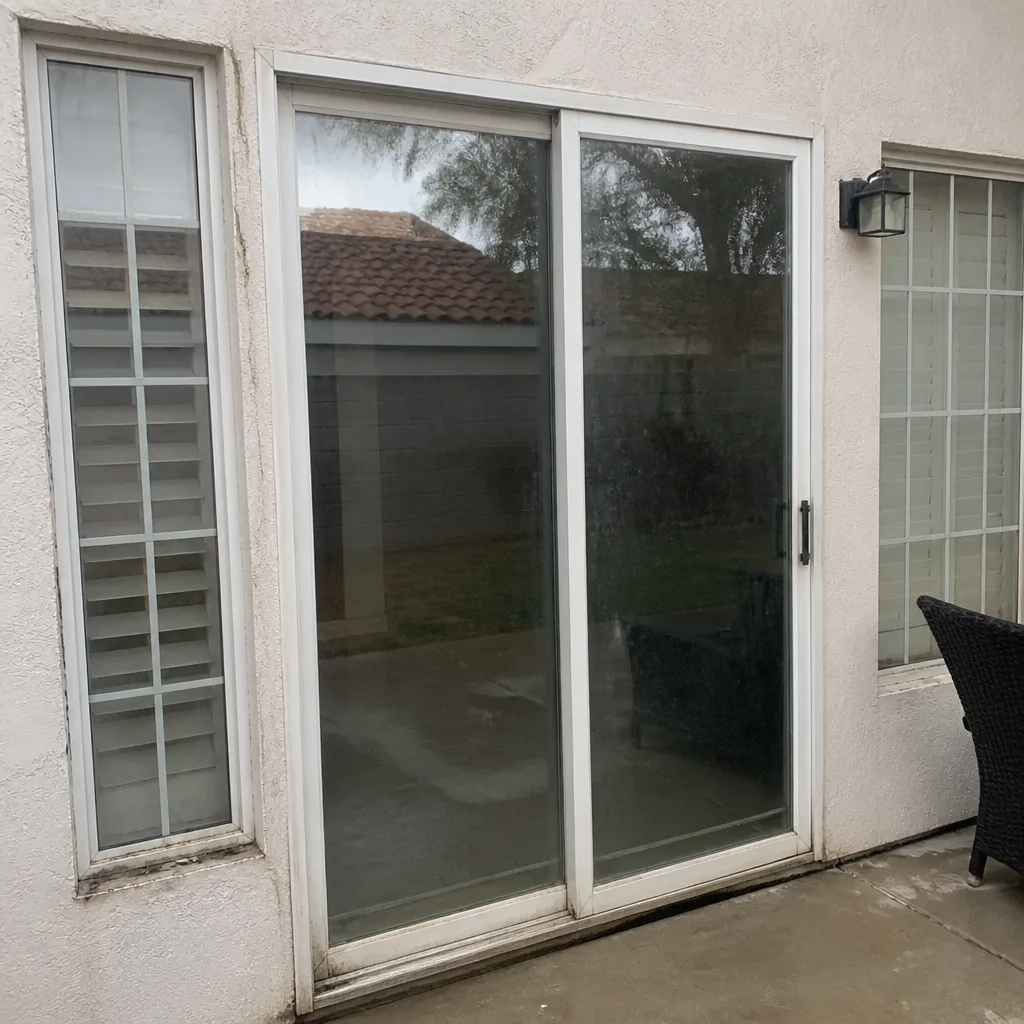 Before
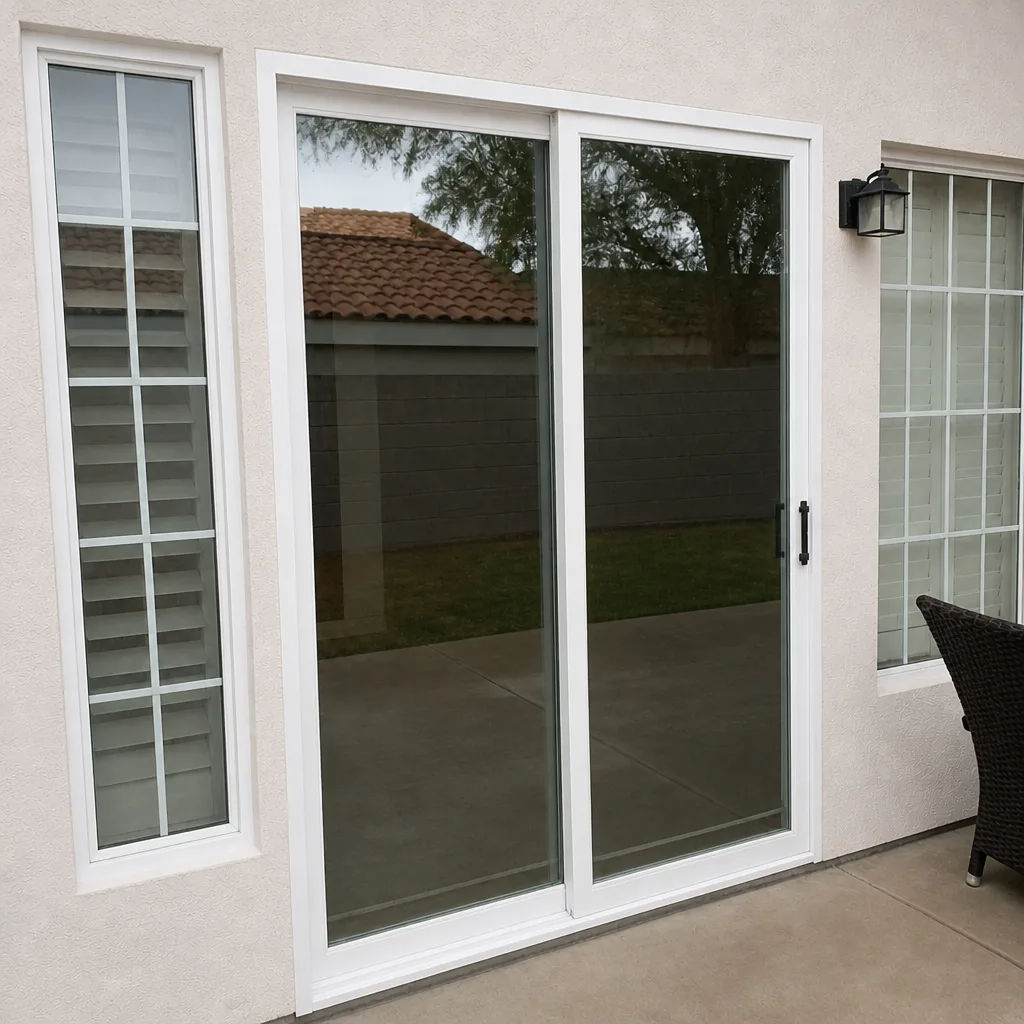 After
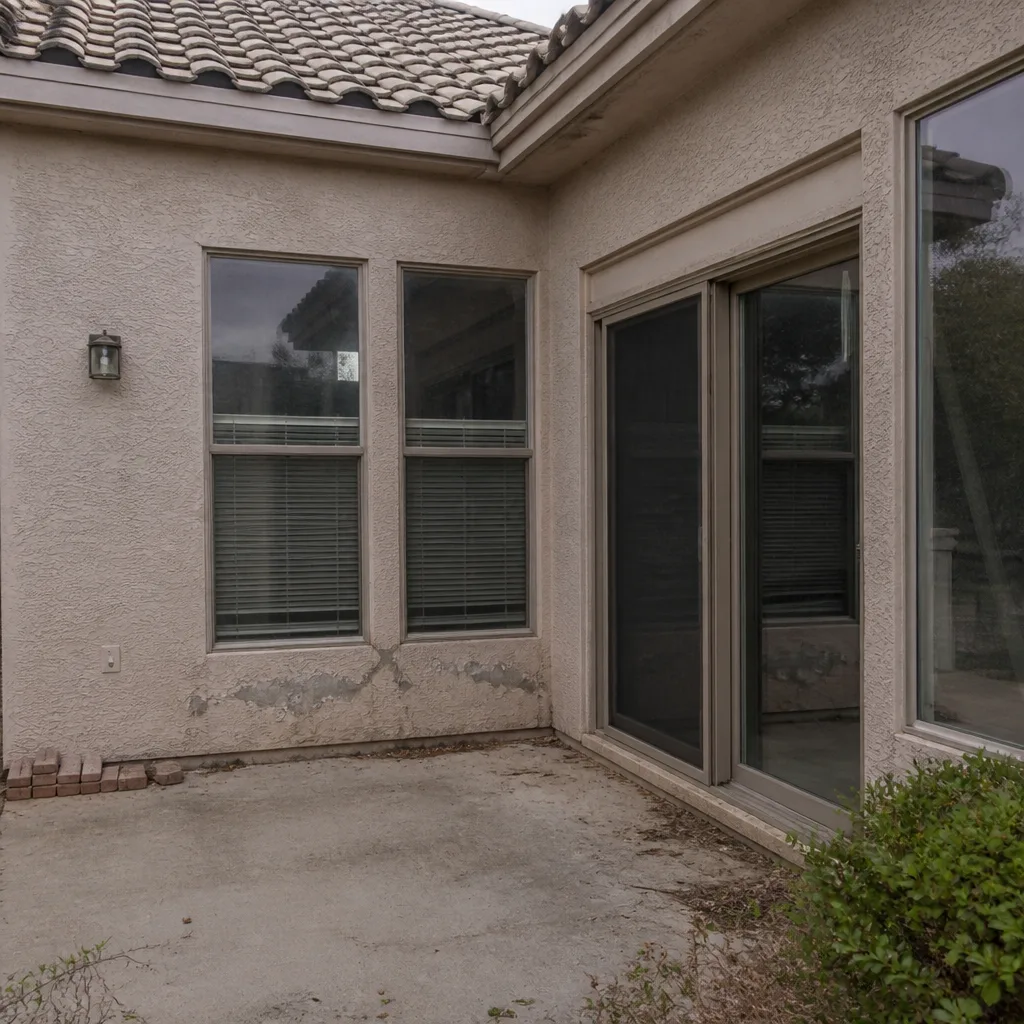 Before
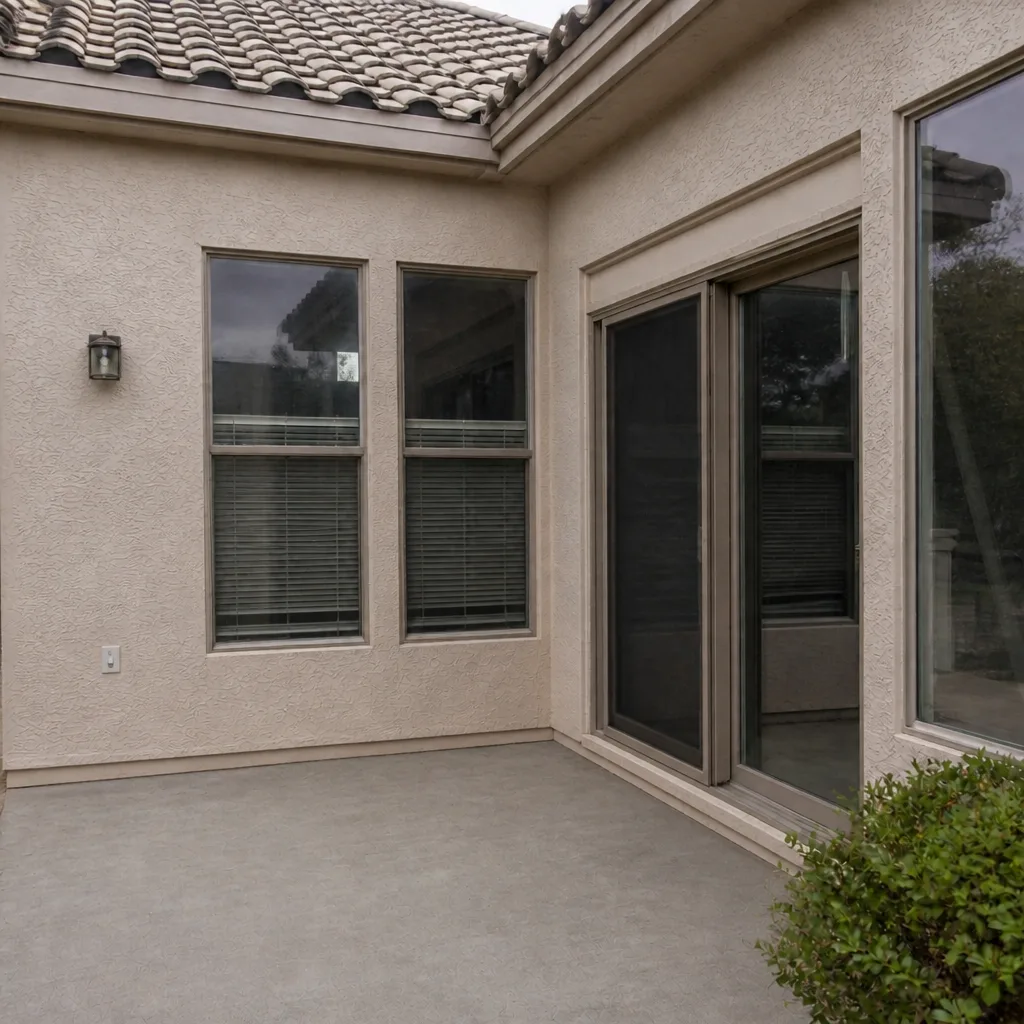 After
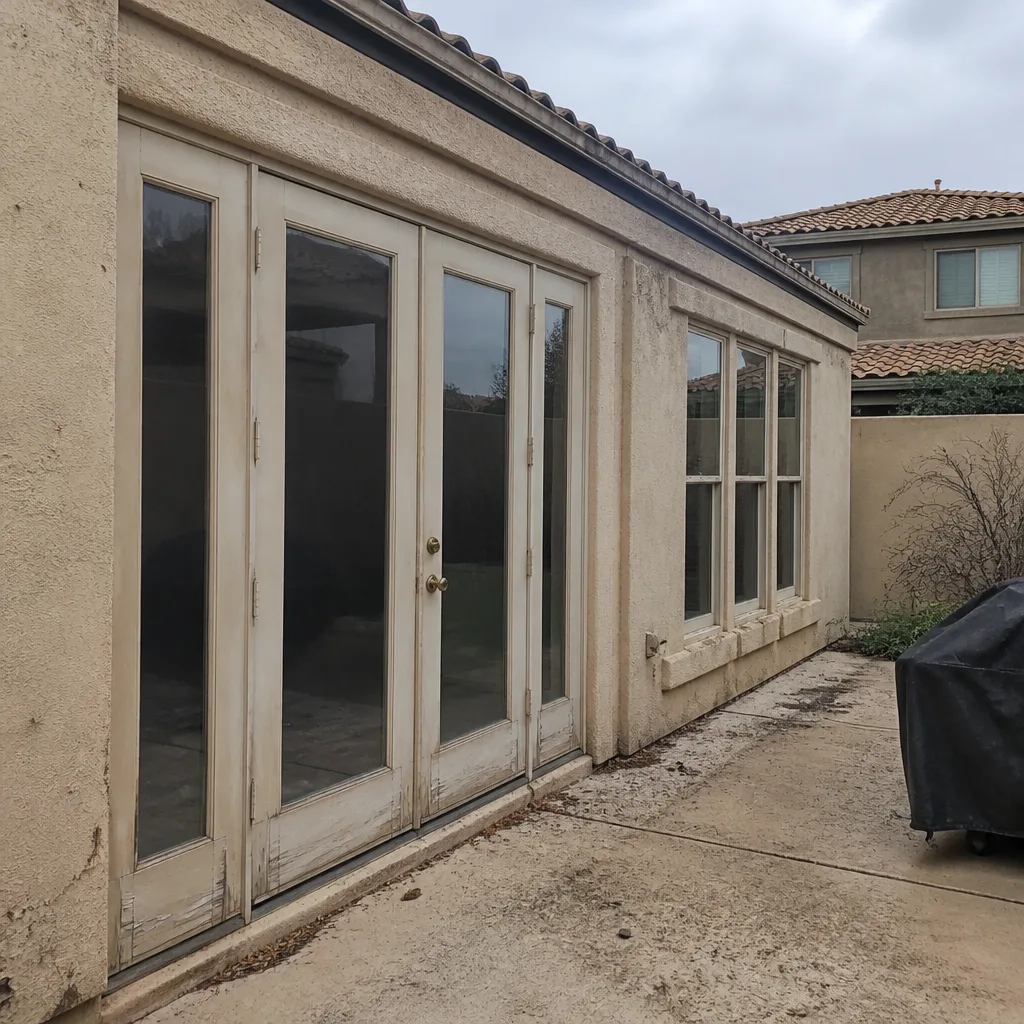 Before
 After
When to Call a Professional
Call a windows-and-doors specialist when the damage involves impact glass that looks intact but won’t latch, when water intrusion is showing at a threshold, when a frame has visibly moved, or when you’re not sure what you’re looking at after a wind event. Those are the cases where a knowledgeable eyes-on inspection beats a phone photo and a hunch. For anything involving broken glass in a high or hard-to-reach opening, or an impact-rated unit with stress marks, don’t try to handle it yourself. And if an adjuster is involved, an inspection that documents the damage in a claim-ready way is worth the visit before you start pulling trim.
Summerlin Windows & Doors offers free estimates in Summerlin. Our trade is windows and doors only, and we carry eight brands including PGT, CGI, CWS, ES Windows, ECO Window Systems, Mr-Glass, Therma-Tru, and ViewLux. Call (844) 797-6754 to schedule a visit. We answer 24/7. Fast dispatch from 7am to 7pm, Sunday through Friday.
Frequently Asked Questions
No. Impact-rated windows from manufacturers like PGT or CGI reduce the risk of glass breach from wind-driven debris, but the surrounding seals, frame, and door thresholds still have to be intact. A storm-proof home would need the whole envelope prepared, which is why we recommend inspecting weatherstripping, sweeps, and sill pans alongside the glass. If you want a performance review of your openings, call (844) 797-6754. Estimates are free.
Water can reach the threshold within minutes once sheet flow begins, but it often intrudes only after the sill pan fills and reaches a weak point. That’s why the prep matters more than the reaction. If you’ve seen a waterline at the base of a door even once, that threshold has already failed somewhere. Have it inspected before the next season. Call (844) 797-6754 for a free estimate.
The best approach is to fasten a substrate to the wall with a masonry-grade construction adhesive, screw exterior-grade plywood or plexiglass over the opening using washers, and seal the perimeter. Tape alone won’t hold on stucco under wind load. Treat it as a temporary measure and schedule the permanent repair right away. We can get you on the schedule for a replacement opening with a free estimate.
Coverage depends on your specific policy, and we can’t speak to policy terms. What we can tell you is that documenting the damage thoroughly, with wide shots, close-ups, scale references, product identification, and dated photos, gives you the best chance of a smooth claim. Leave damaged components in place until the adjuster has inspected them. For inspection documentation, call (844) 797-6754. Estimates are free.
In Summerlin’s heat and dust, plan to inspect door sweeps and weatherstripping each spring and replace any sweep that has flattened or curled. The right product is a rigid carrier with a replaceable neoprene or EPDM blade, so the wear part swaps without a door replacement. If you’re unsure of the condition, call (844) 797-6754 and we’ll include it in your estimate visit.
A specialist is the better fit for storm-related window and door work because the diagnosis is in the details: frame flex, seal compression, sill pan drainage, and impact glass condition. A generalist with a window division often misses those. Our work is windows and doors only. Call (844) 797-6754 for a free estimate in Summerlin.
The Bottom Line
Summerlin’s window and door emergencies don’t look like the ones most homeowners imagine. They start at the edges: dried sweeps, compressed weatherstrip, failed sill pans, cracked perimeter caulk. Prep means inspecting and replacing those wear parts before the summer monsoon season, running a real post-event inspection protocol rather than eyeballing the glass, and documenting damage before a single thing is removed or cleaned. Impact-rated product from multiple manufacturers gives you real performance choices when replacement is the answer, and a windows-and-doors-only specialist can spot the problem before an adjuster or the next storm does. Summerlin is a unique place to own a home. Treat the openings like the front line they are.
Written by the team at Summerlin Windows & Doors.