Last updated November 17, 2026
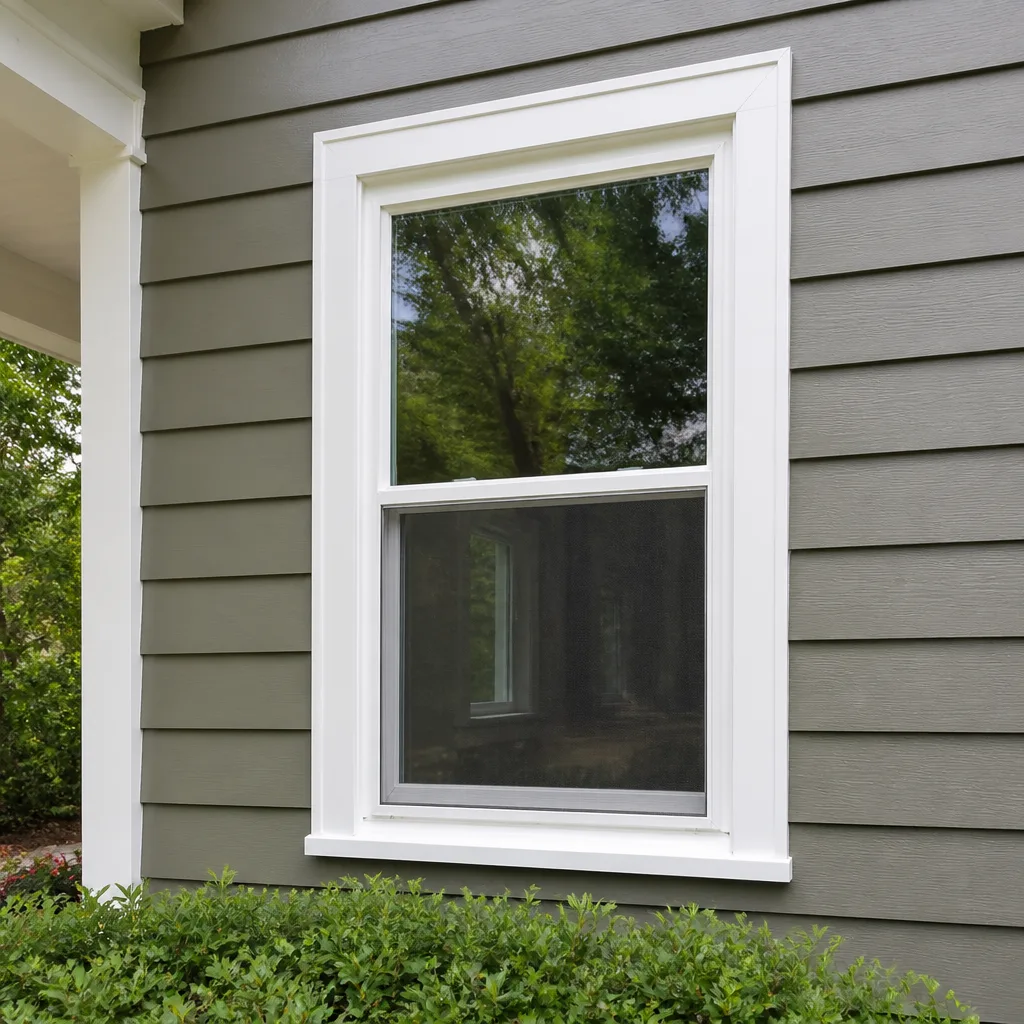 Single hung
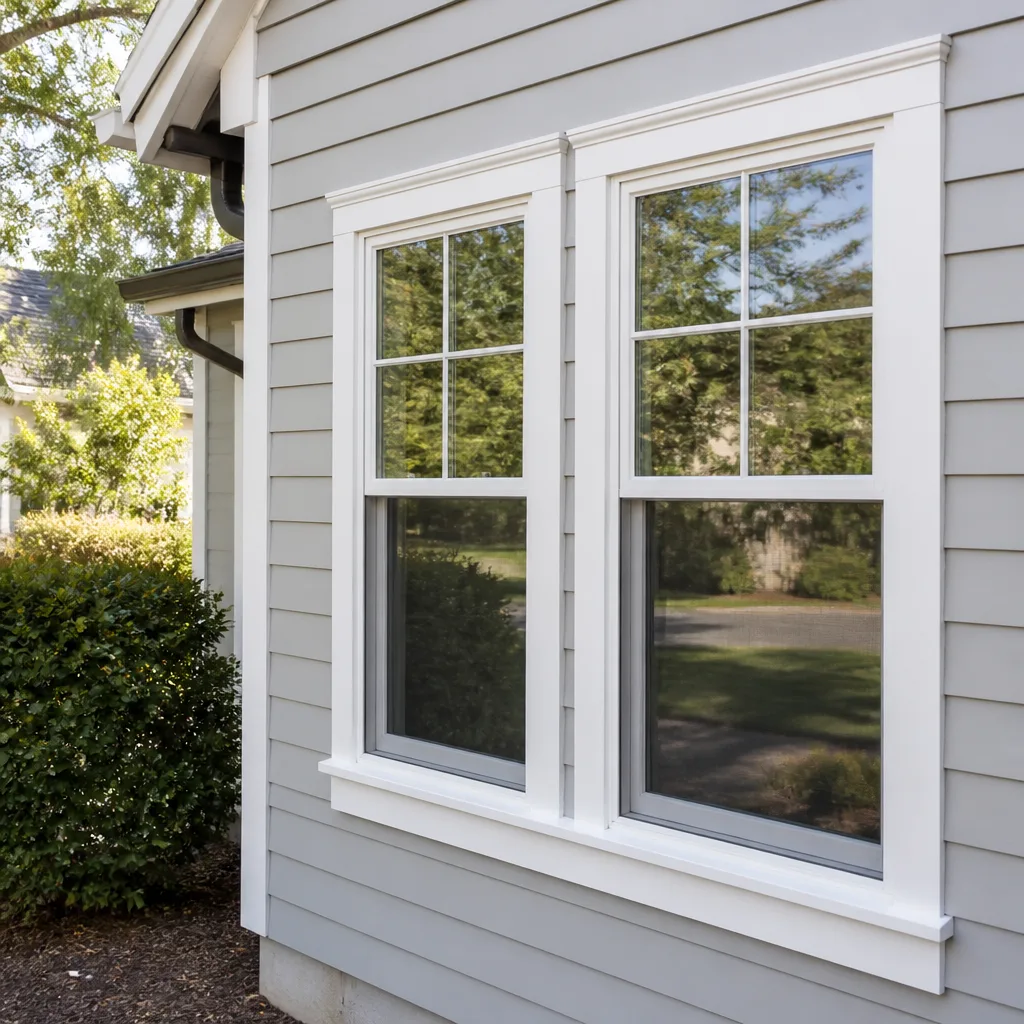 Double hung
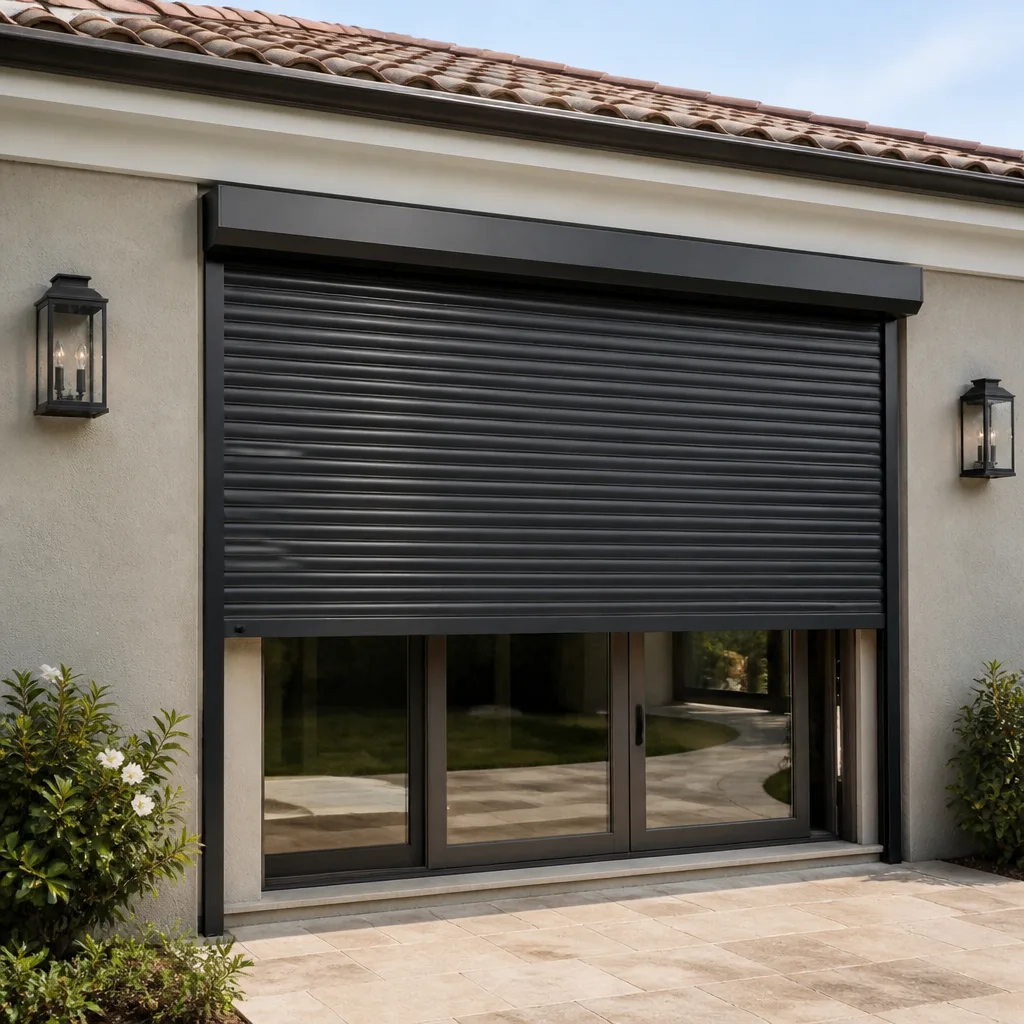 Horizontal roller
 Casement
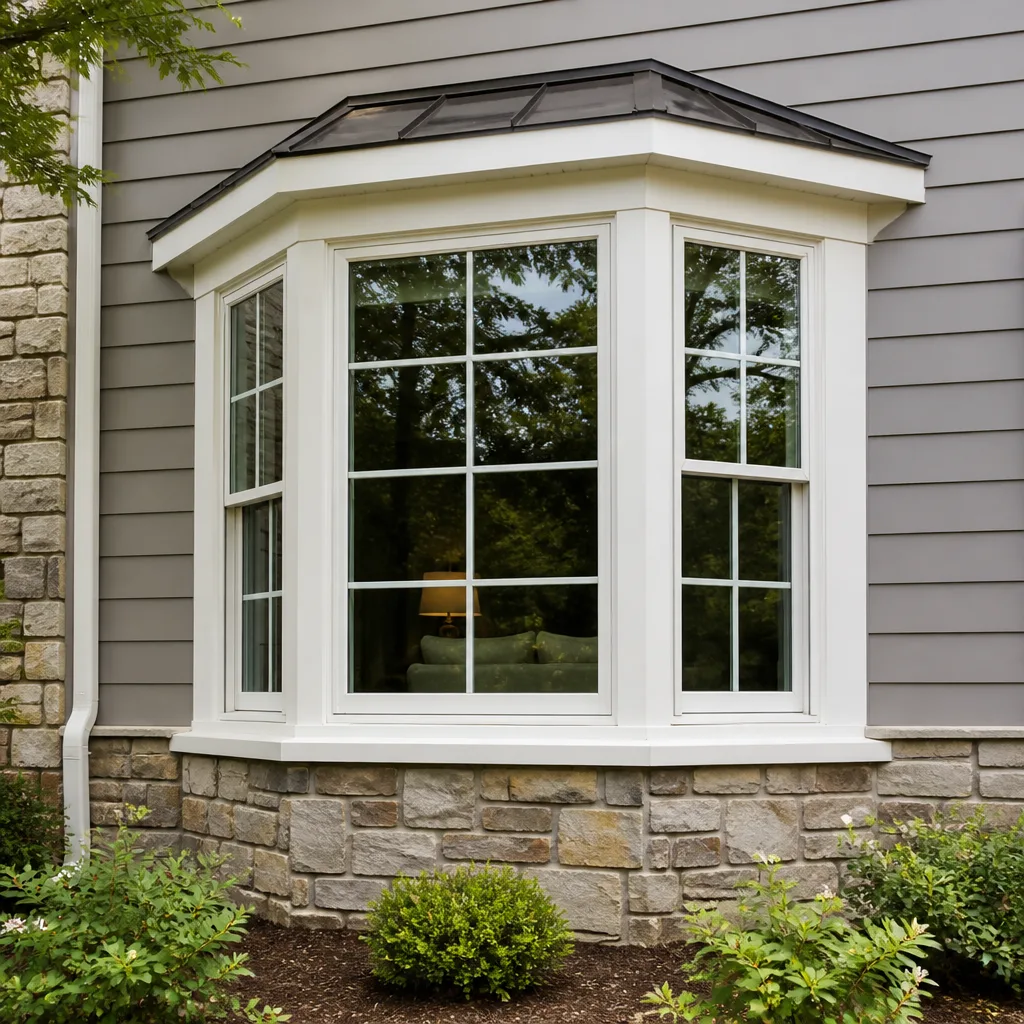 Bay & bow
 Sliding glass doors
 Entry doors
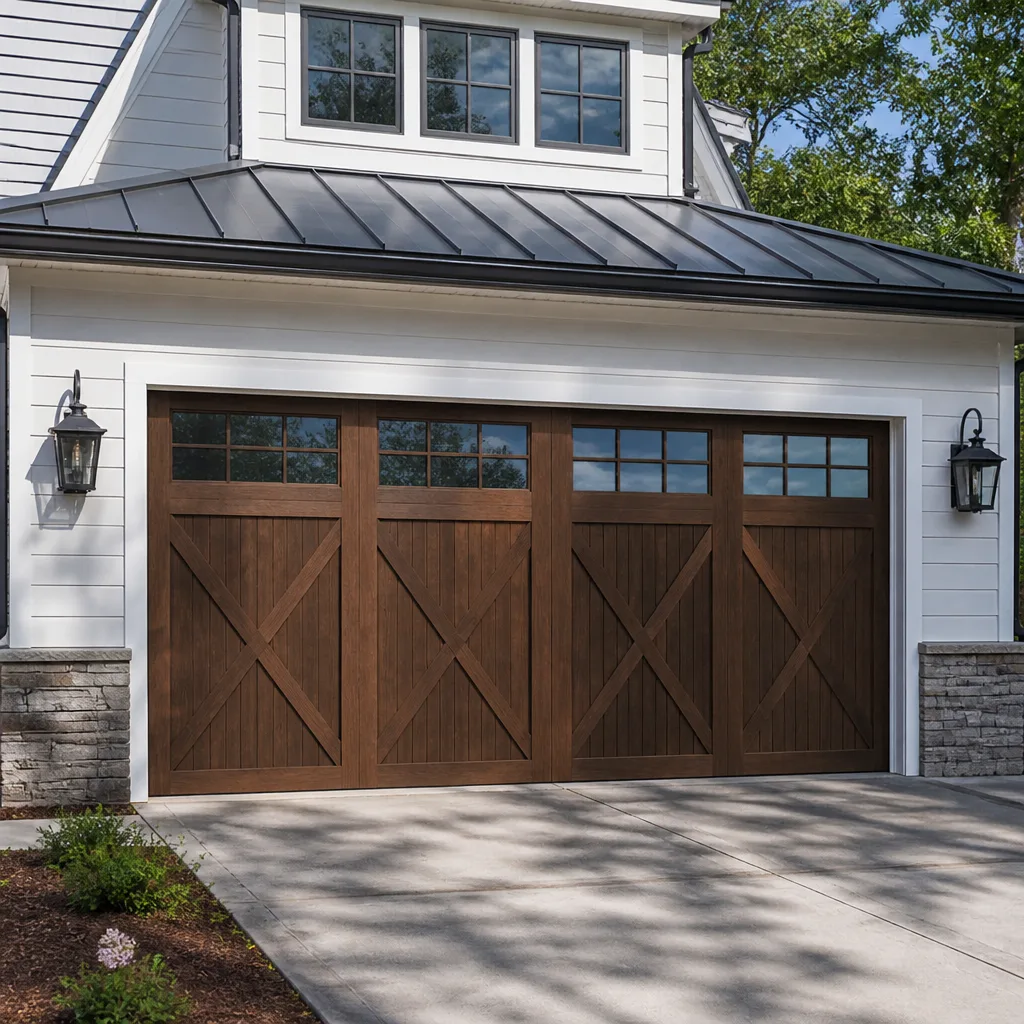 Impact garage doors
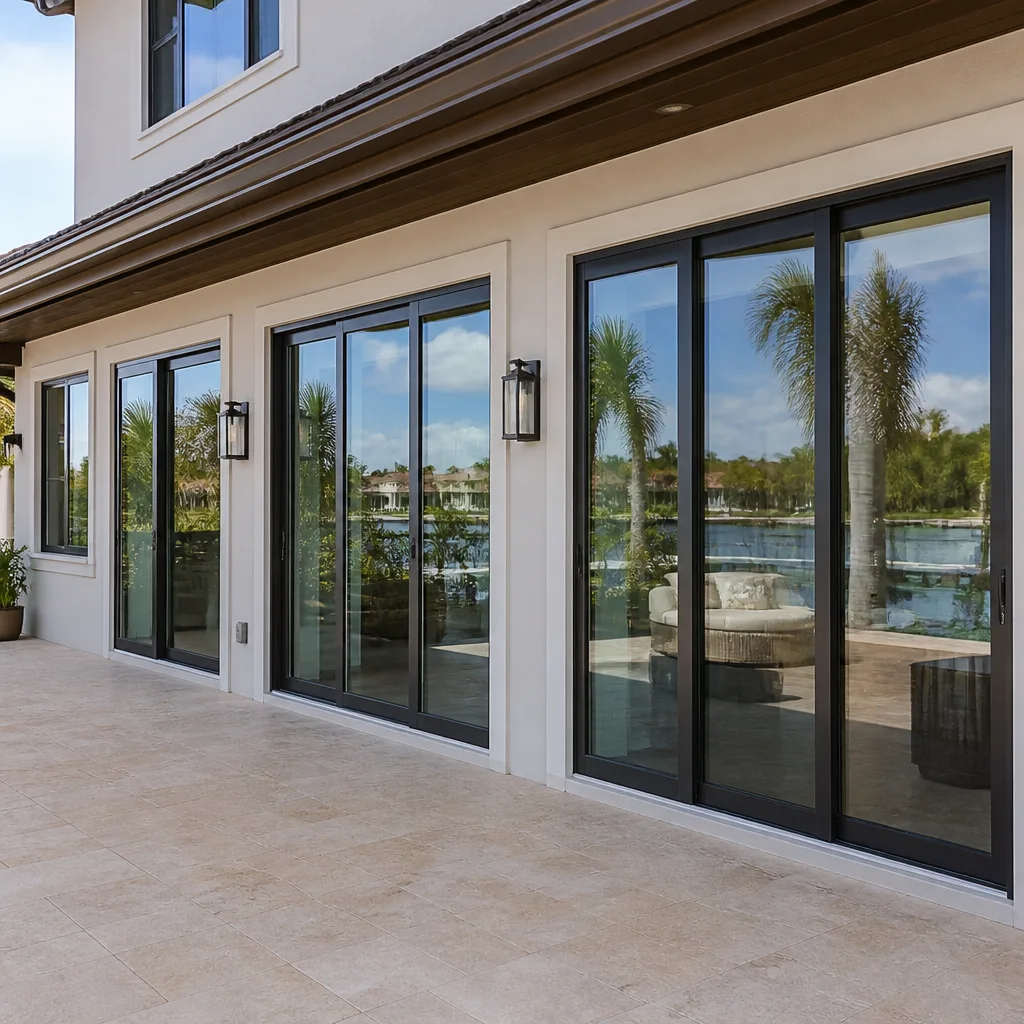 PGT
 CGI
Free in-home measure and quote - PGT, CGI and CWS impact lines compared on your actual openings, style by style
Get your free estimateWindow Replacement Troubleshooting in Summerlin: Common Problems and How to Fix Them
A fogged double-pane window and a drafty window look like two different problems. In Summerlin’s heat, they often share the same root cause: a failed seal accelerated by extreme thermal cycling. Most homeowners who call us convinced they need new windows are actually describing one of four failures – a bad glass seal, a bad frame-to-wall seal, a hardware failure, or a flashing failure – and only one of those usually points to full replacement. Replacing the glass when the frame is the culprit means you’ll be back troubleshooting again in a few years. This guide gives you a decision framework before you spend a dollar, starting with how to tell those failures apart.
Quick Answer
Most window problems in Summerlin fall into four categories: failed glass seals (fogging between panes), failed frame-to-rough-opening seals (drafts, water intrusion), operational failures (sticky or misaligned sashes from heat expansion), and flashing failures (stucco cracks at corners). Failed glass seals and hardware are usually repairable. Failed frame seals, recurring flashing leaks, and frames that have warped or lost their shape in the heat generally call for replacement. A free inspection that identifies which failure you have is the first step – not a sales call. Call (844) 797-6754 to schedule one. We answer 24/7. Fast dispatch from 7am to 7pm, Sunday through Friday.
Styles & brands we work with
- Single hung
- Double hung
- Horizontal roller
- Casement
- Bay & bow
- Sliding glass doors
- Entry doors
- Impact garage doors
- PGT
- CGI
Table of Contents
- How Do You Diagnose a Window Problem Before Replacing It?
- Why Does Condensation Between Panes Point to a Failed Seal?
- What Causes Drafts and Water Intrusion Around Window Frames?
- Why Do Windows Stick, Drag, or Jump Tracks in Summerlin Heat?
- What Do Stucco Cracks at Window Corners Really Mean?
- What Should You Look For in a Glass Seal Warranty?
- Repair or Replace: Which Problems Are Worth Fixing?
- Homeowner Pre-Call Checklist
How Do You Diagnose a Window Problem Before Replacing It?
Start by separating the window into three layers: the glass unit, the frame and sash, and the seal where the frame meets the wall. Each layer fails in a different way and has a different fix. A window can have a problem in one layer and be fine in the other two, which is why a single “the window is bad” verdict misses the mark.
Here’s the sequence we walk through on a diagnostic visit:
- Inspect the glass. Look for fogging, hazing, or moisture trapped between panes. If the glass is clear but the window feels drafty, the problem is not the glass.
- Inspect the frame and sash. Look for warping, gaps at corners, cracks in vinyl or aluminum, and loose or missing weatherstripping.
- Inspect the interior wall joint. Run a hand along the interior trim during a windy day. A draft at the trim usually means the frame-to-rough-opening seal has failed, not the glass or the sash.
- Inspect the exterior. Look for cracked or separated caulk at the perimeter, stucco cracks radiating from corners, and water staining on the exterior wall below the sill.
- Operate the window. Open and close it fully. A sash that binds, drags, or needs two hands points to hardware or frame movement.
Labeling the problem by layer keeps the conversation honest. A homeowner who can say “the glass is foggy but the sash is tight and there’s no draft” is describing a glass-only fix. One who says “no fogging, but a draft at the interior trim and water stains below the sill outside” is describing a frame and flashing issue. Those two calls lead to very different conversations, and getting the label right on the front end is the single biggest piece of troubleshooting a Summerlin homeowner can do.
Why Does Condensation Between Panes Point to a Failed Seal?
Moisture, fogging, or a milky haze between the panes of a double-pane window means the insulated glass unit (IGU) has lost its seal. Once the seal fails, the desiccant inside the unit absorbs moisture from outside air until it’s saturated, and haze or droplets appear between the panes. The glass itself didn’t fail. The seal did. That distinction matters because the IGU is a replaceable component in most modern window frames.
In Summerlin, the failure almost always involves thermal cycling. A west- or south-facing window can sit at very high surface temperatures in the afternoon and cool by a large margin overnight. Those temperature swings stress the perimeter seal of the IGU day after day, and eventually the sealant gives. In our experience, this is not a manufacturing defect in most cases. It’s climate wear. The same window in a mild coastal climate can hold its seal far longer.
Here’s what to check:
- Fogging that appears in one pane: IGU seal failure. The rest of the window may be fine.
- Condensation on the interior surface of the glass: Not a seal failure. This is interior humidity meeting a cold pane, and it’s a ventilation question, not a window question.
- Condensation on the exterior surface: Also not a seal failure. It means the glass is doing its job blocking heat transfer.
- Water droplets rolling inside the unit: Advanced seal failure. Time to price an IGU replacement or full unit, depending on the frame’s condition.
Because Summerlin sits in a high-desert climate with intense solar exposure, the direction a window faces affects how quickly its IGU seal ages. West-facing windows take the worst of it. If you notice fogging on one side of the house and not the other, don’t assume the manufacturer shipped bad glass – check which direction those windows face before you call anyone.
What Causes Drafts and Water Intrusion Around Window Frames?
A draft around a window frame usually means the seal between the frame and the rough opening has failed. That seal is created at installation with expanding foam, backer rod, caulk, and flashing tape, and it’s a separate system from the window’s own weatherstripping. When that outer seal breaks down, air and moisture find their way in even when the window is closed and locked.
Several things wear this seal out in Summerlin:
- Thermal expansion: Vinyl and aluminum frames move with temperature. Over many heating and cooling cycles, caulk at the perimeter can crack and pull away from the stucco or trim.
- Original installation shortcuts: A window set without proper flashing tape, or with caulk used as the only water barrier, fails sooner than one installed correctly.
- Stucco movement: The stucco skin of a Summerlin home expands and contracts as well. Hairline cracks at window corners are often the visible sign of that movement, not a structural problem in the wall.
- Failed flashing: Flashing at the head (top) and sill of a window is the primary defense against water intrusion. If it wasn’t installed correctly, water gets behind the stucco and shows up inside long before the exterior looks bad.
Water intrusion from a failed frame seal can look like paint bubbling below the sill, a soft spot in drywall near the corner, or dark staining on interior trim. In Summerlin’s dry climate, those clues can take a while to show up, so a leak that only appears during a heavy monsoon storm may have been developing for more than a season. Don’t wait for visible damage. If a window feels drafty or the caulk around it is cracked, have it looked at before the next storm.
Water intrusion is never a DIY scope in our book. It’s a diagnostic job that touches flashing, framing, and stucco, and getting it wrong means coming back to it next year.
Why Do Windows Stick, Drag, or Jump Tracks in Summerlin Heat?
Sliding windows and casements that bind in summer are usually reacting to heat expansion, not permanent damage. Vinyl frames can bow slightly as temperature climbs, and aluminum frames – because they conduct heat – can move more than a homeowner expects. A sash that glides in March may drag in August. That’s not a failing window in most cases; it’s a material property playing out in a hot climate.
When the problem is worth fixing versus learning to live with:
- Clean the track and rollers. Grit, dust, and desert debris cause most drag complaints. In Summerlin’s wind-blown environment, tracks fill quickly.
- Check roller height and alignment. Sliding sashes ride on adjustable rollers. A small adjustment often ends the dragging.
- Inspect the frame for warp. If the frame itself has bowed – you can see it by looking at the sash gap on a hot afternoon – adjustment won’t fix it.
- Check the latch and lock. A casement that won’t latch fully can be a hardware issue rather than a frame issue. Locks and cranks are replaceable.
- Note the time of day. If a window only sticks in the afternoon, heat expansion is the cause. If it sticks all day, that points to hardware or frame damage.
One pattern we see often in Summerlin: a homeowner buys impact-rated windows for storm protection and then complains the sashes feel tight. Impact-rated glass is heavier than standard glass, and heavier sashes put more load on the rollers and tracks. That’s normal – it’s the trade-off for impact protection – and it’s a reason to have rollers serviced periodically rather than treat the weight as a defect. A quality impact line like PGT or CGI will be built to carry that heavier glass, but hardware still wears and benefits from maintenance.
What Do Stucco Cracks at Window Corners Really Mean?
Stucco cracks at the corners of a window usually mean the window opening has moved relative to the surrounding wall, most often because the flashing or the frame seal has failed. They almost never indicate foundation movement on their own. Corner cracks are typically diagonal, running away from the window corner like a small spider leg, and they show up where the stress concentrates.
Here’s the difference in plain terms:
- Diagonal hairline crack at a corner, no water stains: Normal stucco movement, or minor frame movement. Monitor it. Caulk and monitor is usually enough.
- Diagonal crack with a water stain below, paint bubbling, or visible gap: Flashing failure or frame seal failure. Water is getting behind the stucco, and this is a repair item.
- Horizontal crack running across a wall in multiple rooms: Something else. Not a window problem. Call a structural specialist.
- Crack that grows visibly over a season: Something is moving. Worth a professional inspection.
Why does Summerlin see this pattern so often? Stucco is a rigid skin over a wall assembly that expands in the heat. When a window frame moves because its caulk joint has failed, the stucco immediately adjacent takes the stress and cracks. Fixing the crack without addressing the seal underneath just means it reappears. If you have a crack at a window corner that keeps coming back after repair, the flashing or the frame seal is the underlying cause.
This is a place where brand quality matters less than installation quality. A well-made CWS or ViewLux window installed without proper flashing will leak the same as a cheap one. That’s a main reason a trade-focused installer matters: window installation is the whole job, not a line item inside a bigger remodel.
What Should You Look For in a Glass Seal Warranty?
Read the seal warranty, not just the headline number. A glass seal warranty covers the IGU – the sealed unit that fogs – and it usually includes time limits and exclusions that determine whether a failed unit is covered when you actually need it. The manufacturer’s warranty is your contract with the glass maker, not with the installer, so it’s worth understanding before you buy.
Questions worth asking before you sign anything:
- How long is the seal coverage, and is it prorated? A prorated warranty means your cost goes up the older the unit is. Understand the schedule.
- Is labor covered, or only the IGU itself? On a large window or a second-story unit, labor can exceed the cost of the glass.
- What voids the warranty? Improper installation, pressure washing, and certain cleaning chemicals are common exclusions.
- Is the warranty transferable? If you sell the home, a transferable warranty adds value; a nontransferable one doesn’t.
- Does the manufacturer require installation by an authorized installer? Some do, and this is where a specialist dealer matters. Working with an authorized installer for PGT, CGI, CWS, or any brand keeps you inside the warranty terms.
We’ve seen homeowners get burned by fine print on a “lifetime seal warranty” that turned out to cover only the glass, with the labor thrown in at full cost. That’s why we walk through the actual warranty language with every customer. It’s also a reason we carry multiple brands – Summerlin Windows & Doors can line up competing warranties from different manufacturers so you see the real difference, not just one company’s paperwork.
Repair or Replace: Which Problems Are Worth Fixing?
The repair-versus-replace call is a matter of the frame’s condition first, the glass second, and the wall joint third. Here’s the framework we use:
- Repair an IGU when the frame is solid, the sash operates correctly, and the only issue is fogging between the panes. An IGU swap restores the window’s performance for a fraction of replacement cost, provided the frame maker’s IGU is still available.
- Repair hardware when the problem is rollers, locks, cranks, or weatherstripping and the frame itself is fine. Hardware is a wear item and can be replaced.
- Repair the frame seal when the stucco is intact and the failure is limited to a caulk joint. Re-caulk and re-flash as needed.
- Replace the window when the frame is warped, rotted, or has cracked corners; when the glass seal has failed on multiple windows facing the same direction and the frames are showing their age; when the original installation is the source of repeated leaks; or when the window is a single-pane unit whose energy performance is costing you more than a replacement would.
Two more calls worth naming. First, impact-rated replacement can be a completely different decision from energy-driven replacement. If your reason for replacing is storm protection, the priority is verified impact performance, and you’ll want to compare lines from multiple manufacturers rather than accept the only brand one contractor happens to carry. Second, entry doors and windows age on the same timeline. If you’re planning a full window replacement in Summerlin, it’s worth looking at doors at the same time – Therma-Tru entry and exterior doors pair naturally with a window project and unify the exterior envelope in one pass. That’s why window replacement and door work are one conversation for us, not two.
Homeowner Pre-Call Checklist
Before you call anyone, spend 15 minutes running this checklist. A homeowner who can describe the failure accurately gets a more useful estimate and less chance of a sales pitch that overshoots the real problem.
- Note which windows are affected. One window, one room, one wall, or the whole house? A pattern tells the story.
- Note which direction they face. West- and south-facing windows age faster in Summerlin’s sun. A single fogged west-facing window is likely heat, not a manufacturing fluke.
- Describe the symptom precisely. Fogging between panes, condensation on the inside surface, condensation on the outside surface, a draft at the trim, a water stain, a stuck sash, a crack at the corner.
- Check the age of the windows. Look for a manufacturer label on the frame or sash – manufacturer, model, and install date are sometimes printed there.
- Photograph the problem. Fogging is hard to photograph well, but exterior cracks, water stains, and gapped caulk photograph clearly. Take the photos on a bright, dry day.
- Test the operation. Open and close each affected window fully. Note which ones bind, which ones drag, and whether it’s worse in the afternoon.
- Document past repairs. If a crack has been caulked before and returned, say so. That’s a different diagnosis from a fresh crack.
- List your questions. Ask about IGU availability, warranty coverage, whether the frame is reusable, and whether flashing is included in the scope.
With that list in hand, the conversation turns into a diagnosis rather than a sales call. That’s the point. For a comparison of how a replacement scope typically runs, the window installation page walks through what’s involved in a full install versus a repair.
Common Mistakes to Avoid
- Replacing glass when the frame is the problem. If a draft is coming from the wall joint, a new IGU won’t stop it. The fogging may be the smaller issue. Diagnose the frame seal before you commit to glass.
- Treating condensation on the room-side glass as a seal failure. Interior condensation is about humidity in the home, not a failed IGU. Replacing the glass won’t fix it. Improve ventilation instead.
- Caulking over a flashing failure. If a stucco crack keeps reappearing after caulking, the water is coming from behind the wall. Caulk is a surface fix. Flashing is the real fix.
- Ignoring heat-expansion drag. A sliding window that drags in the afternoon and glides in the morning isn’t failing. Servicing the tracks and rollers often resolves it without replacement.
- Buying the only brand a contractor carries. Price and performance both matter, and a single-brand dealer can’t show you the difference. Compare impact lines from multiple manufacturers before deciding.
- Skipping the warranty read. “Lifetime seal warranty” means different things across manufacturers. Ask about proration, labor coverage, exclusions, and transferability before you commit.
- Calling a general contractor for a stucco-crack leak. A leak that shows up at a window opening is a window and flashing problem. That’s a specialist’s job. A general contractor will often hand it to a window installer anyway, at more cost and time.
See the difference
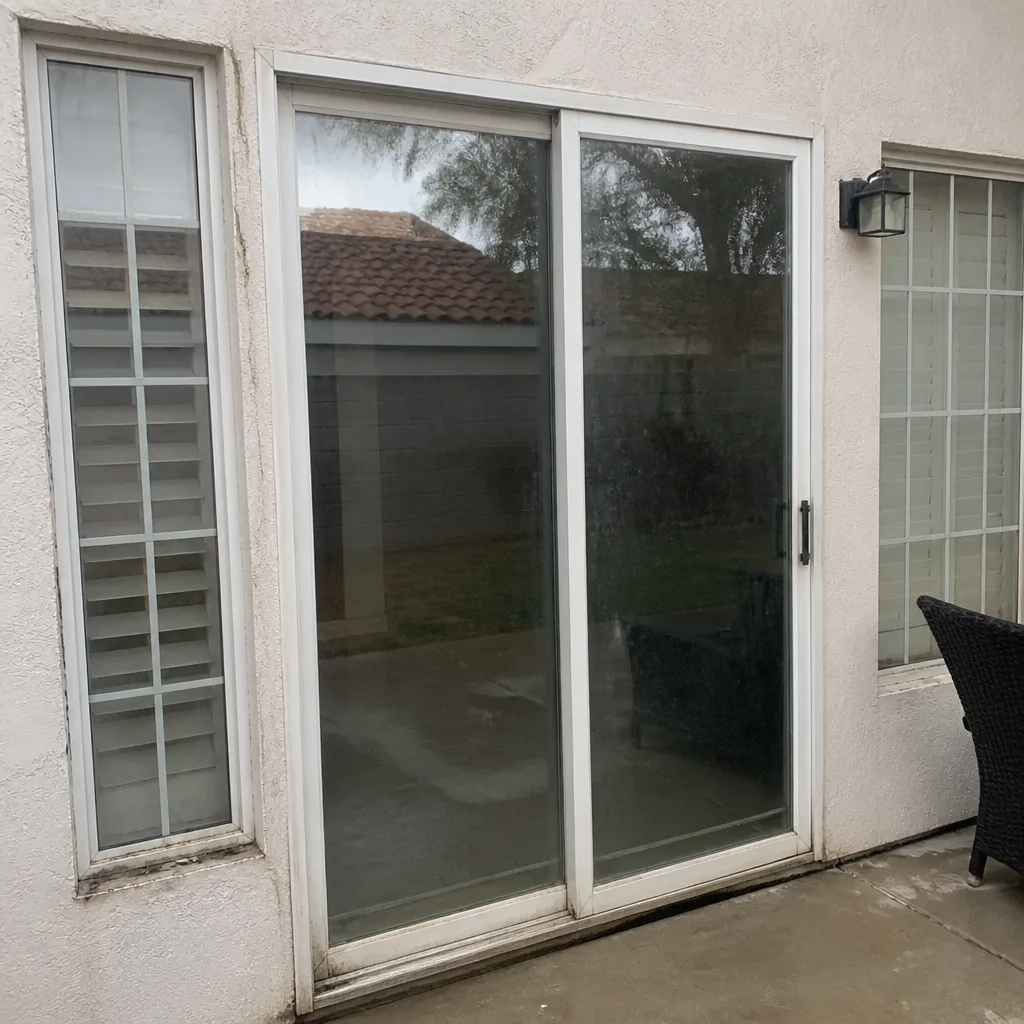 Before
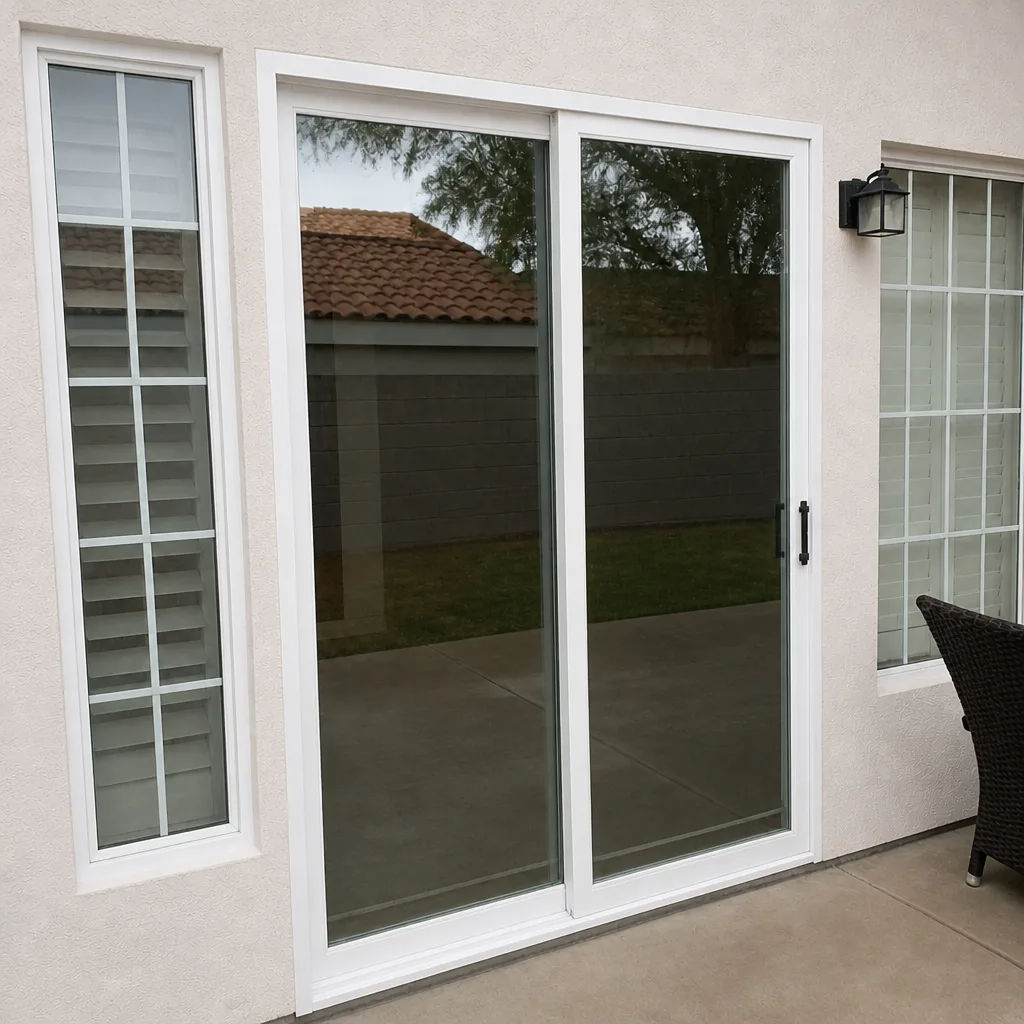 After
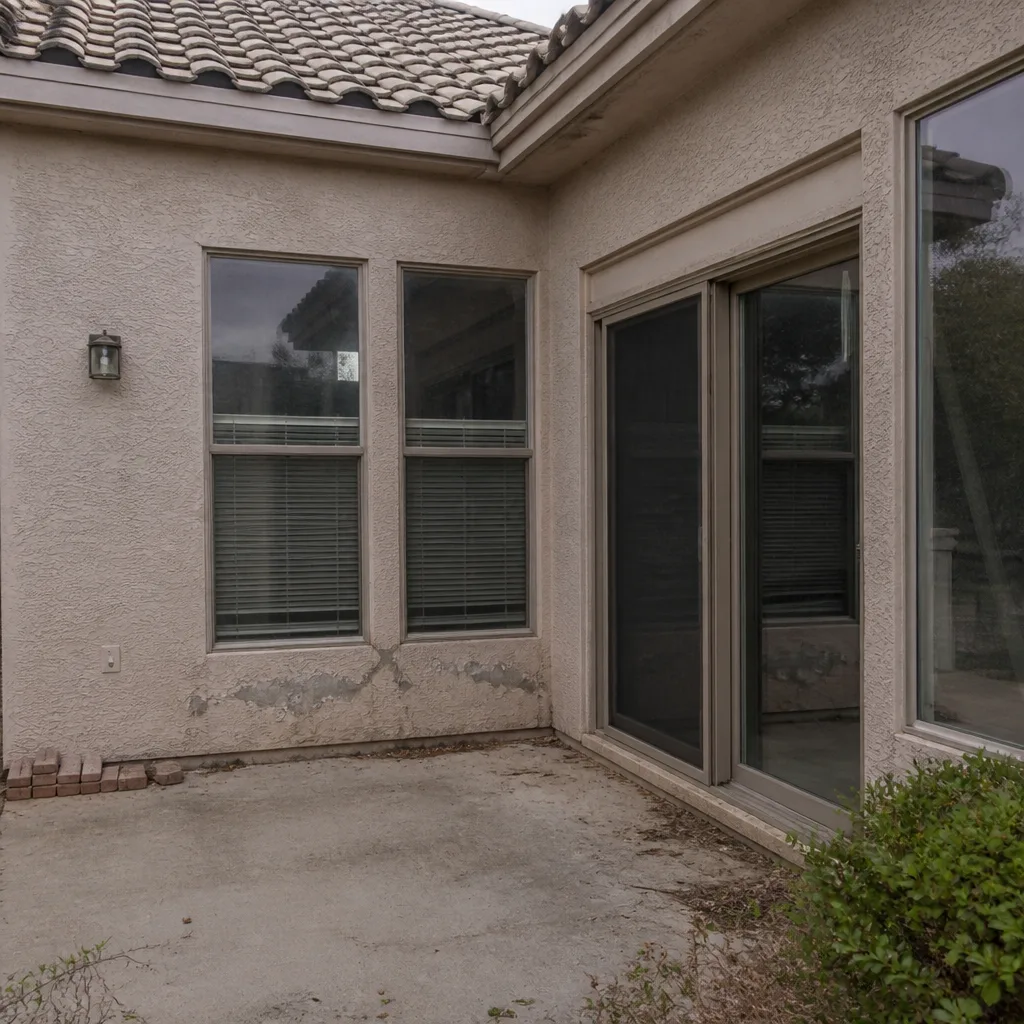 Before
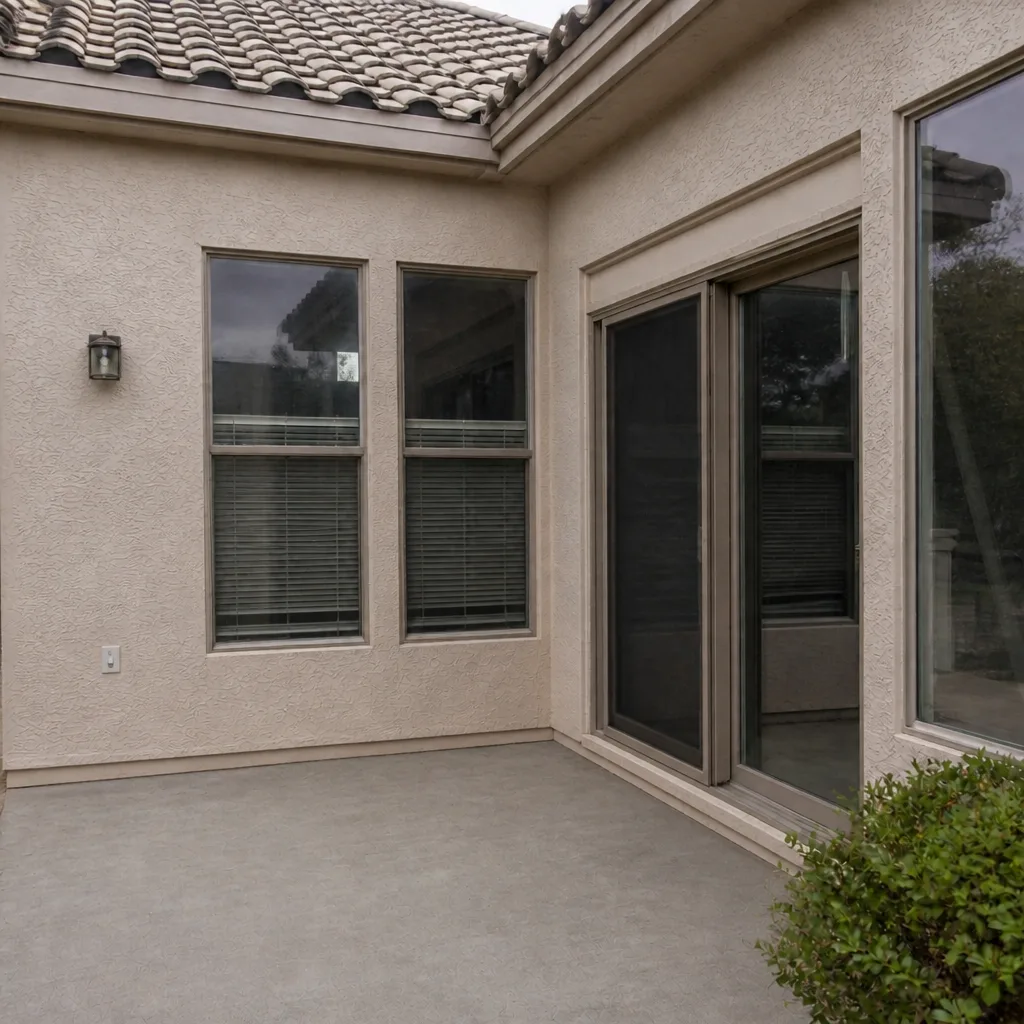 After
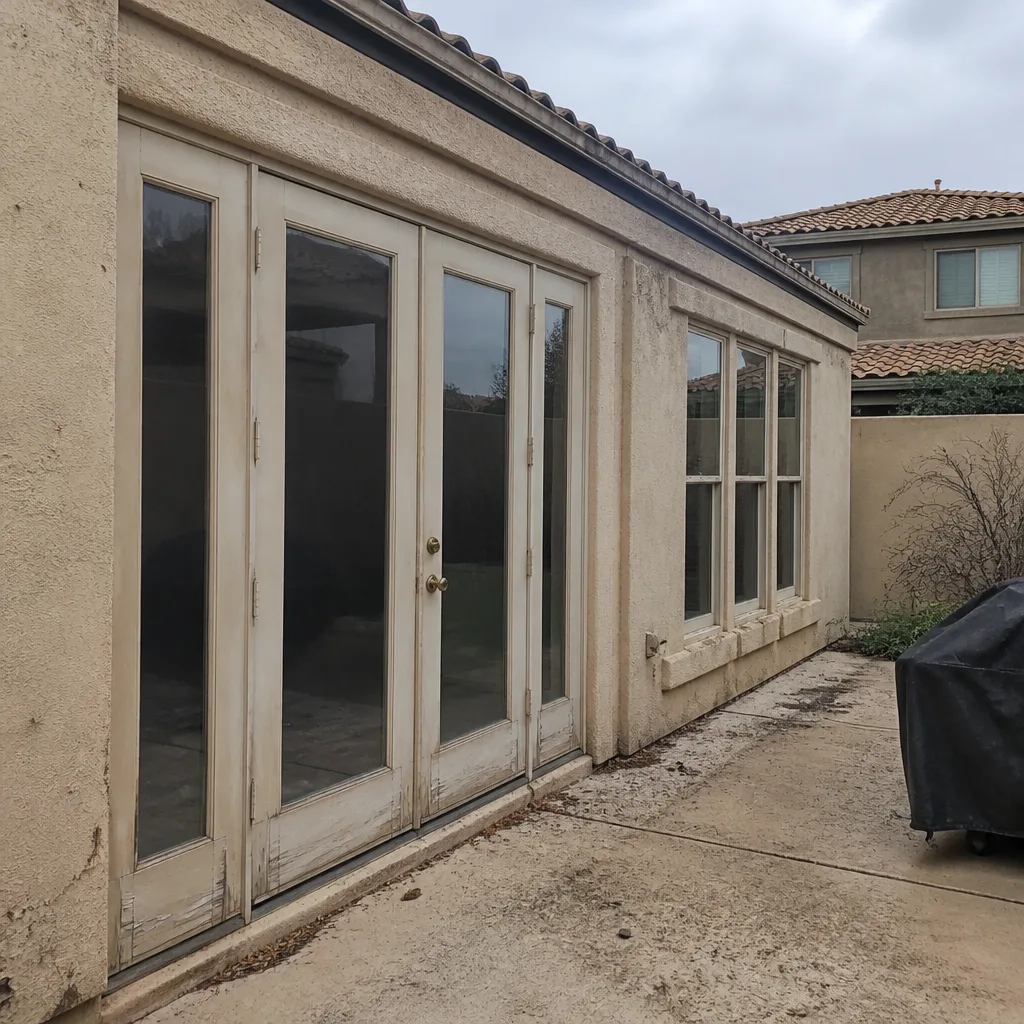 Before
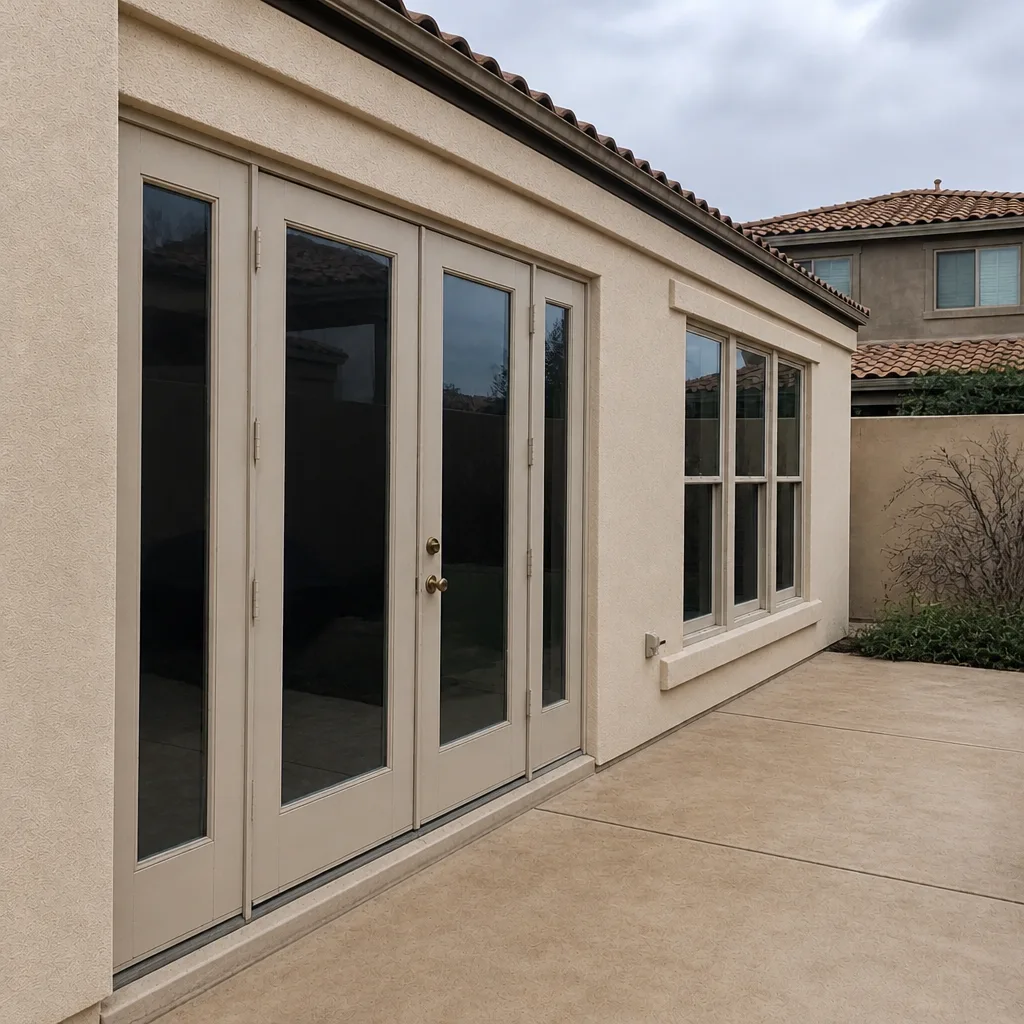 After
When to Call a Professional
Call a professional if you can see any water intrusion around a window, if the interior trim has soft spots or staining, if a sash won’t latch or lock, if multiple windows on the same wall have fogged, or if a stucco crack has returned after a repair. Those are the situations that get worse with time and can turn a small repair into a large one. If you’re simply curious about how old your windows are or whether an IGU swap is possible, a diagnostic visit answers those questions without committing you to anything. Summerlin Windows & Doors offers free estimates in Summerlin – call (844) 797-6754. We answer 24/7. Fast dispatch from 7am to 7pm, Sunday through Friday.
Frequently Asked Questions
Because the insulated glass unit (IGU) has lost its seal, and in Summerlin’s heat that’s almost always a thermal cycling failure rather than a manufacturing defect. Extreme afternoon heat on west- and south-facing glass followed by fast overnight cooling stresses the perimeter seal of the IGU, and once that seal fails, moisture and haze appear between the panes. The frame is often still good, which means an IGU swap can restore the window without replacing it. Call (844) 797-6754 for a free estimate – we’ll tell you whether the seal failure is isolated to the glass or whether the frame has also moved.
No. Fogging between panes means the IGU has failed, not that the whole window needs replacement. If the frame is solid, the sash operates properly, and there’s no draft or water intrusion, replacing just the glass unit is the correct fix. Full replacement becomes the answer when the frame has warped, cracked, or been the source of recurring leaks. The right diagnostic is the one that identifies which layer failed. Call (844) 797-6754 for a free estimate if you want a professional read before committing.
Heat expansion. Vinyl and aluminum frames move slightly as temperature climbs, and in Summerlin that movement is enough to bind sashes that glide freely in cooler months. That’s a maintenance issue most of the time, not a fatal flaw. Cleaning the tracks, adjusting the roller height, and lubricating moving hardware usually resolves it. If the frame itself has bowed – you can see it by comparing sash gaps in the afternoon versus the morning – replacement may be the honest answer. Call (844) 797-6754 for a free estimate if the problem doesn’t respond to adjustment.
Almost never, when they’re diagonal cracks concentrated at a window corner. That pattern points to a failed frame seal, a flashing issue, or normal stucco movement around the opening. Foundation problems show up as broader or stair-step patterns across the wall, not as hairline crack at a single window. If a corner crack returns after a repair, the underlying leak is the cause. Call (844) 797-6754 for a free estimate on the window and flashing.
Both are valid, but the product decision changes depending on which one is driving you. Impact-rated windows protect against wind-borne debris and can also carry strong thermal performance, but the priority in the specification is verified impact performance, and that’s a comparison you should make across manufacturers. Because we work with multiple impact-rated brands including PGT, CGI, and CWS, our job is to help you compare real performance data – not sell you the only line we carry. Call (844) 797-6754 for a free estimate and a brand-by-brand comparison.
Name the symptom by layer. Say whether the issue is fogging between panes (glass unit), a draft at the interior trim (frame-to-wall seal), a sash that binds or drags (hardware or frame movement), or a crack with water staining (flashing). Note which windows are affected and which direction they face. A specific description narrows the scope before the visit. If a contractor hears “fogged windows” and jumps to a whole-house replacement without inspecting the frame and flashing, ask questions. Call (844) 797-6754 and we’ll walk through your description on the phone before scheduling.
The Bottom Line
Most window problems in Summerlin trace back to one of four failures – IGU seal, frame-to-wall seal, hardware, or flashing – and diagnosing which one you have is the single most useful thing you can do before you spend a dollar. Fogging is almost always a seal failure from thermal cycling, not a bad window. Drafts and water intrusion usually point to a frame or flashing failure, and stucco cracks at corners usually confirm it. Repair is often the right answer for a failed IGU or a worn roller; replacement becomes the right answer when the frame itself has moved. If you’re not sure which layer is failing, get a professional diagnosis before you sign anything. That’s the entire point of troubleshooting first.
Summerlin Windows & Doors works on windows and doors only, and we carry eight brands – including PGT, CGI, CWS, ES Windows, ECO Window Systems, Mr-Glass, Therma-Tru, and ViewLux – so you compare performance across product lines rather than accept the one option somebody happens to stock. Our technicians have up to 12 years of experience, and every estimate is free and written line-item. Call (844) 797-6754 to schedule yours. We answer 24/7. Fast dispatch from 7am to 7pm, Sunday through Friday.
Written by the team at Summerlin Windows & Doors.